

What do bees ‘see’ and how does it inform our understanding of vision?

By Adrian Horridge, F.R.S. Bees are familiar to all, and tests to discover what they see can be repeated in any temperate part of the world, requiring little basic science but lots of thought to grasp this anti-intuitive but wonderfully adapted newly described visual system. In advance of World Bee Day on the 20th May,…
Cultures don’t meet, people do: Ethnocentrism and essentialism

By Arjan Verdooren There is a goal that virtually all methods and models of intercultural communication have in common – explicitly or implicitly. This goal is countering ‘ethnocentrism’: the tendency to assume one’s own worldview as normal and natural, and judge others on the basis of this worldview. Ethnocentrism is associated with closed-mindedness, inflexibility and feelings…
TEFL Tourism: Author Interview
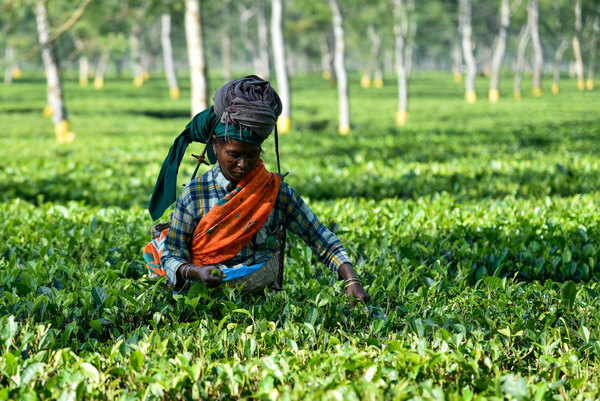
There is evident lineage between the concepts of teaching English as a foreign language (TEFL) and tourism, represented through evocative marketing material, the commoditisation of the TEFL product, teacher motivations and experiences. Yet, to date there has been no recognition of these links within industry or academia. With this in mind, Dr Hayley Stainton has…
Growing agriculture: nutrition community points the way to achieving SDG2 by 2030
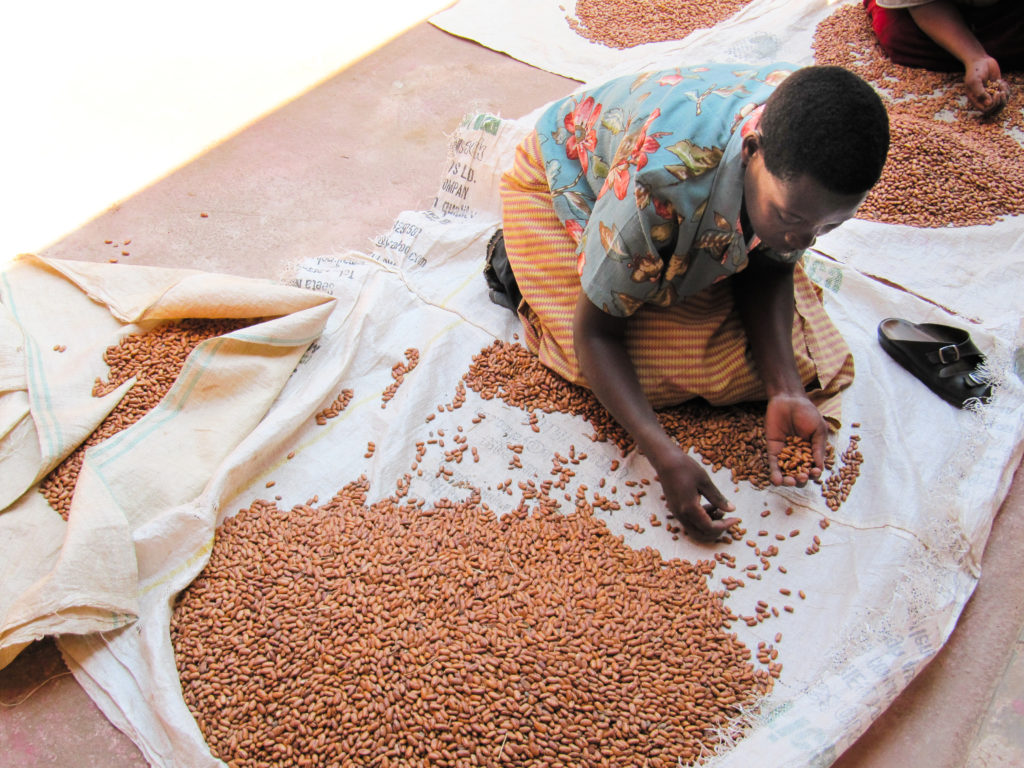
By Shenggen Fan, Sivan Yosef, and Rajul Pandya-Lorch The Sustainable Development Goals (SDGs) have launched a race to transform our world for the better little more than a decade from now. The goals are idealistic, setting a high bar for every aspect of quality of life, from health and education to gender equality and climate…
Tourism and animal welfare: a 21st century dilemma

Tourists encounter animals in many different situations: photo opportunities, street performances, animal rides and specialised ‘sanctuaries’ such as elephant homes and tiger temples. Tourism may benefit wildlife, by funding wildlife animal conservation, as well as providing vital income for local communities, but the exploitation of animals in animal entertainment can be a cruel and degrading experience for intelligent sentient creatures.
There’s a new goal post for agriculture: it’s nutrition
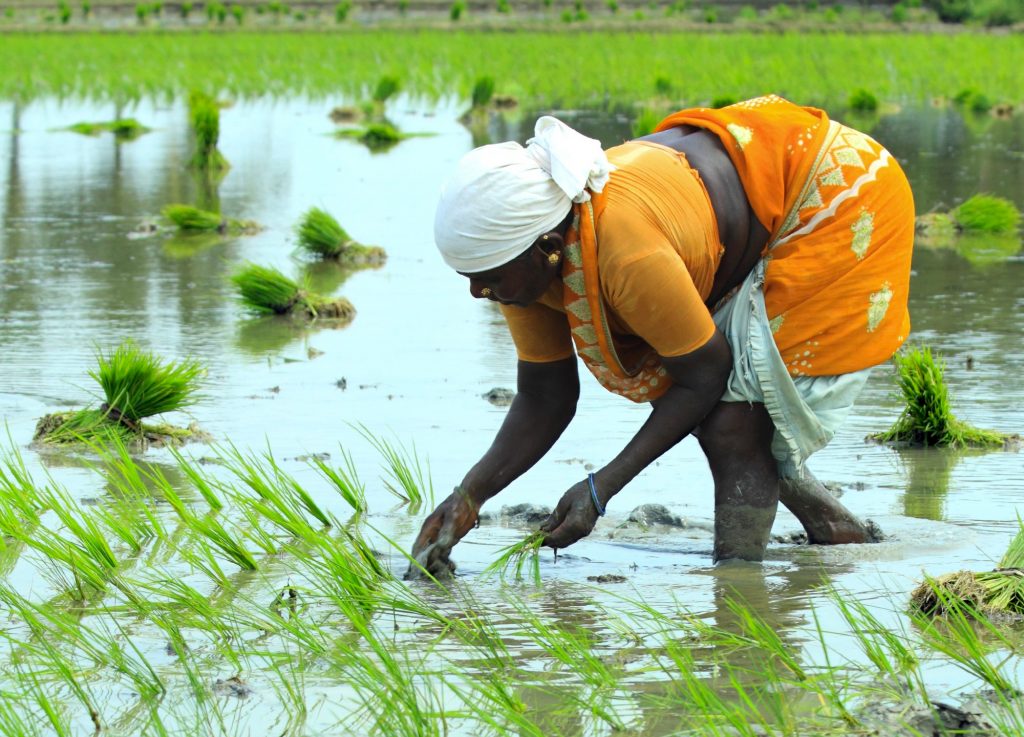
By Shenggen Fan, Sivan Yosef, and Rajul Pandya-Lorch Agriculture is the single most important innovation in human history. Over the course of thousands of years, it has staved off hunger, allowed populations to leave their hunter-gatherer lives behind, and freed up time for other pursuits (like inventing writing and the wheel!) that have propelled societies…
Safer food through Aflatoxin control in Pakistan
Aflatoxins are a group of toxins produced by certain fungi found in crops such as maize, peanuts, cottonseed and tree nuts. The fungi responsible, Aspergillus flavus, can contaminate crops before and after harvest as well as contaminate animal products if infected feeds are given to livestock. Consumption of these toxins in high concentrations can contribute…
Africa Soil Health Consortium builds NARO’s capacity in communication material development
Authored by: Abigael Mchana, Communication Officer, CABI Kenya Developing fit-for-purpose, interactive and effective communication materials for farmers and their intermediaries is not an easy task. You cannot create a poster with generic text or images and then distribute it to your audience en-masse. It requires an in-depth analysis of your primary stakeholder, an understanding of…
Developing a sustainable bamboo industry
By Zhu Zhaohua, formerly Chinese Academy of Forestry, China and Jin Wei, International Bamboo and Rattan Organization Bamboo is a fast-growing, renewable, non-timber and non-herbal plant. It has high biomass productivity, CO2 absorption and sequestration capacities, and high soil and water conservation capacity. In the lengthy history of its utilisation, its contributions to human beings…
The impact of invasive species on human health

By Giuseppe Mazza and Elena Tricarico, Università degli Studi di Firenze, Italy Invasive species are becoming a popular topic in newspapers: when articles appear, they mainly report the damages invasive species can cause to our ecosystems (e.g. reduction or disappearance of native species as well as habitat modification) or to our economic activities: fishing or…
- « Previous
- 1
- 2
- 3