

A stocktaking exercise explores which CGIAR innovations have been adopted and scaled up in Kenya’s agri-food system
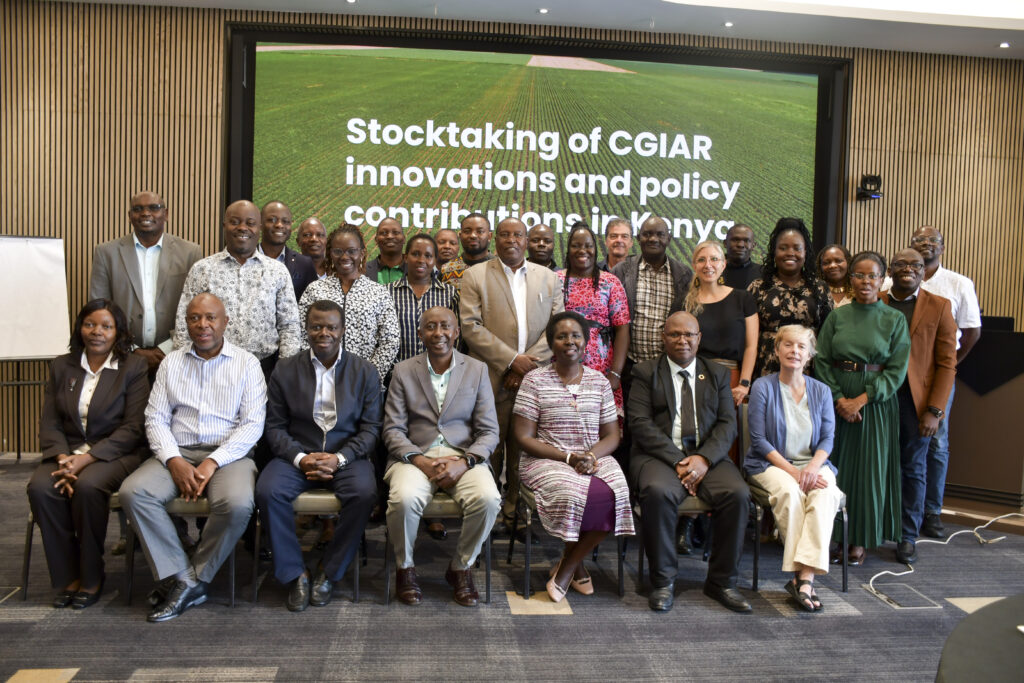
Kenya has repeatedly put agriculture at the heart of its future. It did so in Kenya Vision 2030, again in the Agricultural Sector Transformation and Growth Strategy (ASTGS), and once more in the Bottom-Up Economic Transformation Agenda (BETA). This year also saw the launch of the National Agri-food Systems Investment Plan (NASIP) 2026-2030, the second…
Adaptive agriculture “information factories” to help farmers and value chains navigate climate and market change
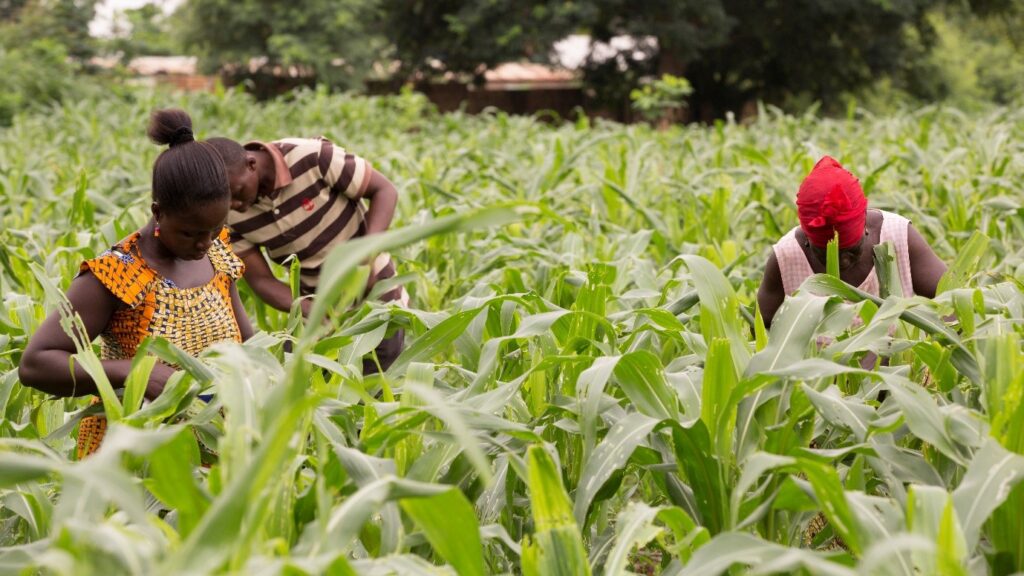
For millions of smallholder farmers, uncertainty has become part of everyday life. Will this crop hold its value when harvest comes? What price will buyers be willing to pay? Will the rain be as erratic as it was last year? Is this the year that pests and diseases decimate my crop? As climate change reshapes…
Climate change is weakening nature’s pest controllers
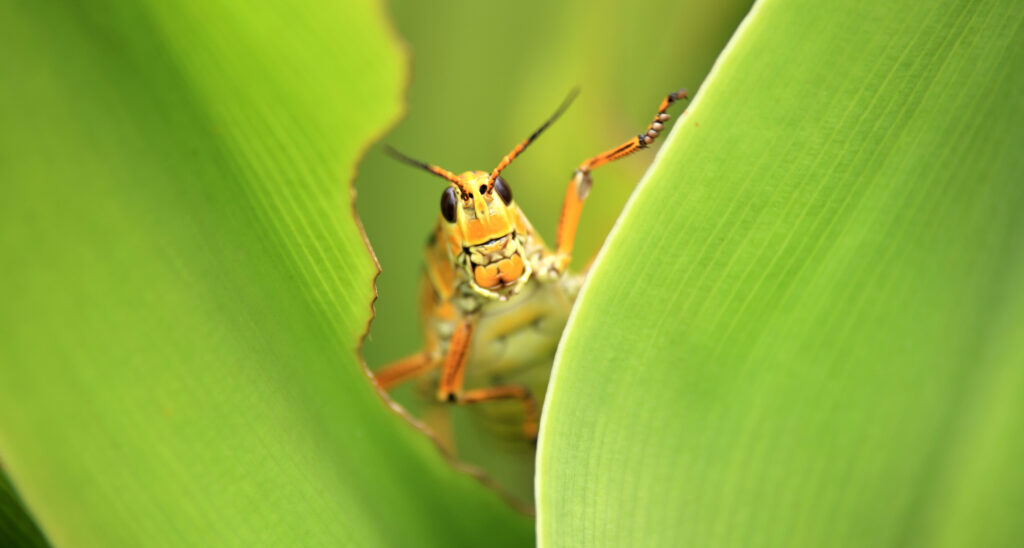
Every year, crop-feeding pests destroy roughly a fifth of the world's food crops. New research published this year is warning that climate change could make matters worse by impacting the insects that keep those pests in check.
How ASEAN countries work together to strengthen plant health and protect agriculture
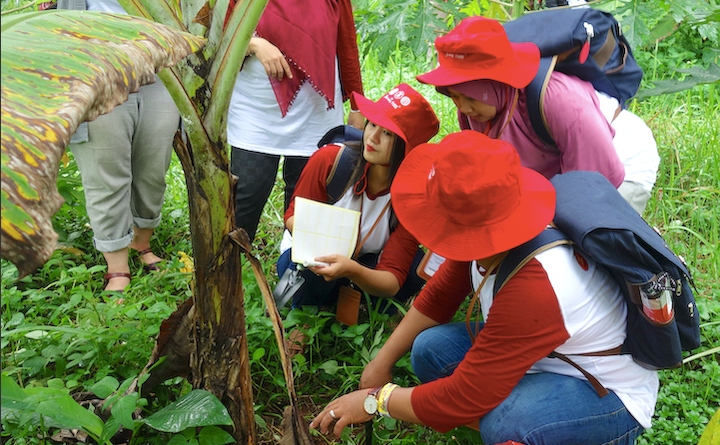
Regional collaboration across Southeast Asia is vital to manage biosecurity risks. Discover how networks like ASEANET and ARDN help countries strengthen plant health, share diagnostic expertise, and protect agricultural trade.
Beneficial insects released against mango mealybug establish in Burundi orchards
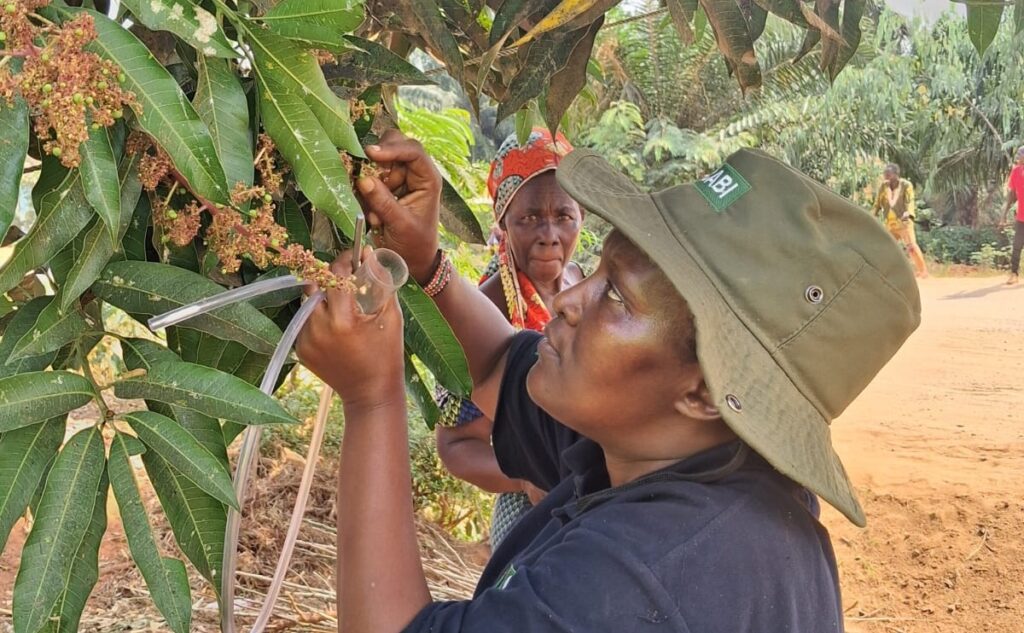
Field monitoring in Burundi confirms that mass-released parasitoids are successfully establishing in mango orchards, providing long-term biological control against the invasive mango mealybug and helping farmers secure healthier harvests.
Strengthening sustainable agriculture across Southeast Asia through science, partnerships and innovation
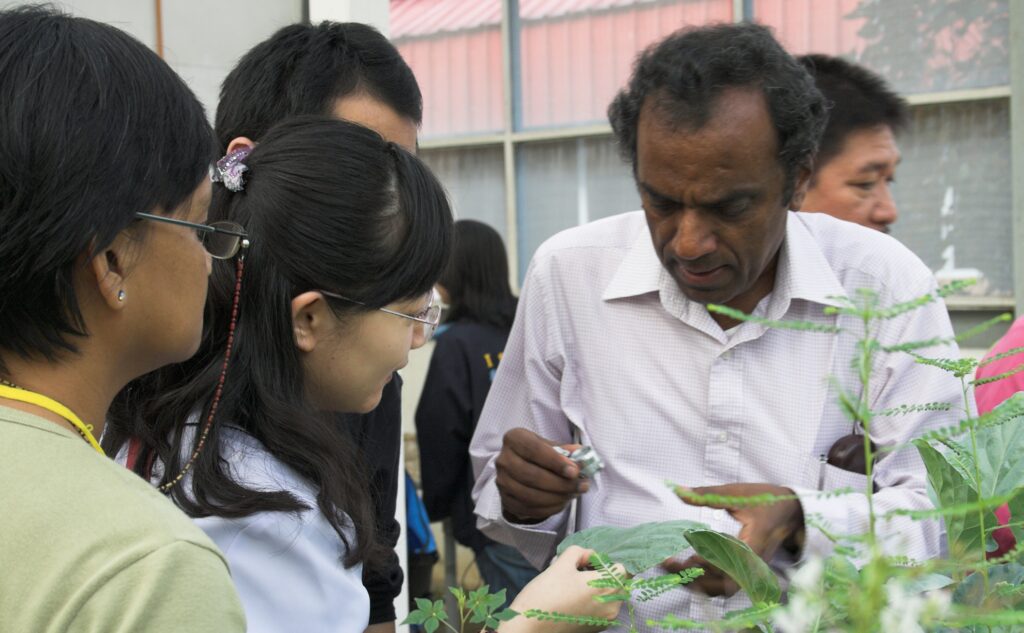
CABI is strengthening agriculture across Southeast Asia through science, partnerships and innovation to build more resilient and sustainable food systems.
Local action to national impact: Pakistan’s emerging community-led conservation story
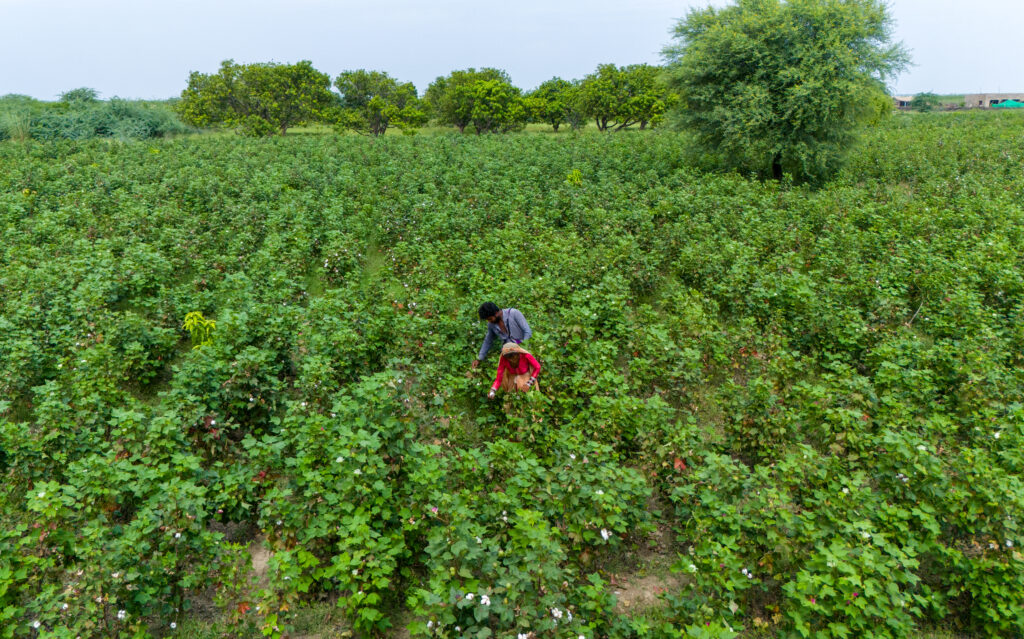
Pakistan is exploring new ways to protect biodiversity beyond traditional protected areas, with local communities playing a vital role. Through sustainable land management and collaborative conservation efforts, these initiatives highlight the potential of Other Effective Area-Based Conservation Measures (OECMs) to safeguard ecosystems, strengthen climate resilience, and support livelihoods across the country.
Vietnam to advance biocontrol collaboration with experts from CABI and China to promote sustainable agriculture
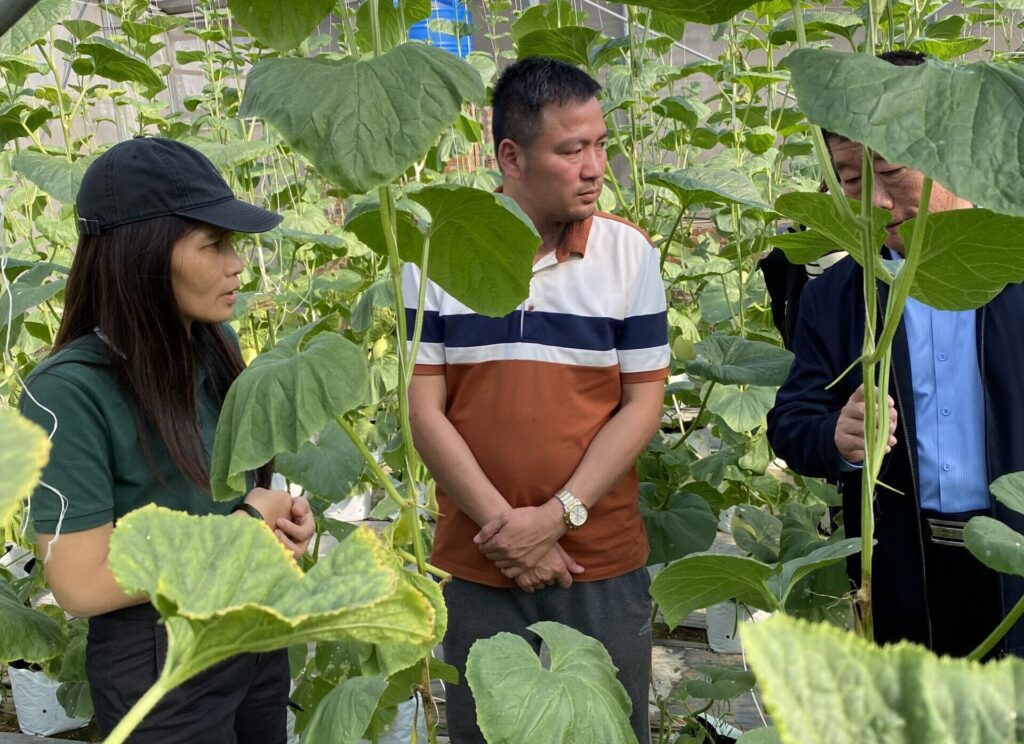
CABI is supporting Vietnam to advance biocontrol by taking an important step towards greener, safer and more sustainable agriculture
CABI Landscapes Initiative reports major progress across Eastern Africa
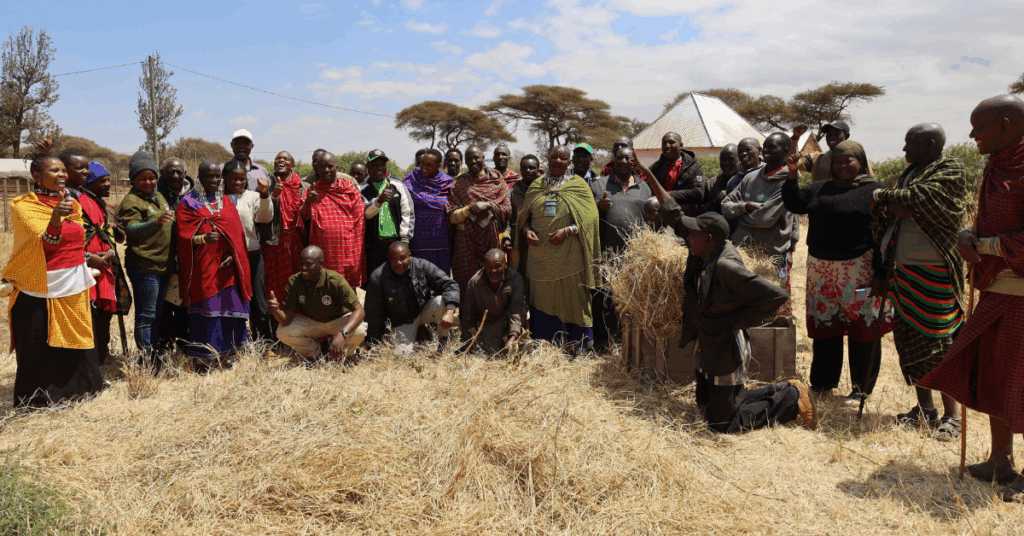
CABI’s Landscapes Initiative is making major strides in Eastern Africa, restoring degraded ecosystems, managing invasive species, and promoting community-led solutions through Integrated Landscape Management.
Biodiversity loss: How can we reclaim our landscapes from threats to biodiversity?
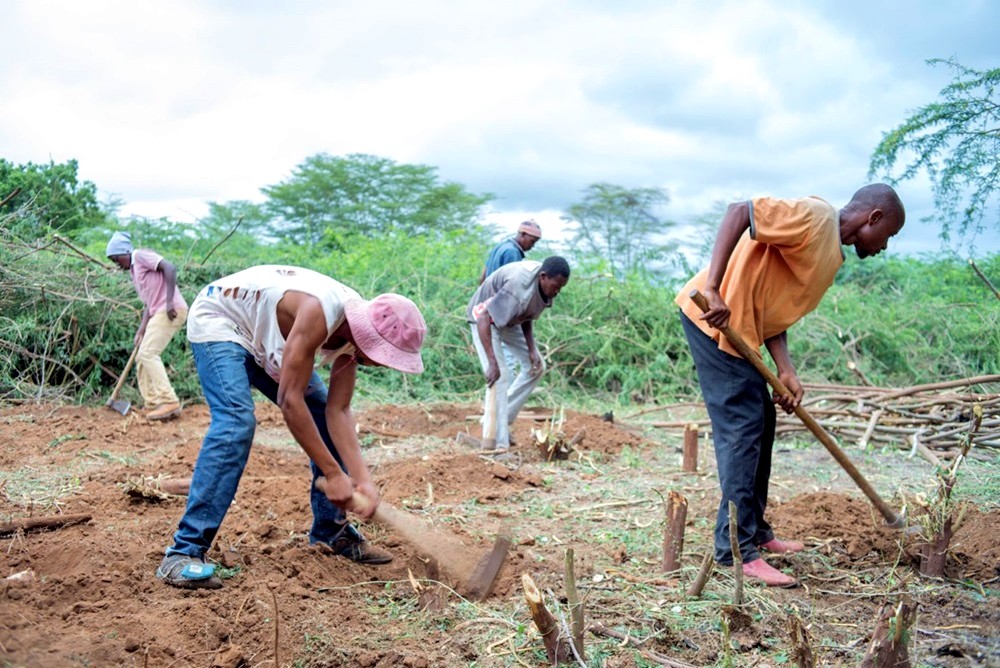
On 22nd May, we mark the International Day for Biological Diversity. In this article, CABI’s Global Director for Invasive Species Dr Hariet Hinz looks at how we can reclaim our landscapes from threats to biodiversity. Biodiversity loss is proceeding at an unprecedented pace. It jeopardizes the stability of natural ecosystems and increases vulnerability to climate…