

Pest management in Ecuador: How farmer knowledge and access to alternatives can reduce pesticide risks
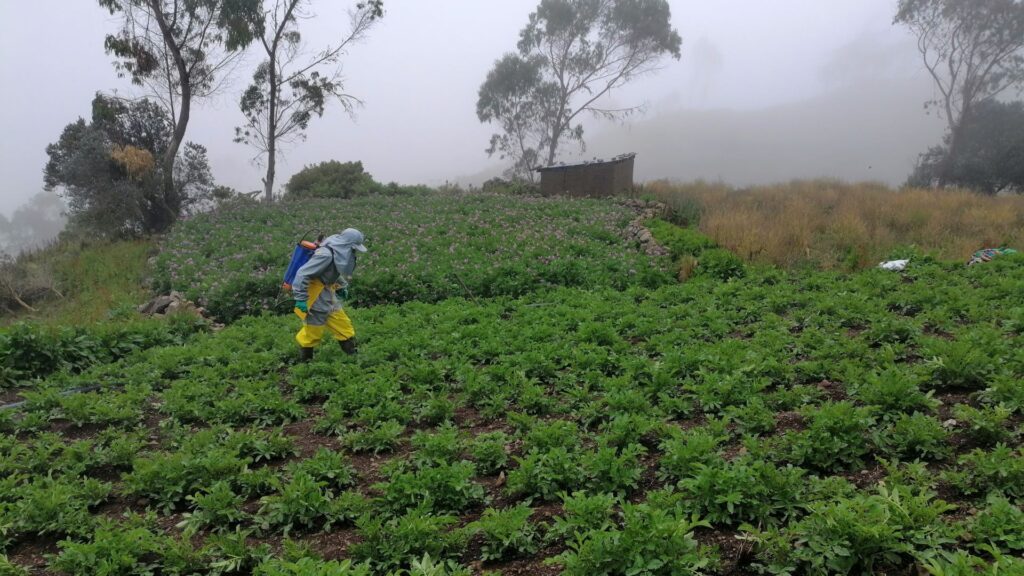
Pest management in Ecuador and overreliance on chemical pesticides raise serious concerns for environmental sustainability and public health. Discover how farmer knowledge and access to alternatives can reduce pesticide risks in the country.
How crop-livestock clinics help strengthen One Health partnerships in Uganda
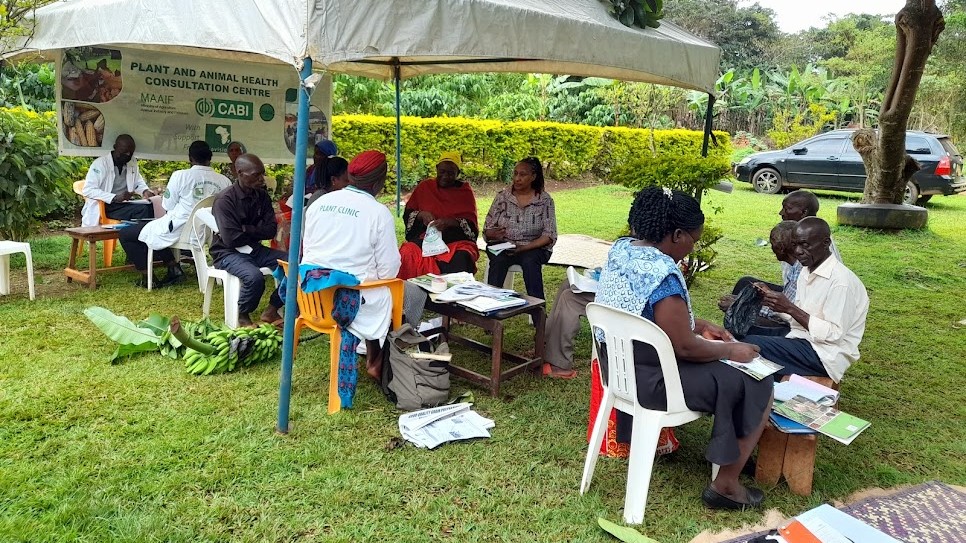
Joint crop-livestock clinics in Uganda are bringing agricultural, veterinary and other specialists together to improve farmer support, strengthen cross-sector partnerships and promote a practical One Health approach.
Crop loss: What do maize losses really mean for women farmers?
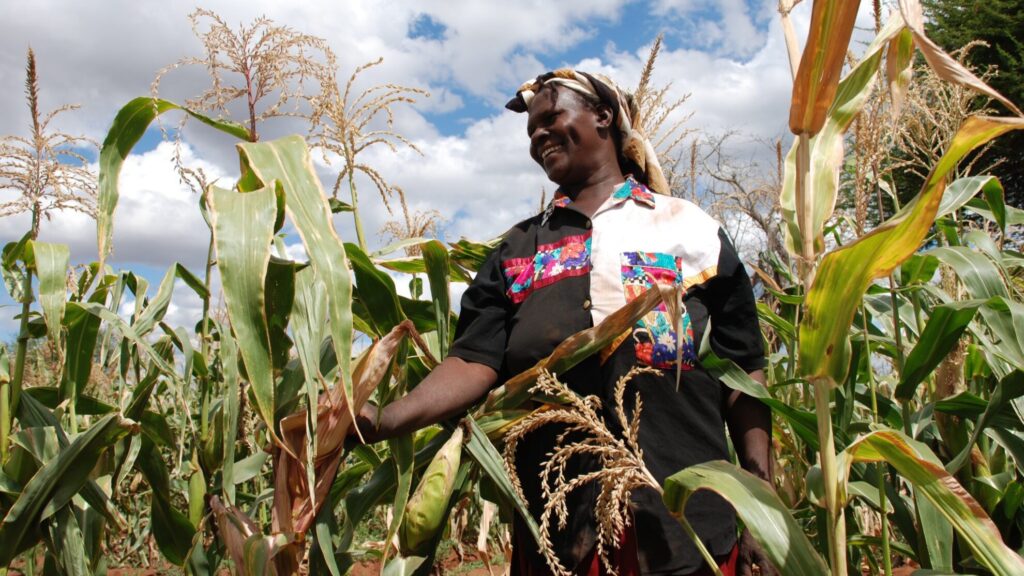
Crop loss can have devastating impacts on rural communities. The Global Burden of Crop Loss recently published a study on maize crop losses in Kenya to explore their age- and gender-differentiated impacts on maize farming communities across different agroecological zones.
Climate change is weakening nature’s pest controllers
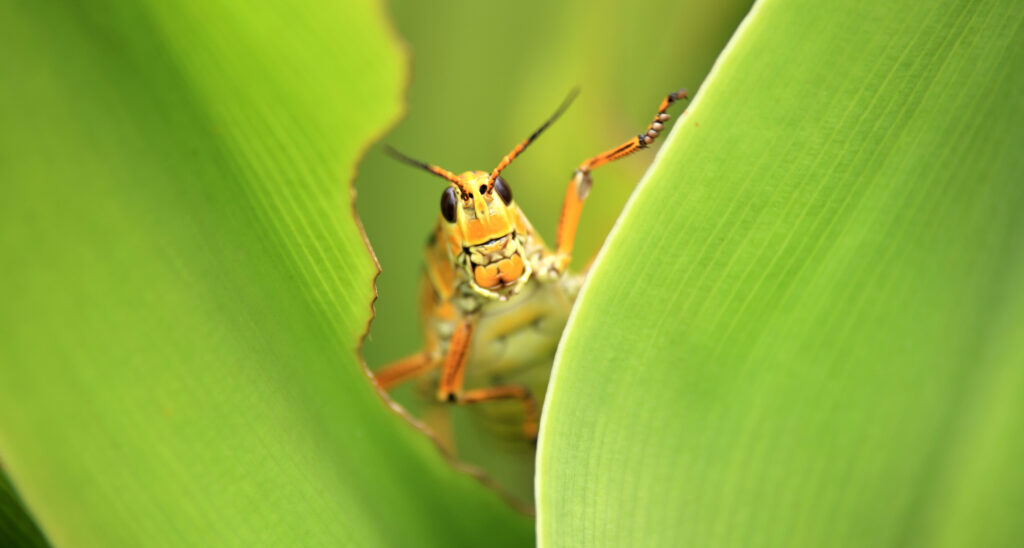
Every year, crop-feeding pests destroy roughly a fifth of the world's food crops. New research published this year is warning that climate change could make matters worse by impacting the insects that keep those pests in check.
How ASEAN countries work together to strengthen plant health and protect agriculture
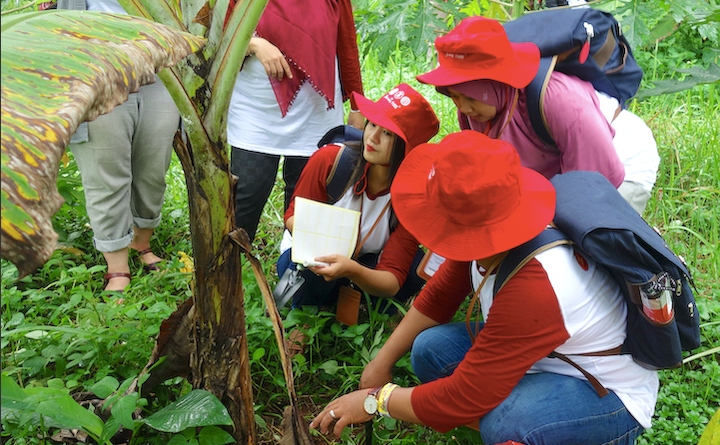
Regional collaboration across Southeast Asia is vital to manage biosecurity risks. Discover how networks like ASEANET and ARDN help countries strengthen plant health, share diagnostic expertise, and protect agricultural trade.
Advancing bioinputs through knowledge and partnerships in Latin America
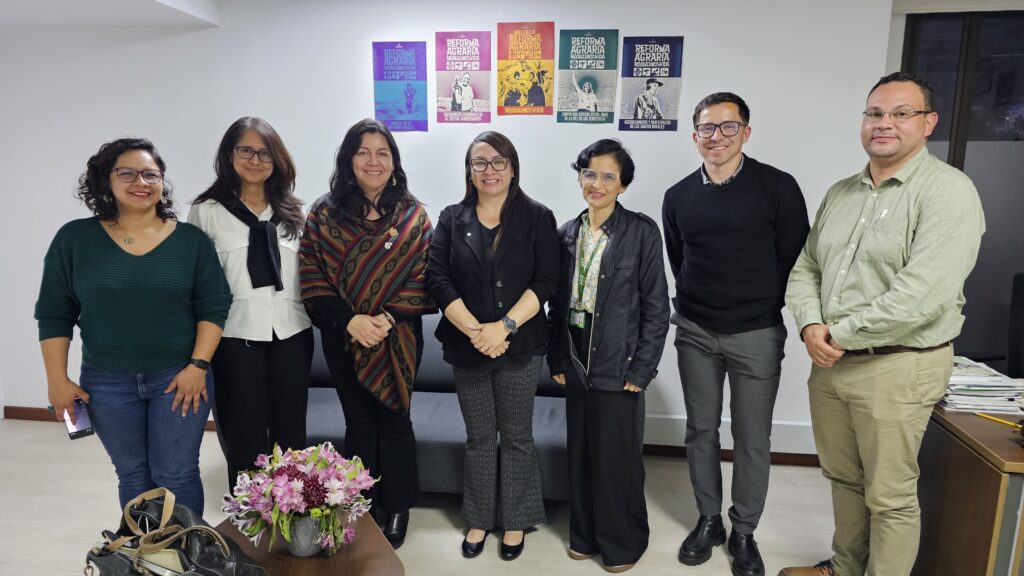
Colombia is strengthening the use of bioinputs through research, policy support and regional collaboration. From biological control of coffee berry borer to improving access to reliable information, the country offers valuable lessons for advancing sustainable agriculture across Latin America.
Beneficial insects released against mango mealybug establish in Burundi orchards
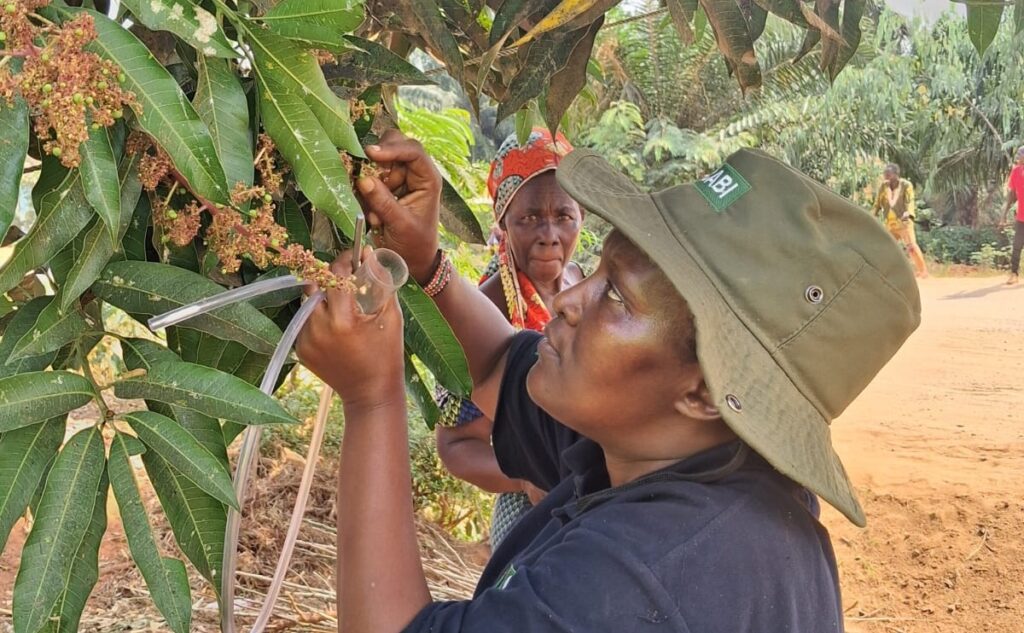
Field monitoring in Burundi confirms that mass-released parasitoids are successfully establishing in mango orchards, providing long-term biological control against the invasive mango mealybug and helping farmers secure healthier harvests.
Strengthening sustainable agriculture across Southeast Asia through science, partnerships and innovation
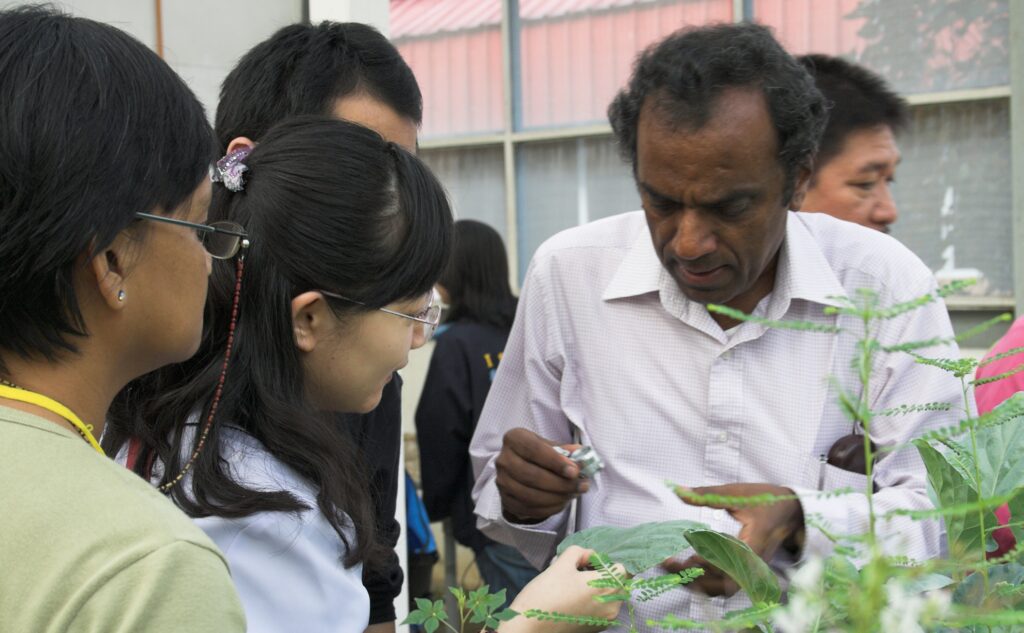
CABI is strengthening agriculture across Southeast Asia through science, partnerships and innovation to build more resilient and sustainable food systems.
How CABI helped Zambia revive maize seed exports and strengthen plant health systems
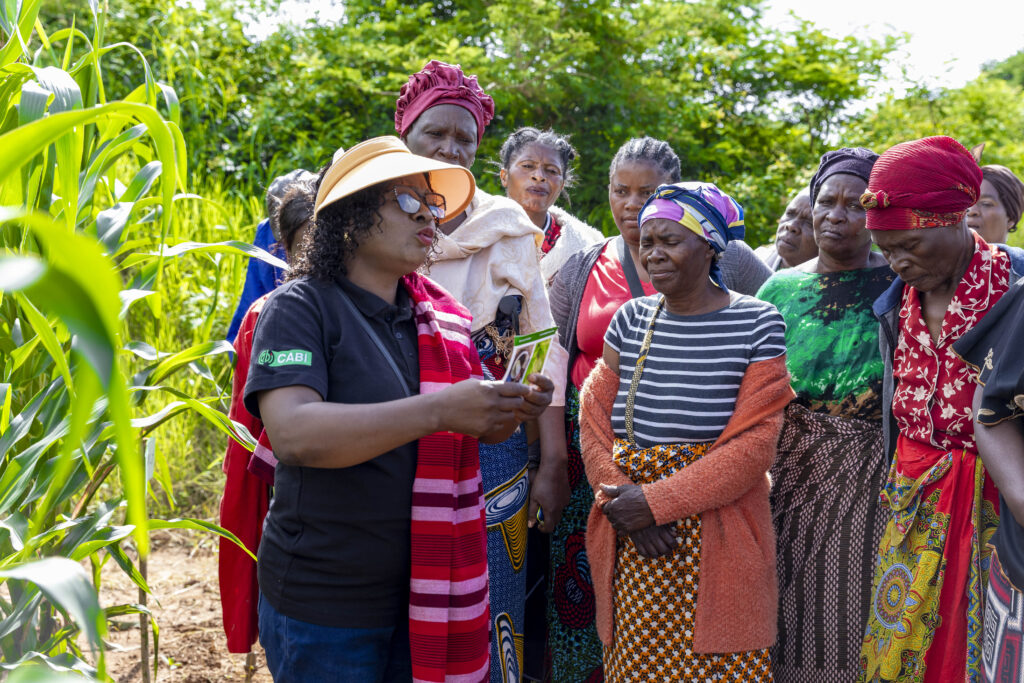
Zambia’s maize seed trade faced crisis in 2020 when shipments were rejected over phytosanitary concerns, risking millions and reputation. With CABI’s rapid scientific support, the country restored trade, strengthened plant health systems, and built resilience. The case highlights how collaboration, evidence, and swift response can safeguard markets and livelihoods sustainably.
Regional knowledge exchange advances pesticide risk reduction in Ethiopia
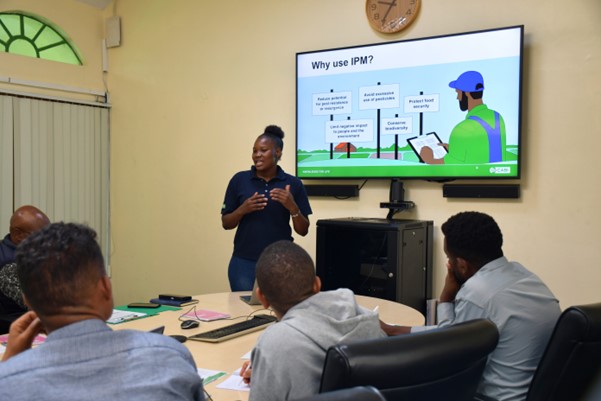
Across Ethiopia, smallholder farmers continue to face growing pressure from pests that threaten horticulture production, incomes, and food security. In response, many rely heavily on chemical pesticides, sometimes as the only available option. How do we shift from short-term pest control to long-term resilience? Increasingly, the solution lies in pesticide risk reduction approaches like Integrated…