

The Science of Communicating Science: The Ultimate Guide, by Dr Craig Cormick

By Rachel Winks, CABI The Science of Communicating Science: The Ultimate Guide by Dr Craig Cormick, published this month jointly by CABI and CSIRO, is a book that helps to solve a major problem that many scientists face at some point in their career: how do I communicate my work to society? How do I…
The history of cultivating citrus
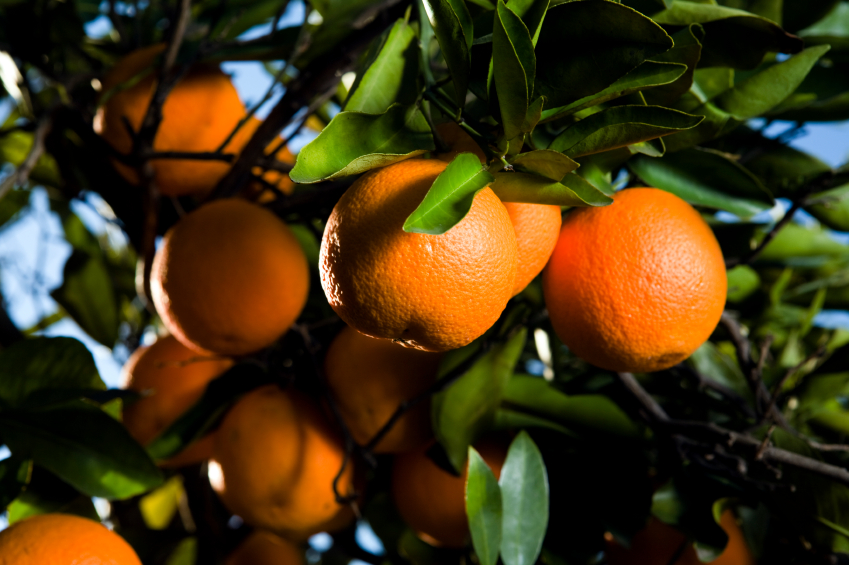
By L Gene Albrigo Citrus is one of the most important exported fruit crops. Large plantings in countries bordering latitudes 20 south and north and in-between provide fresh and processed citrus for the more populated northern European and American countries as well as other large populations around the world. Citrus has also been a cultivated…
The Anthropocene is official – but what does this mean for the future health of planet Earth?

The recent vote by the Anthropocene Working Group (AWG) of the International Commission on Stratigraphy, formally considers the Anthropocene a distinct time period in the geological record.
Truly international expertise on tomato production

By Rachael Russell Ep Heuvelink’s Tomatoes is part of CABI’s Crop Production Science in Horticulture series. First published in 2005, it became an essential resource for growers, extension workers, industry personnel, and horticulture students and lecturers. Since then, our knowledge on tomato has greatly increased; tens of thousands of scientific papers have been published and…
What do bees ‘see’ and how does it inform our understanding of vision?

By Adrian Horridge, F.R.S. Bees are familiar to all, and tests to discover what they see can be repeated in any temperate part of the world, requiring little basic science but lots of thought to grasp this anti-intuitive but wonderfully adapted newly described visual system. In advance of World Bee Day on the 20th May,…
Cultures don’t meet, people do: Ethnocentrism and essentialism

By Arjan Verdooren There is a goal that virtually all methods and models of intercultural communication have in common – explicitly or implicitly. This goal is countering ‘ethnocentrism’: the tendency to assume one’s own worldview as normal and natural, and judge others on the basis of this worldview. Ethnocentrism is associated with closed-mindedness, inflexibility and feelings…
TEFL Tourism: Author Interview
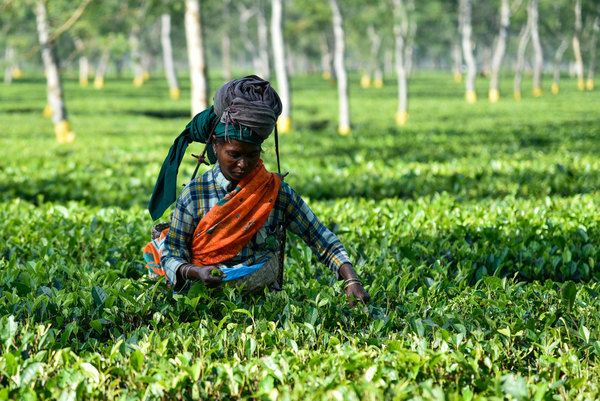
There is evident lineage between the concepts of teaching English as a foreign language (TEFL) and tourism, represented through evocative marketing material, the commoditisation of the TEFL product, teacher motivations and experiences. Yet, to date there has been no recognition of these links within industry or academia. With this in mind, Dr Hayley Stainton has…
Growing agriculture: nutrition community points the way to achieving SDG2 by 2030
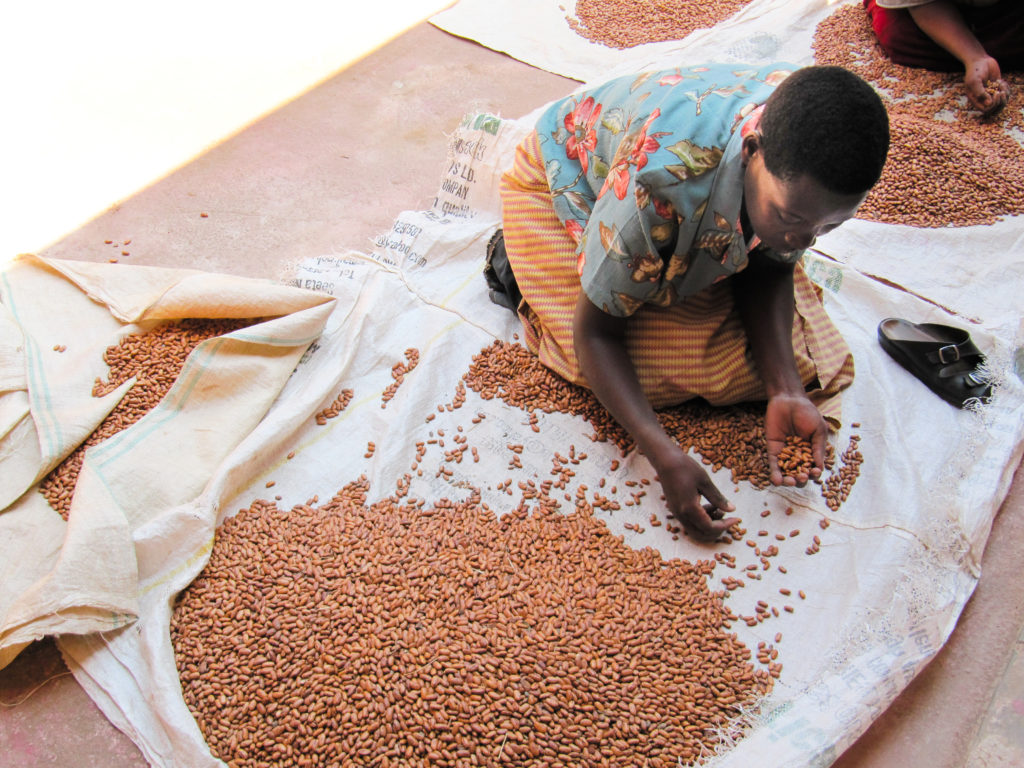
By Shenggen Fan, Sivan Yosef, and Rajul Pandya-Lorch The Sustainable Development Goals (SDGs) have launched a race to transform our world for the better little more than a decade from now. The goals are idealistic, setting a high bar for every aspect of quality of life, from health and education to gender equality and climate…
Tourism and animal welfare: a 21st century dilemma

Tourists encounter animals in many different situations: photo opportunities, street performances, animal rides and specialised ‘sanctuaries’ such as elephant homes and tiger temples. Tourism may benefit wildlife, by funding wildlife animal conservation, as well as providing vital income for local communities, but the exploitation of animals in animal entertainment can be a cruel and degrading experience for intelligent sentient creatures.
There’s a new goal post for agriculture: it’s nutrition
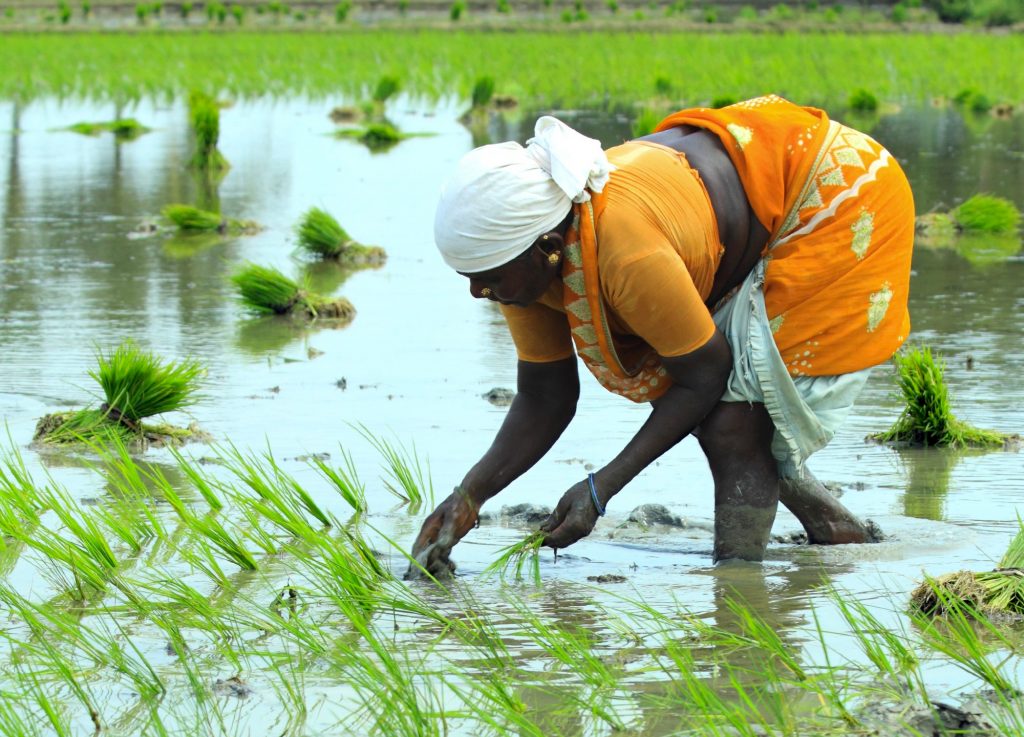
By Shenggen Fan, Sivan Yosef, and Rajul Pandya-Lorch Agriculture is the single most important innovation in human history. Over the course of thousands of years, it has staved off hunger, allowed populations to leave their hunter-gatherer lives behind, and freed up time for other pursuits (like inventing writing and the wheel!) that have propelled societies…
- « Previous
- 1
- 2
- 3
- Next »