

Scientists release new allies in the battle against invasive yellow toadflax in the Rocky Mountains

A team of international scientists are collaborating to fight the noxious weed yellow toadflax (Linaria vulgaris) in Montana’s world-famous Rocky Mountains with the help of a tiny insect – the shoot-galling weevil Rhinusa pilosa. Yellow toadflax, first introduced from Wales in the late 1600s as an ornamental and medicinal plant and to make textile dyes,…
Engendering a more profitable cotton industry for Pakistan through female empowerment

CABI is helping to engender a more productive and profitable cotton industry for Pakistan through the training of more than 57,000 farmers and farm workers – including these women picture above – as part of the Better Cotton Initiative. The Pak Mission Society teamed up with CABI in the Tehsil Khipro, District Sanghar of Sindh…
The Anthropocene is official – but what does this mean for the future health of planet Earth?
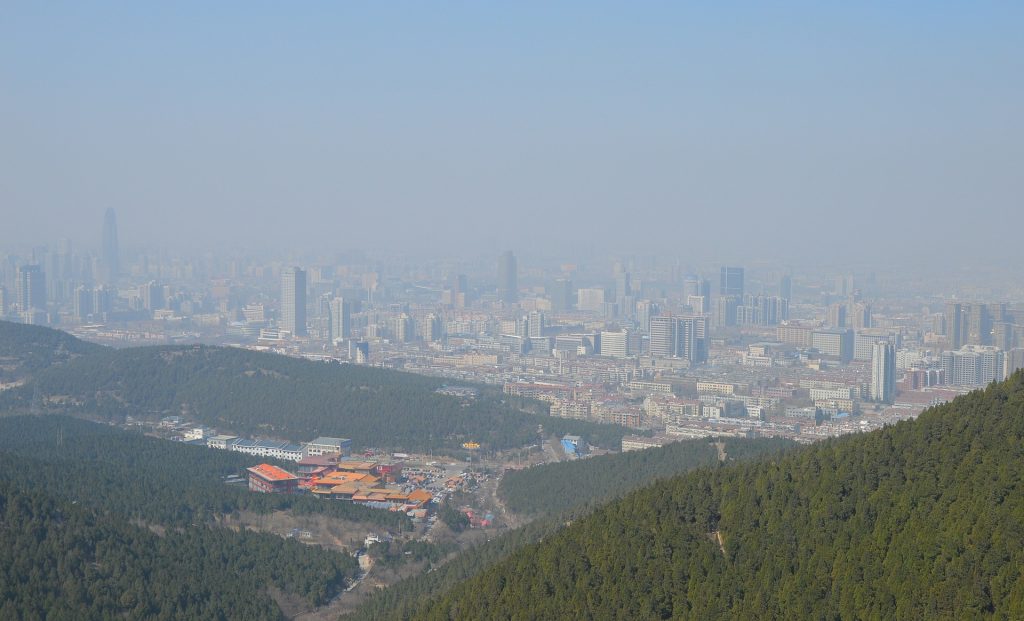
The recent vote by the Anthropocene Working Group (AWG) of the International Commission on Stratigraphy, formally considers the Anthropocene a distinct time period in the geological record.
Climate-smart pest management holds the key to future global food security
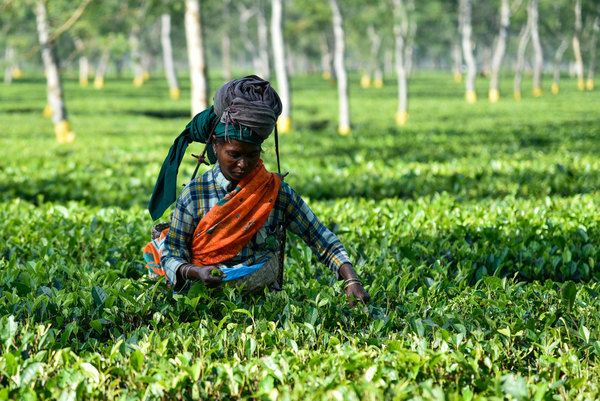
CABI scientists Luca Heeb, Dr Emma Jenner and Dr Matthew Cock, have issued a stark reminder to the world – we must embrace climate-smart pest management (CSPM) if we are to ensure the food security of a global population predicted to reach 10 billion by 2050. In the paper ‘Climate-smart pest management: building resilience of…
Guest blog: ‘Keeping in mind the real use of our research’
In this guest blog, Dr Haseeb Md. Irfanullah discusses the findings of a recent workshop he was a rapporteur of in Bangladesh on the potential impact on policy and practice of agricultural research in the country. A research system is basically made up of four components: accessing, conducting, communicating, and utilizing research. While we often…
Photo focus on fighting invasive plants on Socotra Natural World Heritage site
In this photo special we turn the spotlight on members of the community in the Socotra Archipelago, Yemen – including Bushera Ahmed Abdulla pictured above – who are working together with invasive species experts from CABI to help rid the region of devastating Invasive Alien Species (IAS) including common pest pear Opuntia stricta and prosopis. Dr Arne Witt, CABI’s…
IOBC workshop focuses on the latest research in the biological control of invasive weeds
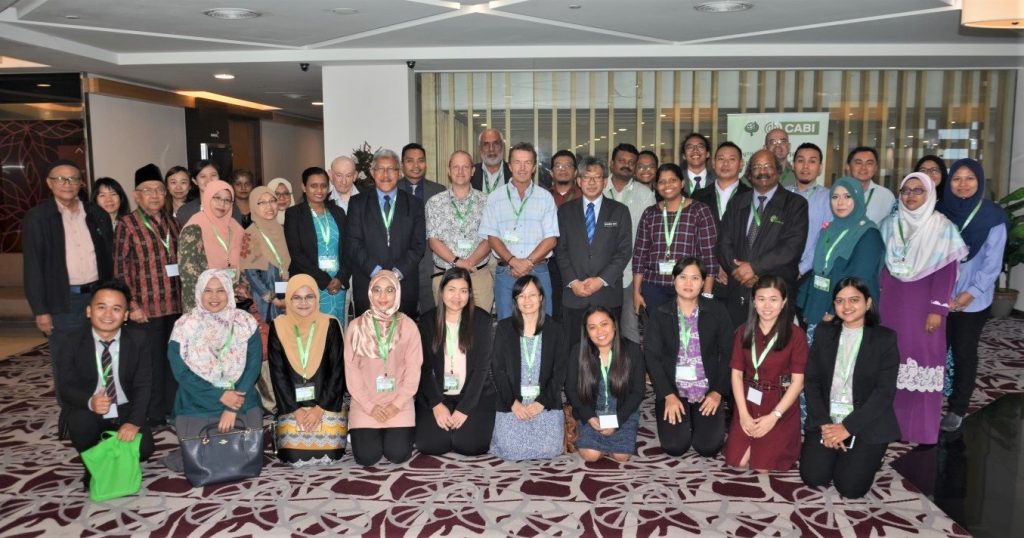
By Chan Hong Twu, scientist at CABI Southeast Asia in Selangor, Malaysia CABI Southeast Asia was proud to host the 9th International Workshop on Biological Control and Management of Eupatorieae and other Invasive Weeds where the very latest research on invasive weeds and their biological control agents were shared amongst delegates from 13 countries including…
Phytosanitary Risk Management team share expertise at ESCON 2019
An entomologist from CABI’s Phytosanitary Risk Management (PRMP) team has participated in the International Conference on Environmental Toxicology and Health (ESCON 2019) held in Islamabad, Pakistan. Muzammil Farooq, representing the PRMP team, participated in the event – organized by the Department of Environmental Sciences, COMSATS University (CUI), Vehari campus – by giving a presentation entitled…
Why a global insect decline affects us all
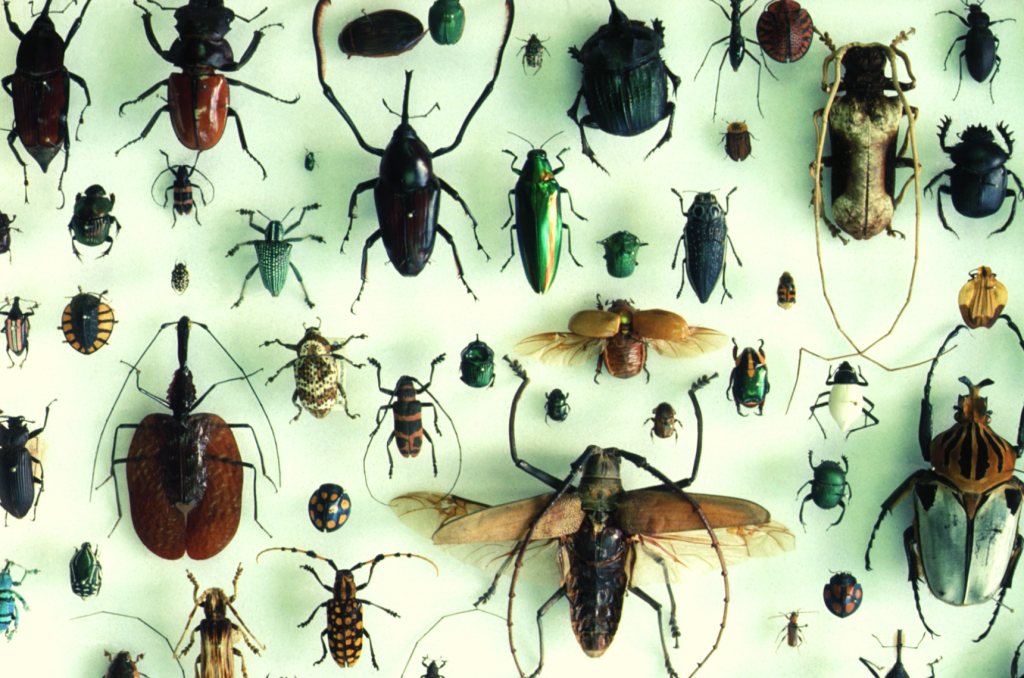
Insects crucial for ecosystem functioning and food production A comprehensive review of insect declines around the world gives a stark picture of the scale of the declines and the consequences both for ecology and human welfare. The paper, published in Biological Conservation, warns that 40% of the world’s insect species could become extinct within a few…
Can a ‘diet’ of digital data really help feed the world?
Last week (29 January 2019) CABI was awarded a $1.49 million grant from the Gates Foundation to work with them to help increase food security in India and Ethiopia through better access to data on soil health, agronomy and fertilizers. In this blog Communications Manager Wayne Coles looks at whether or not the use of…