

Pakistani scientists receive hands-on training at Virginia Tech on biological control of aflatoxins

Aflatoxin Control in Pakistan is a public-private partnership program led by the United States Department of Agriculture (USDA) and a USA-based company Ingredion and its Pakistani subsidiary, Rafhan Maize Products Co. Ltd in collaboration with CABI and the Pakistan Agricultural Research Council (PARC). The public-private partnership is working together to develop an indigenous biocontrol product,…
When Kilimanjaro becomes ‘unscenic’: The Tuta absoluta menace

Since its invasion to the area in 2014, the tomato leafminer, Tuta absoluta, has wreaked havoc to tomato production in the areas and is responsible for causing between 50-80% yield loss.
Applying science to eradicate poverty

Today, 17 October 2019, is the International Day for the Eradication of Poverty. We’re taking a look at how science-based knowledge in three areas of international development – crop health, digital development and invasive species – has helped to lift people living in poor rural communities out of poverty and made a positive difference to…
Striving for Organic Agriculture Policy and Non-GMO Seed Multiplication in Pakistan
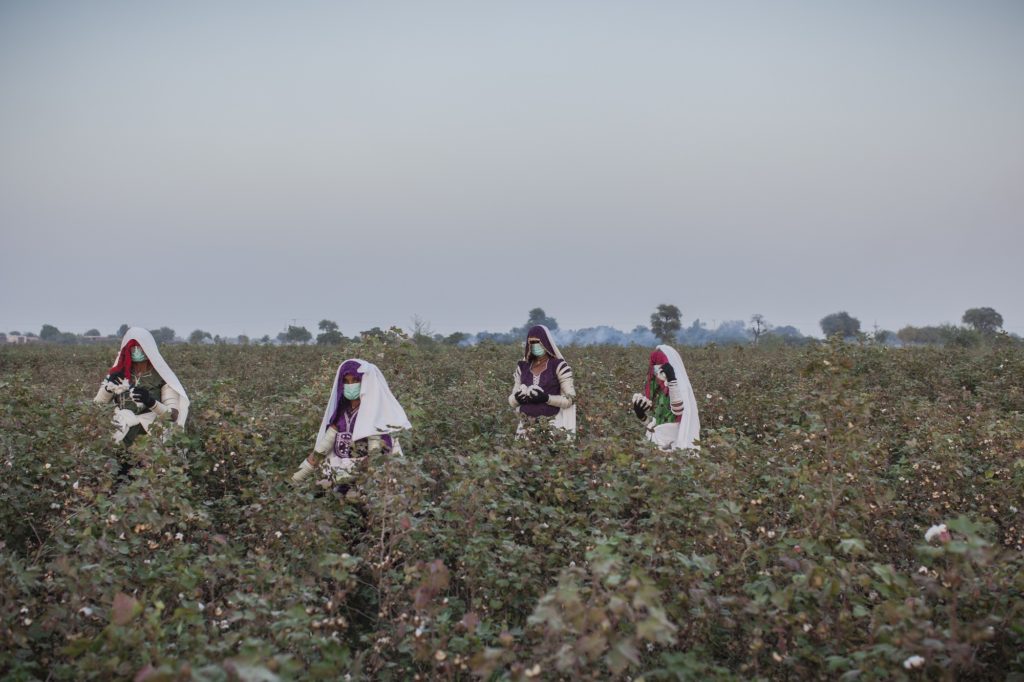
Around 25 million agricultural workers in developing countries suffer from pesticide poisoning each year – including a significant number of women, says the World Health Organization (WHO). The presence of pesticides in food items and their accumulation in tissues has direct toxic effects on humans and other non-target organisms. There are serious ecological and environmental…
Cotton farmer reveals the benefits of sustainable pest management strategies in Pakistan
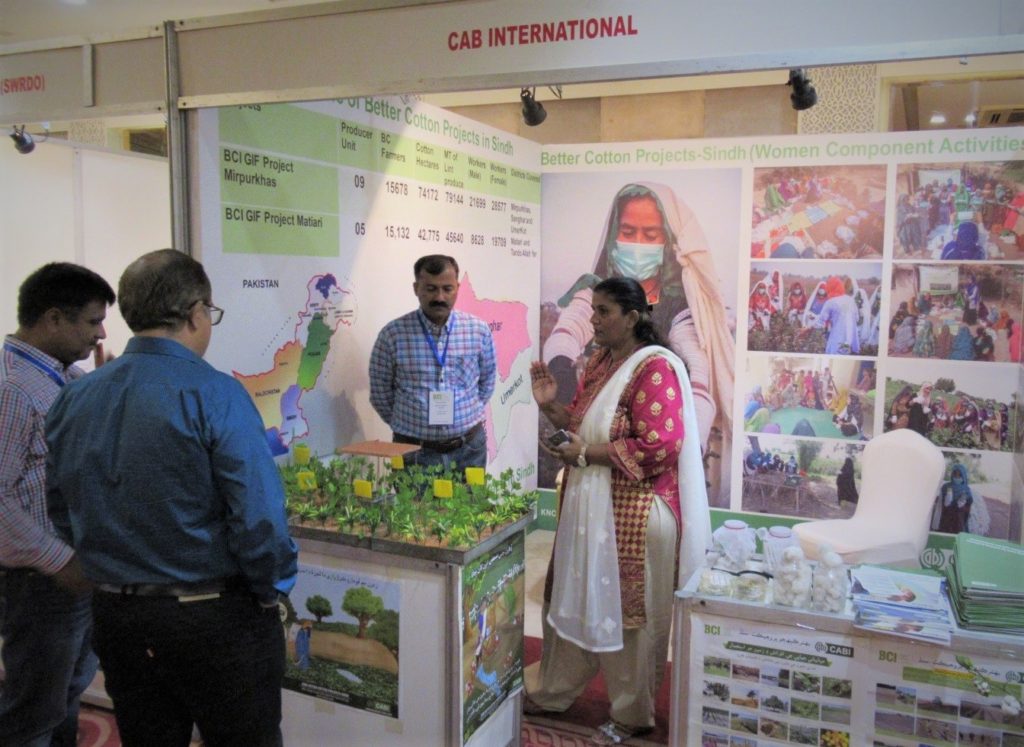
A cotton farmer from Pakistan has revealed how support from CABI, as part of the Better Cotton Initiative (BCI), is helping her implement more sustainable pest management strategies to protect her crops and produce higher and more profitable yields.
Bursary improves cross-CABI collaboration for more effective international development work

A strength of CABI is its work on a global scale addressing global and local problems in agriculture. CABI can rely on its network of experts among various CABI centres, laboratories, project offices in many countries and world regions. To maintain this strength, a CABI Development Bursary was created to aid new experts to visit…
Field trials of biocontrol product are paving way for aflatoxins control in Pakistan
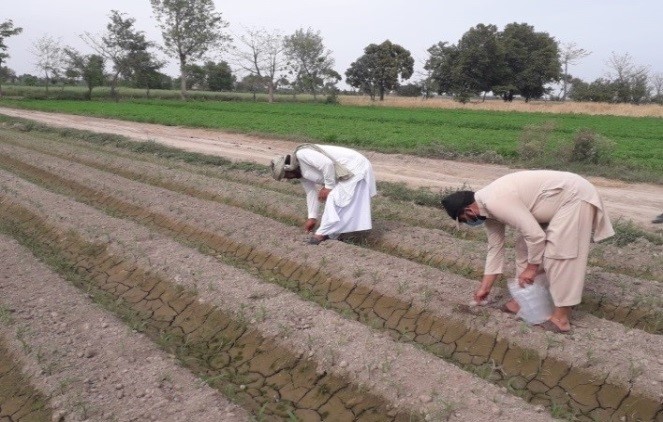
By Dr Sabyan Faris Honey, CABI, and Deborah Hamilton, USDA CABI as lead implementing partner along with its technical partner, Pakistan Agricultural Research Council (PARC) is working on a public-private partnership program led by U.S. company, Ingredion and its Pakistani subsidiary, Rafhan Maize to protect health and nutrition of Pakistan’s citizens by keeping food supply…
From Islamabad to Egham: Sharing quarantine best practice to fight Parthenium weed in Pakistan
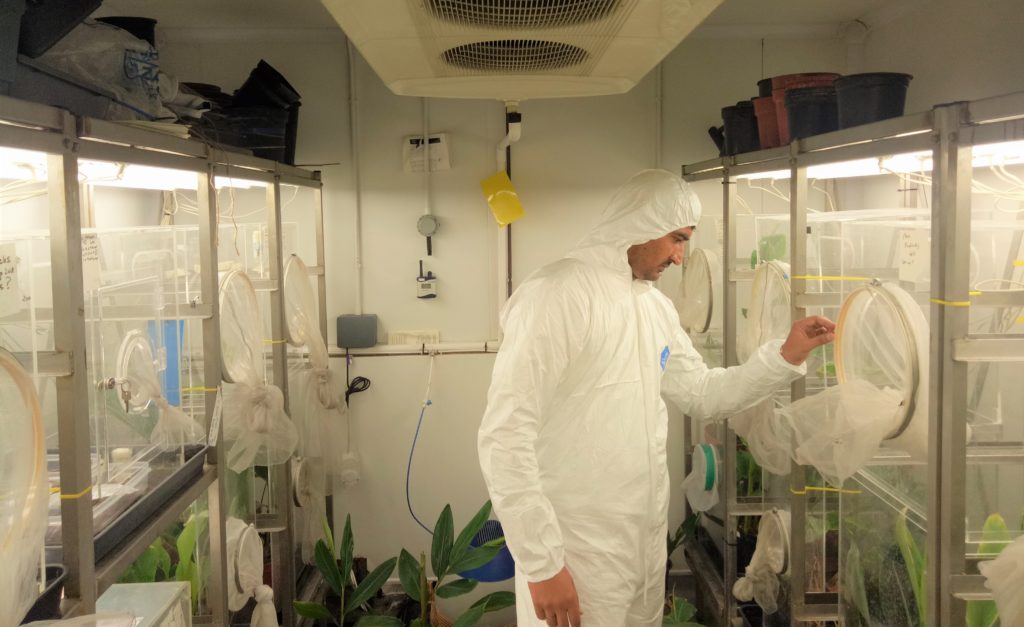
Biocontrol Research Officer Dr Kazam Ali from Islamabad has undergone an intensive week-long quarantine management course delivered by CABI colleagues in Egham, UK, as part of a joint focus on fighting the highly invasive and destructive Parthenium weed in Pakistan. Dr Ali, who works at a new quarantine facility built to create greater capacity for…
Food for thought: Fungal biological resources to support international development – challenges and opportunities
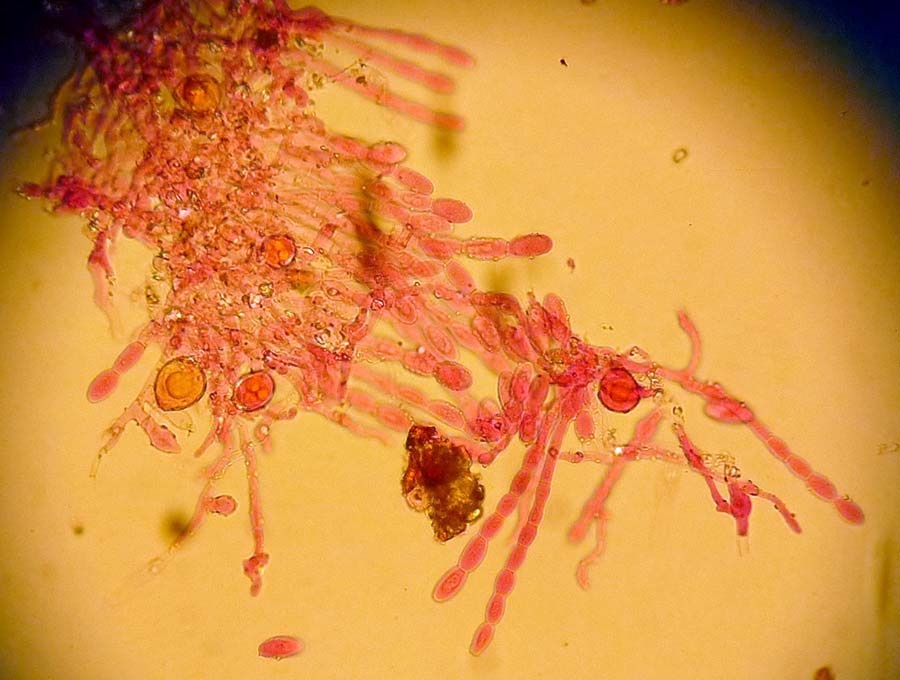
At first glance it might be hard to see how the exploitation of microbes, especially fungi, can have the power to help humanity meet the UN’s Sustainable Development Goals (SDGs), feed the world’s growing population and improve the bioeconomies of poorer nations. But a team of international scientists from CABI, the Westerdijk Institute and the…
CAB Reviews hits 1000 articles with fall armyworm paper
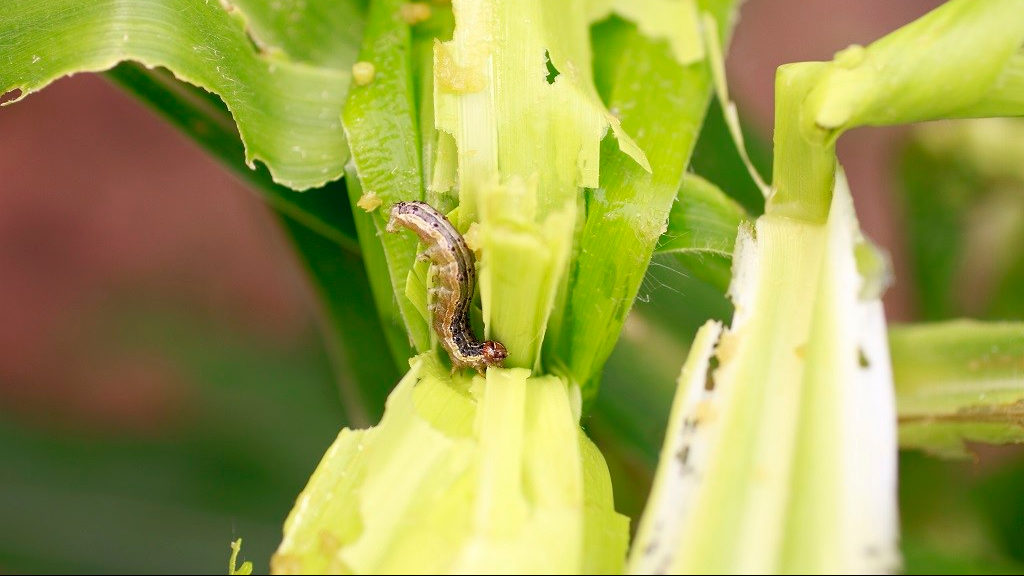
Allan Hruska of the Food and Agriculture Organization has examined published studies to see which management options are most likely to help smallholders tackle the devastating crop pest fall armyworm