
In this blog, Arun Jadhav, Senior Data Architect, explores how CABI is moving from data collection to data usability by strengthening how agricultural data is organized, shared and used to support better decisions on crop loss.
Researchers, governments, extension services and development programmes generate large amounts of agricultural data every year. This includes information on crops, pests, weather, yields and farming practices. These datasets have the potential to support better analysis, decision-making and responses to crop loss. However, much of this data is not easy to use in practice.
CABI is addressing this challenge through two interconnected initiatives. ‘The Global Burden of Crop Loss (GBCL)’ project works with partners to develop data-driven estimates of crop loss and its impacts, using existing datasets and expert input. The ‘Enabling FAIR data sharing and responsible data use (EDA)’ project focuses on improving how data is managed, governed and shared. Together, they connect data analysis with better data management.
Through the EDA project and with support from Gates Foundation, CABI developed the FAIR Process Framework, which includes a Data Management and Access Plan (DMAP) to help projects put good data practices into action. GBCL is using this approach to improve how data is organized, shared and used.
Understanding the challenges
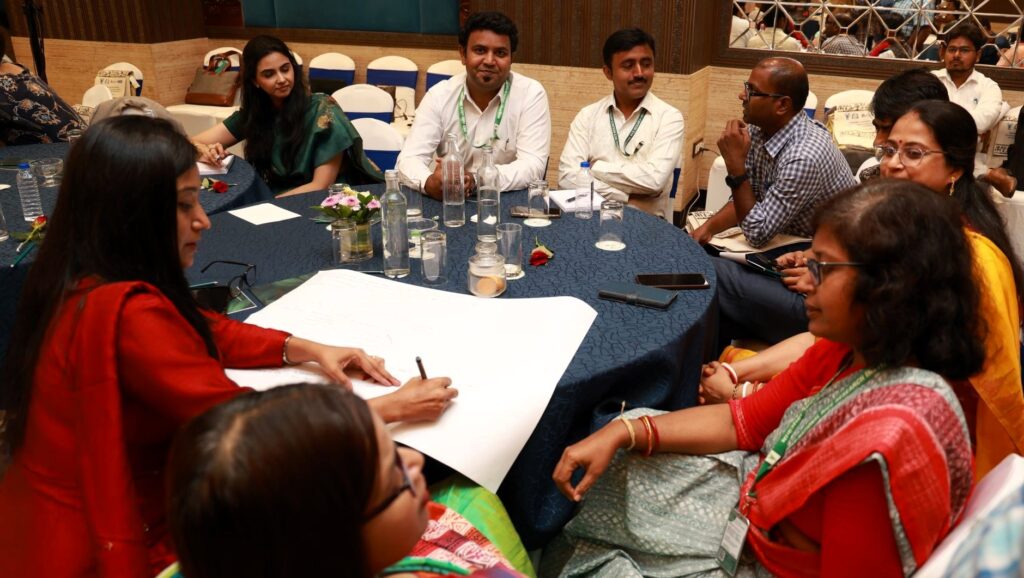
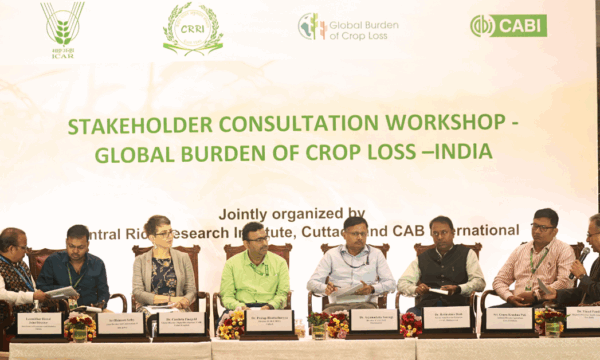
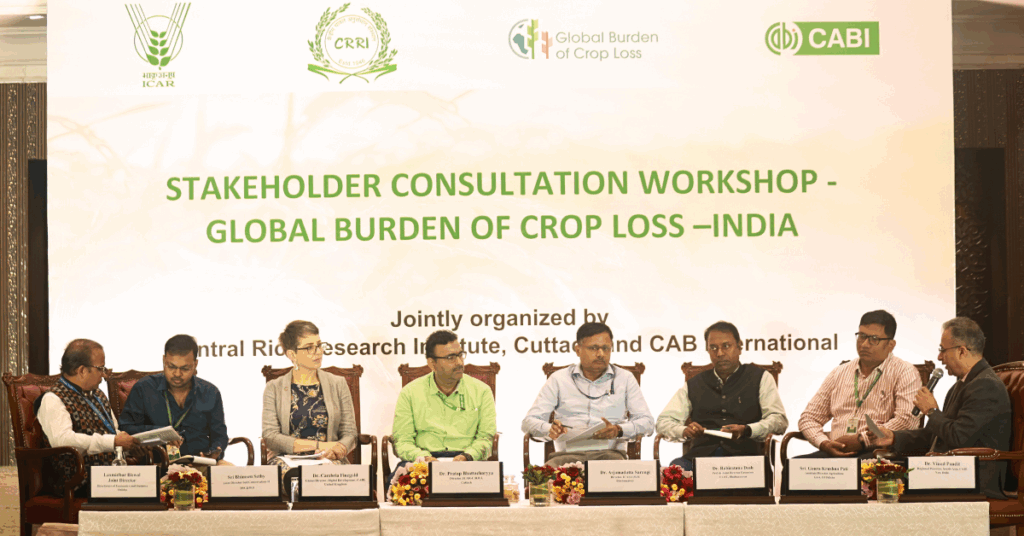
A recent GBCL stakeholder consultation workshop in Odisha, India, highlighted the lack of usable data. The workshop brought together partners working across the rice sector. They agreed that the challenge is not a lack of data, but that existing data is often difficult to use.
Participants identified a range of data sources, including research trials, pest surveillance systems, crop-cutting experiments, insurance records and university studies. Organizations often store data in different formats, use inconsistent terminology and provide limited metadata, making it difficult to combine, interpret and reuse.
Access is another challenge. Institutions often restrict access to datasets through formal permissions and data-sharing agreements. While others, particularly those held by universities and extension services, can be difficult to locate or obtain.
The workshop also highlighted that different users have different needs. Researchers require detailed datasets for analysis, while government departments, extension services and NGOs often need timely, accessible information that supports decision-making. This underlines the importance of making data not only available, but usable for different audiences.
From FAIR principles to practical action
Identifying these challenges is only a first step. Projects need a practical response to improve how they manage and share data. One of the Fair Process Framework’s key tools is a DMAP.
This is a living document that sets out how data will be collected, managed, accessed, shared and preserved throughout a project’s lifecycle. Project teams update the DMAP throughout the project as data needs and responsibilities change.
Within GBCL, the DMAP sets out what data exists, who is responsible for it, how it can be accessed and how it can be used. This gives partners a shared understanding and helps reduce uncertainty around data use from the outset.
It also responds directly to concerns raised during the workshop around ownership and credit. By clarifying attribution and how contributions will be recognized, it helps build trust among partners and supports longer-term collaboration.
The plan also helps bring together different types of data, including climate data, pest records, yield data and management practices. Importantly, it builds on existing national and institutional systems rather than creating new data silos.
Data collection to data use
Together, these changes move projects from data collection to data usability, making agricultural data easier to find, understand, reuse and apply. Better documentation, clear access arrangements and consistent data governance reduce the time needed to move from data to analysis and decision-making.
For researchers, policymakers and practitioners, this means less time spent resolving data issues and more time using evidence to inform action.
GBCL also shows how a tool developed for one initiative can support another. By applying the DMAP, the project brings together stakeholder knowledge, data governance and analysis to support better collaboration and decision-making.
The result is a shift from data collection to data usability, helping ensure that agricultural data is not only available, but also easier to find, understand, reuse and apply.
More information
Featured image credit: deepart386, iStock.
Related blogs:
Why data stewardship matters for understanding crop loss
Related News & Blogs
How digital innovation and better data can strengthen Africa’s food systems
A recent CABI webinar explored the Global Burden of Crop Loss initiative and how better data, modelling and digital innovation can strengthen Africa’s food systems. The article highlights early findings on crop losses and their economic impacts, as well as the wider role of digital technologies, data systems and collaboration in supporting more resilient and sustainable agriculture.
20 August 2026