
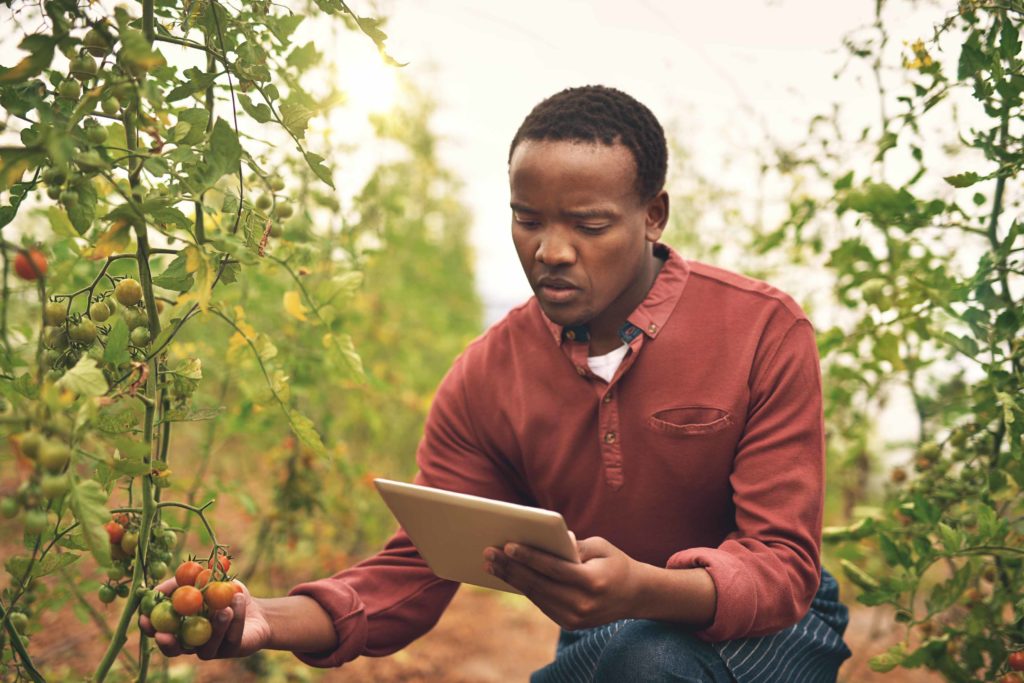
Up to 40% of crops are lost before harvest, but the scale and causes of these losses are not yet fully understood. The CABI-led Global Burden of Crop Loss (GBCL) initiative is bringing together agricultural data, modelling and digital technologies. Together, these approaches can build a clearer picture of crop losses and their economic impacts.
A recent GBCL webinar explored the initiative’s approach. In particular, it illustrated how the GBCL team combines diverse datasets to develop more consistent, data-driven estimates of crop loss. Online attendees included representatives from government, research and academic institutions, development organizations and other agricultural stakeholders from across Africa.
The session formed part of the build-up to the Africa Food Systems Forum 2026, organized by the Alliance for a Green Revolution in Africa, where digitalization is one of the key themes. As part of this focus, discussions will explore how technology, innovation and data can contribute to more productive, resilient and sustainable food systems. The forum takes place in Kigali, Rwanda, from 31 August to 4 September 2026.
As the keynote speaker at the webinar, Ken Lohento, Digital Agriculture Expert at the Food and Agriculture Organization, highlighted the need to move from discussion to practical action on digitalization:
“We have the opportunity to move beyond conversation and really to start acting and accelerate actions… needed to accelerate digitalization and harness its potential to transform Africa’s food system.”
Global Burden of Crop Loss
The webinar presented progress across the GBCL initiative, including early findings and the development of global estimates of crop loss in wheat, maize and rice. CABI experts demonstrated how the resulting evidence can provide insights into crop losses and their economic impacts.
Brie Finegold, CABI’s Director of Data Science, Modelling and AI, said: “Understanding the scale and causes of crop losses requires better use of the data and technologies already available. GBCL brings together collaborators, diverse agricultural datasets, modelling and digital approaches. As a result, it can build a stronger evidence base to inform decisions on agricultural production and food security.”
Measuring the burden of crop loss
Dr Anna Szyniszewska, Technical Lead for GBCL, presented the technical framework underpinning the initiative. Measuring the global burden begins by estimating the Attainable Yield in Context – the highest possible yield under local environmental and socioeconomic conditions. This takes into account factors such as climate, soil, irrigation, nutrient inputs and predominant farming practices.
“The analysis then compares these attainable yields with the reported crop production to estimate pre-harvest crop losses. The objective of the programme is then attribute losses to two broad group of factors. Biotic, represents insect pests, weeds and diseases. Meanwhile abiotic represents extreme weather events during crop growing season including drought and extreme weather. Finally, the economic burden is calculated by considering the value of these pre-harvest losses alongside the costs of measures taken to control them,” she said.
Dr Szyniszewska also presented early economic insights from the maize analysis. The estimated global economic burden of maize crop loss increased from US$90 billion in 2000 to US$172 billion in 2022. However, when adjusted for inflation and changing commodity prices, the economic burden per hectare has declined globally. Regional trends vary, with increasing economic burdens in parts of East Asia and Sub-Saharan Africa and declines in Europe and North America.
Digital innovation in agriculture
The GBCL approach also highlights the wider role of digital technologies in addressing agricultural challenges. These include digital advisory tools, dashboards, mobile services, web portals and digital learning, which can make scientific knowledge more accessible to agricultural stakeholders and support better-informed decisions that benefit farmers.
However, the broader use of digital technologies also raises questions about how different stakeholders can contribute to digitalization across Africa’s food systems.
“Accelerating digitalization across Africa’s food systems will require action from stakeholders across the food system. This requires investment not only in technologies, but also in the data, infrastructure, skills and governance that underpin them,” said Henry Mibei, Manager, Digital Development, CABI, and moderator of the webinar.
“Governments, research institutions, development organizations, technology providers and farmer organizations all have important roles to play – from strengthening digital infrastructure and data systems to contributing expertise, supporting investment and developing solutions that respond to local needs,” he added.
Building the foundations for digitalization
The GBCL initiative demonstrates the value of harnessing global publicly available data, scientific expertise, modelling and stakeholder knowledge to address a complex agricultural challenge. Continued collaboration, research partnerships and data sharing will be important to strengthening this evidence base and ensuring it can inform decisions.
“GBCL aims to provide reliable evidence that can support better policy and investment decisions, research priorities and agricultural interventions. By making our findings available as public goods through publications, policy briefs and interactive tools, we hope to make this evidence accessible to those who need it.” said Rasaki Arasah, Project Manager for GBCL.
As CABI contributes to the Africa Food Systems Forum 2026, there is renewed focus on how digital innovation and better use of data can support practical solutions across Africa’s food systems. The focus also extends to strengthening the systems, partnerships and capabilities needed to turn agricultural knowledge and evidence into better decisions, stronger resilience and improved food security.
Further information
Featured image credit: PeopleImages / iStock
Related blogs:
Turning agricultural data into action
Equipping decision-makers with evidence to tackle global crop loss
Discover more CABI projects in the area of Digital Development:
● ‘Enabling data access‘ project
● ‘Generative AI for Agriculture Advisory‘ project
Related News & Blogs
Crop loss: What do maize losses really mean for women farmers?
Crop loss can have devastating impacts on rural communities. The Global Burden of Crop Loss recently published a study on maize crop losses in Kenya to explore their age- and gender-differentiated impacts on maize farming communities across different agroecological zones.
22 September 2026