

“Insect wasps are my army in the fight to protect my pawpaw”

Meet Alfred Bolo, a pawpaw farmer Alfred is a father of two children, an agricultural officer by profession and a practising farmer in Kwale County, Kenya. He grows over 400 pawpaw (papaya) trees on his farm. Every week, Alfred harvests up to 400 kgs of papaw fruit, earning him an income of approximately Ksh. 22,000…
CABI’s expertise in digital data to help fight crop pests showcased in Punjab
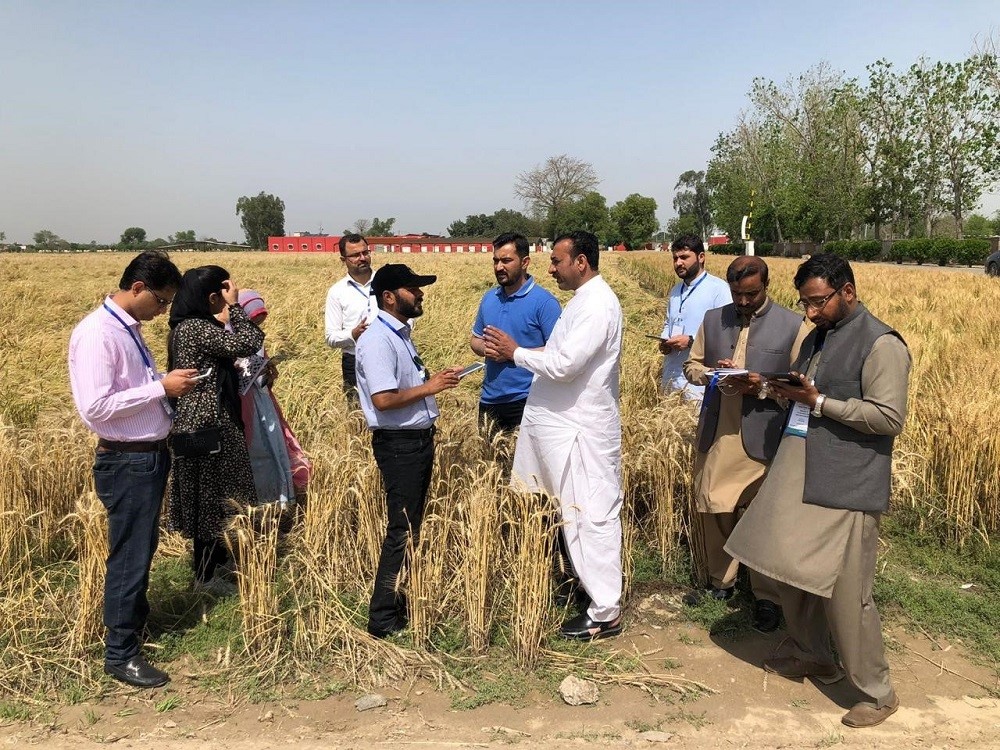
CABI’s digital data expertise has been showcased through a project in Punjab, Pakistan, and will help smallholders in the fight against crop pests.
Using compost to grow better cotton in Pakistan: a farmer’s story
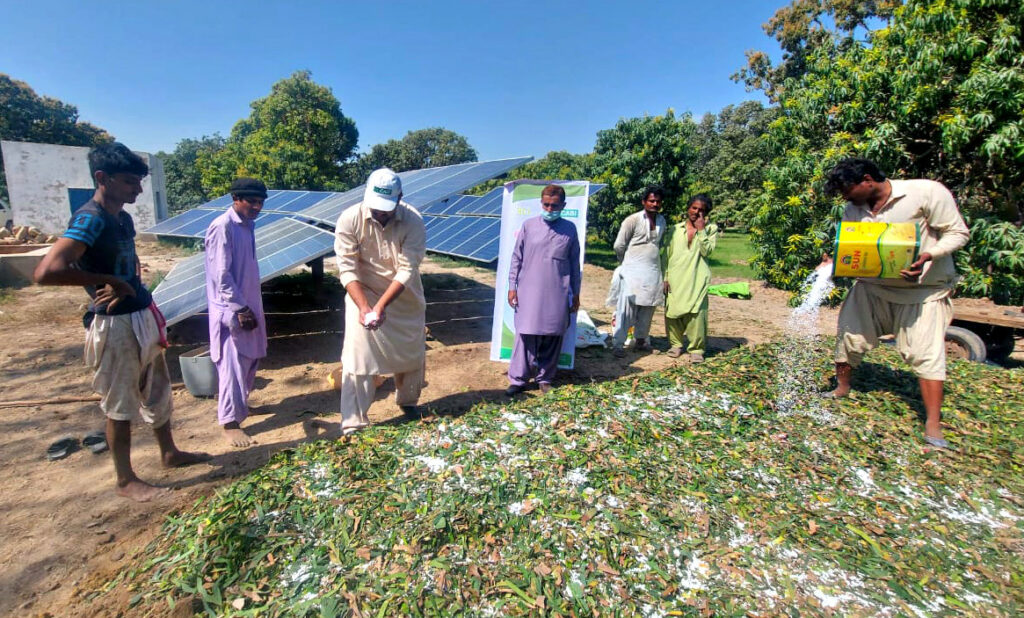
This is the story of smallholder cotton farmer Wazeer Ali, who was supported by CABI in Pakistan under the Better Cotton Initiative (BCI) in 2021, and is reaping the benefits of composting for his crop.
CABI podcast

Welcome to the CABI podcast, a series dedicated to agricultural science and how it can improve lives and address the challenges faced by people around the world.
Newly launched searchRxiv builds search community to foster easier, quicker research

This week, CABI launched searchRxiv (pronounced ‘search archive’), our new open-access platform. We created the website to help researchers report, store and share their searches consistently. This helps with the review and re-use of existing searches, making research quicker and easier. searchRxiv is open to everyone. It’s free for researchers to post, comment, download and…
Writing a good title is the best way to improve your paper
The titles of scientific papers are often ineffective. Such titles introduce the subject of the paper but fail to tell the reader the main finding. They only draw the interest of those who already work in the same area, and do not engage wider interest. Fortunately, it is easy to correct these problems, engage your…
Improving access to legume technologies in Ghana
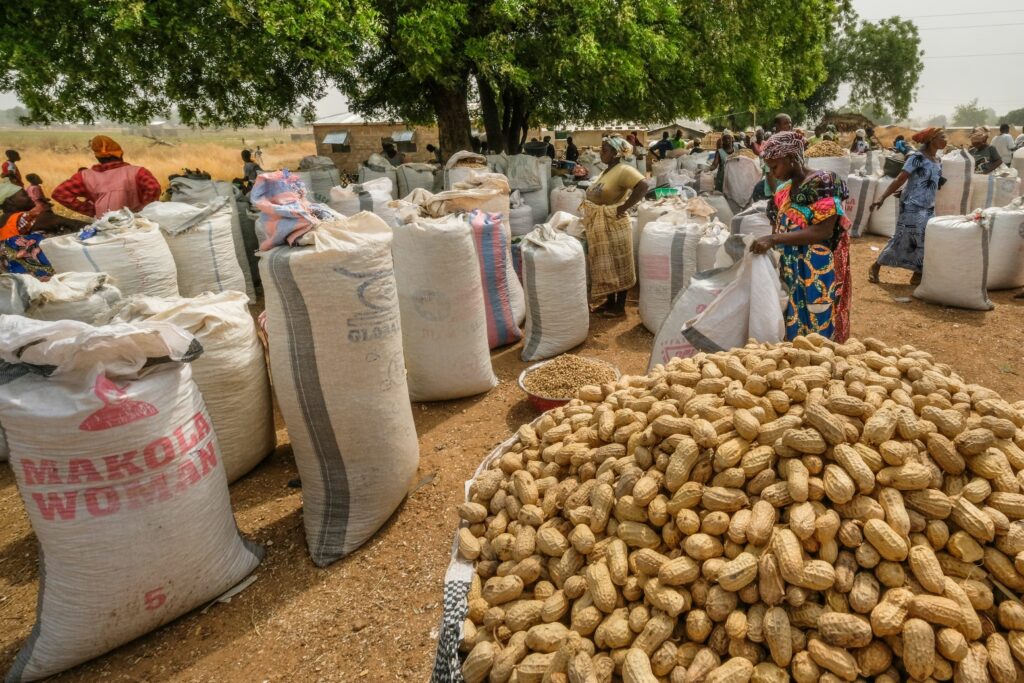
In Ghana, legumes offer an important food staple and commercial crop for smallholder farmers, with legume value chains making a significant impact on food security and household incomes. However, production of legumes, such as soybean, are on the decline in the sub-Saharan Africa. This can be attributed to a number of factors, but chief among…
Aflatoxin control in Pakistan through the eyes of a maize grower from Punjab
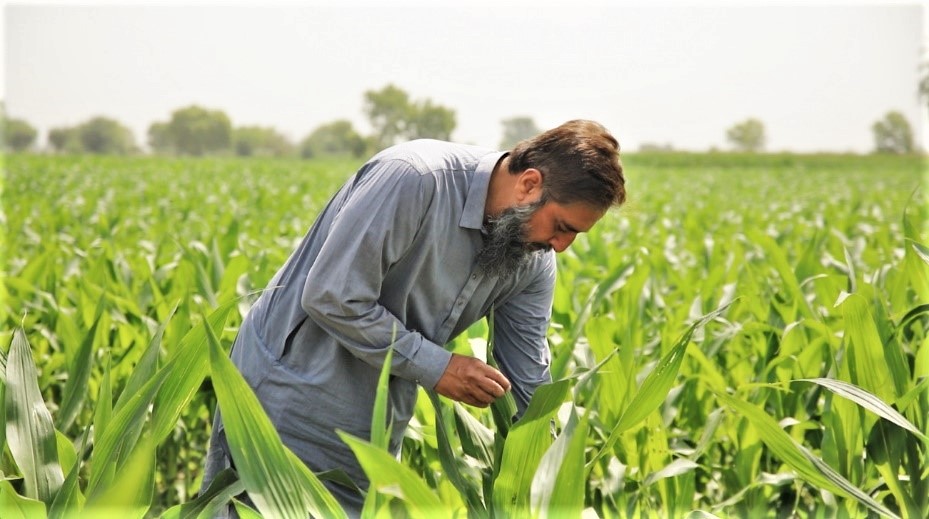
Mian Muhammad Irfan is a maize grower from district Faisalabad in Punjab province. Here Rafhan Maize Products Co. Ltd procures thousands of tons of maize crop each year for processing. He is one of the thousands of maize crop farmers contracted with Rafhan Maize. Mr Irfan grows around one hundred acres of maize annually. Over…
Organic cotton in Pakistan: policy analysis and recommendations
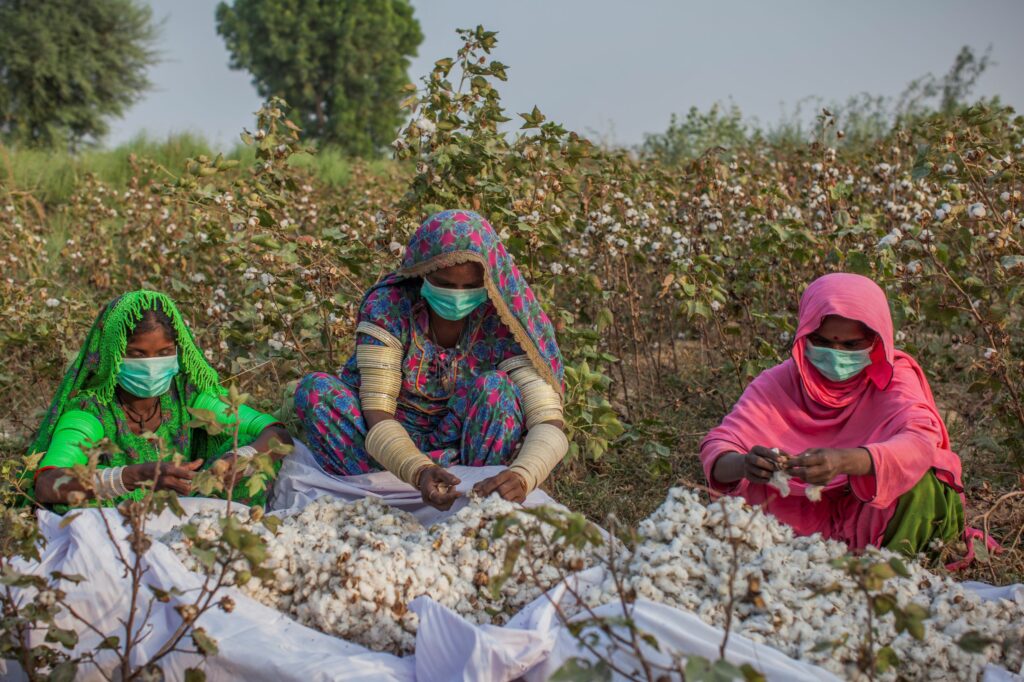
As the fourth largest cotton producer worldwide, cotton is an integral part of Pakistan’s economy contributing 9.5% of its gross domestic and serving as a core livelihood for 15 million cotton workers. In addition to bringing US$3.5 billion as foreign currency each year to the country, it provides crucial income to cotton-producing households, accounting for…
Searching made easy with CAB Thesaurus
Ever known exactly what you want to find, but not quite getting the results you desire? As an organization with over 100 years of scientific research experience behind us, we know your pain. That’s why we created CAB Thesaurus, our digital indexing tool designed to help researchers quickly navigate through millions of subjects to find…