
Across Africa, many of the solutions needed to strengthen food security, resilience and livelihoods already exist. Yet knowledge only creates impact when it reaches the people and institutions who can use it. The priority now is scaling proven solutions so they can deliver impact where it is needed most. This was the consistent message that emerged from the Africa Food Systems Forum 2026 in Kigali, Rwanda – the world’s premier gathering for African agriculture and food systems.
Africa does not lack strategies. The continent’s transformation is held back by delivery. His Excellency, Hailemariam Desalegn, Chair of AGRA’s Board and former Prime Minister of Ethiopia, called this the “capability trap”, in which ambitious national strategies exist on paper but fail to translate into practice because the mechanisms meant to carry them out cannot sustain delivery over time. This gap, he noted, sits alongside a productivity trap in depleted soil health and a value trap in market failure, fragmented agriculture, deficient transport, and missing cold-chain infrastructure.
Mr Amath Pathé Sene, AFS Forum’s Managing Director, framed this as the forum’s next test. “Its first 20 years prove that Africa can convene with excellence, ambition and impact,” he said, but the next 20 “must prove that Africa can deliver”, moving capital, moving businesses, creating jobs for young people and women, and building food systems resilient enough to withstand the climate crisis ahead.
The forum’s theme said as much: “Investing in Africa’s Agri-Food Systems: Nourishing Nations, Growing Jobs, Building Resilience” and more than 5,000 people showed up to figure out how to carry solutions to the continent’s food systems.
Partnerships needed to scale the solutions
Similar discussions emerged throughout CABI’s engagement in the forum with donors, partners, Member Countries and prospective member countries, as experts listened to priorities and explored opportunities to deliver science-based solutions directly into the hands of the people who need them.
This message was also reflected in a breakfast meeting of the Association of International Research and Development Centres for Agriculture (AIRCA), where its six members, CABI included, and other like-minded organizations explored how stronger partnerships can help take proven solutions to scale.
It also came through in the panels where CABI contributed expertise with conversations spanning digital innovation and AI-driven advisory tools, youth leadership and climate action in agrifood systems, investment mobilization and inclusive finance, and country-led approaches to soil health and job creation through value addition.
Africa does not have to reinvent the wheel
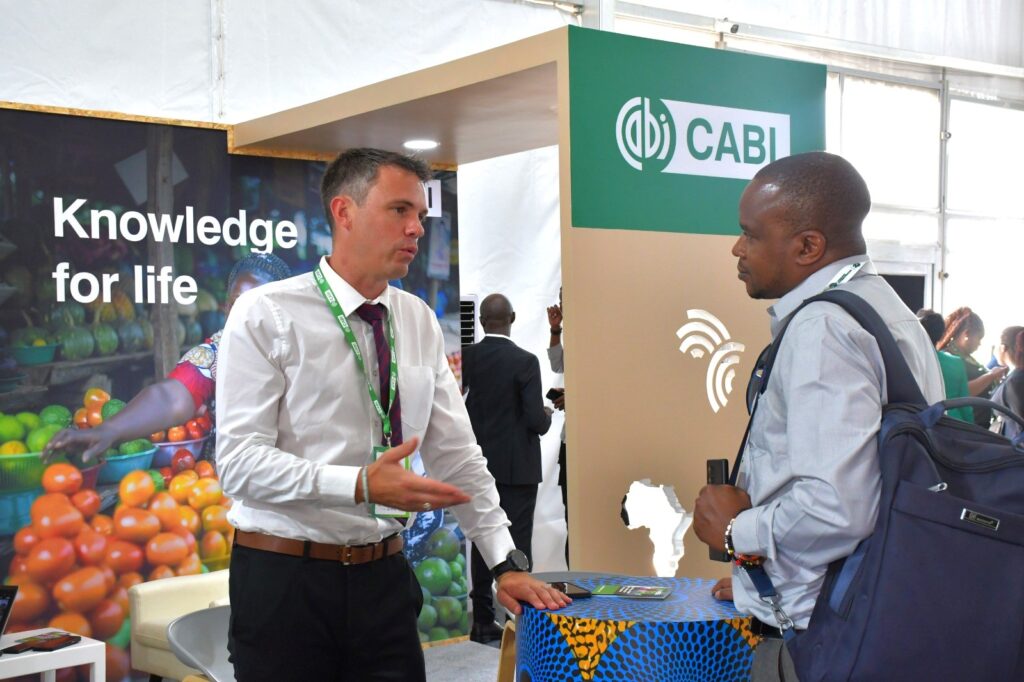
Speaking during a session on the digital backbone for Africa’s food systems, CABI’s Digital Development Manager, Henry Mibei highlighted that across the continent, numerous digital platforms and systems have already been developed. The bigger opportunity is to ensure that these systems can connect with one another and deliver greater value to farmers and other users.
“Innovation matters, but its impact depends on whether it can move beyond individual projects, connect with existing systems and reach the people who need it,” said Mr Mibei.
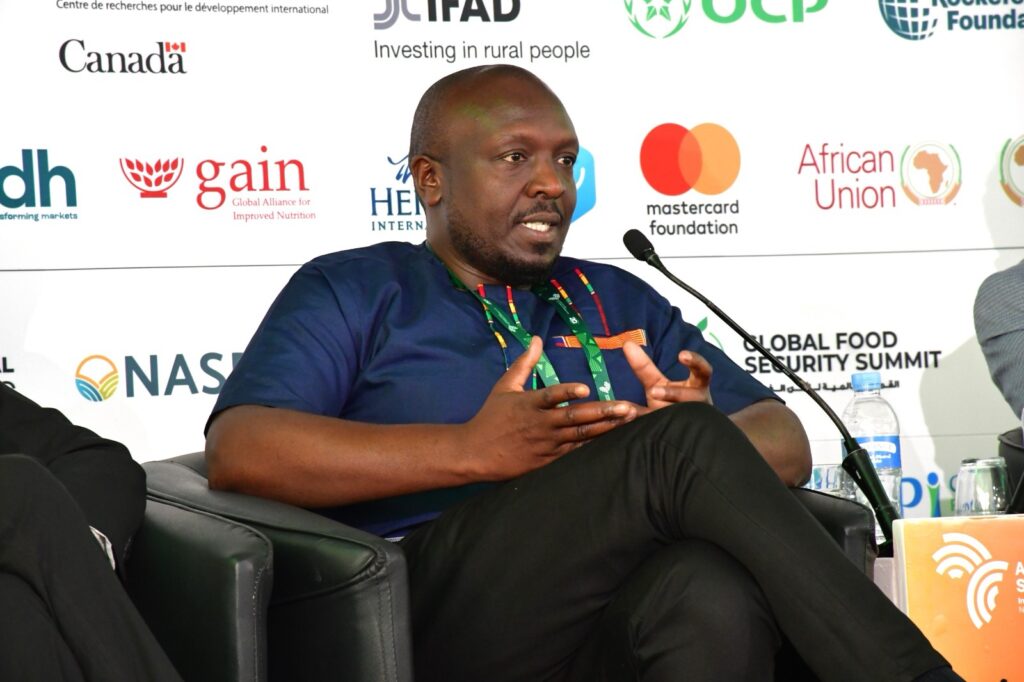
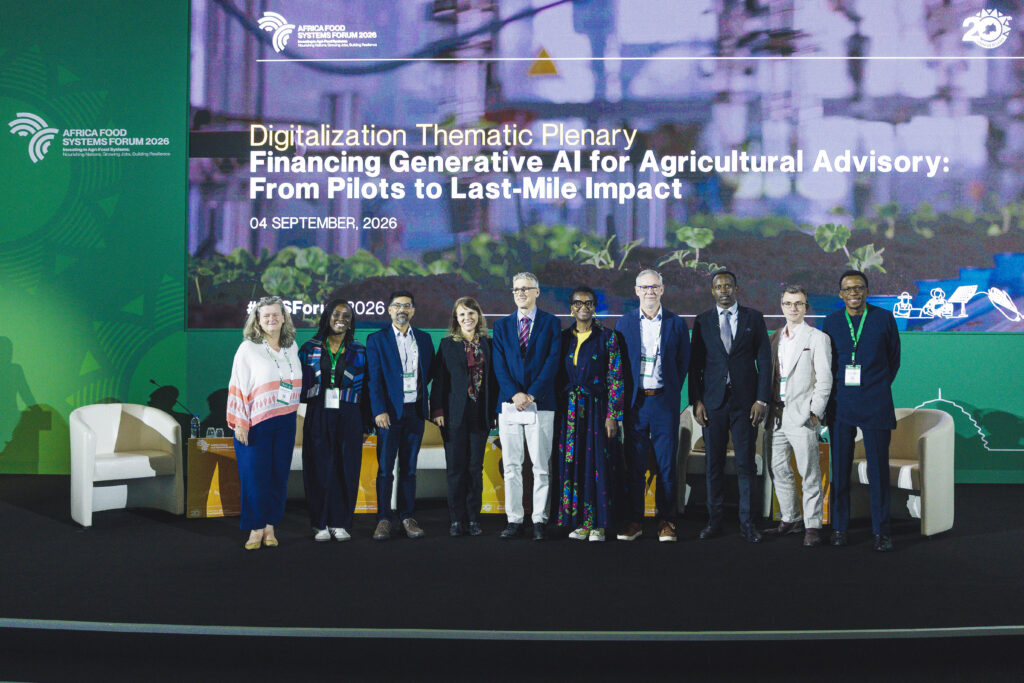
That same tension between promise and pragmatism ran through the plenary session “Digitization: Financing Generative AI for Agricultural Advisory,” where key influencers in AI for agriculture gathered to weigh the opportunities and risks of emerging technologies for Africa’s smallholder farmers. Much of the discussion centred on the need for robust guardrails, designing for the user, capturing and localizing knowledge and advice, and building systems that are both sustainable and equitable.
CABI’s CEO, Dr Daniel Elger, who joined the plenary session on Digitization, focused on how to ensure information provided to farmers and advisors remains well tailored to local needs as AI-based services become increasingly important. He stressed the need to continue investing in the generation and curation of data as well as the generative AI applications built on the data.
Advice, Dr Elger noted, is only as good as the evidence behind it, and that relevance erodes quickly once information goes stale or the pipelines of quality evidence dry up.
Solving Africa’s soil health challenge starts with who owns the data
CABI’s Director, Data Policy & Practice, Dr Martin Parr, speaking at a session on the role of business and industry in improving Africa’s soil health, made the case for a fundamental shift in how the continent’s soil health agenda gets funded. Rather than relying on official development assistance and philanthropic funding, he argued, investment in digital infrastructure for soil health should shift toward African governments and pan-African financing.
The goal is a new reality in which key data infrastructure is increasingly owned and valued by governments, potentially through public-private partnerships, but anchored by a clearer role for national systems.
“Robust national data infrastructures can then enable and support industry to innovate and take solutions to market and the farmer. The African Union Soil Observatory (AUSO) represents one such attempt at building that digital backbone for national systems and industry to tap into.”
Young people aren’t waiting to inherit Africa’s food systems
The forum also offered a powerful reminder that young people should not be viewed simply as future beneficiaries of food-system transformation as they are already shaping it.
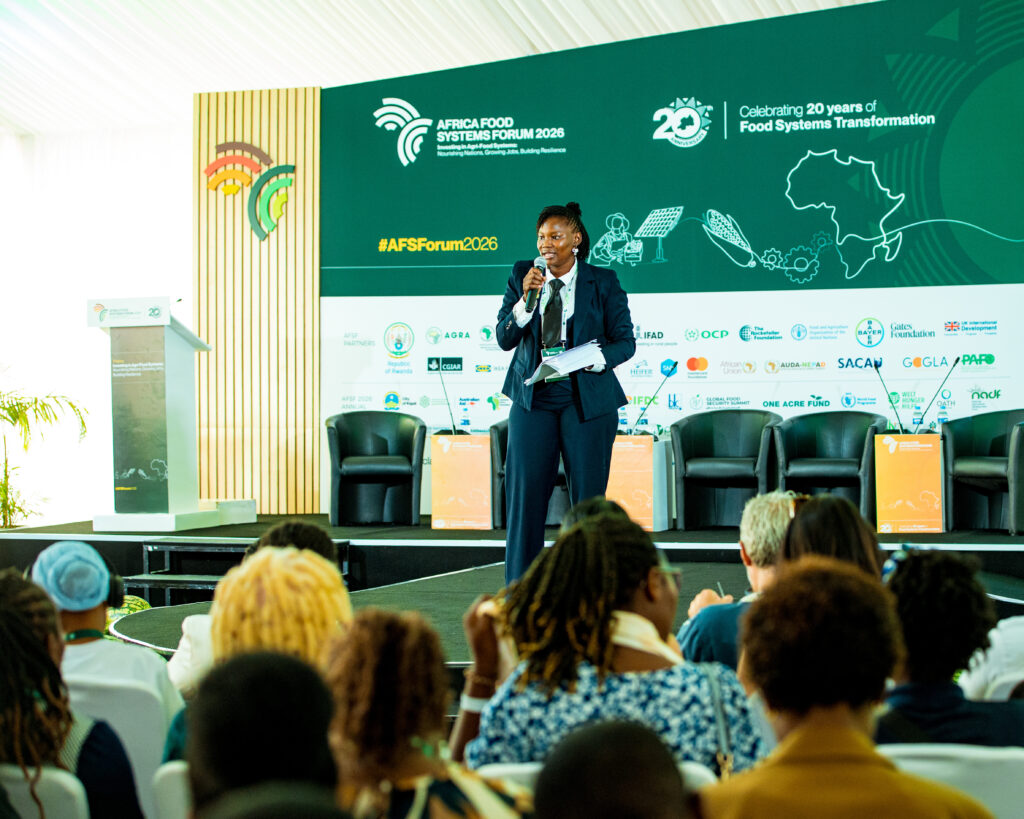
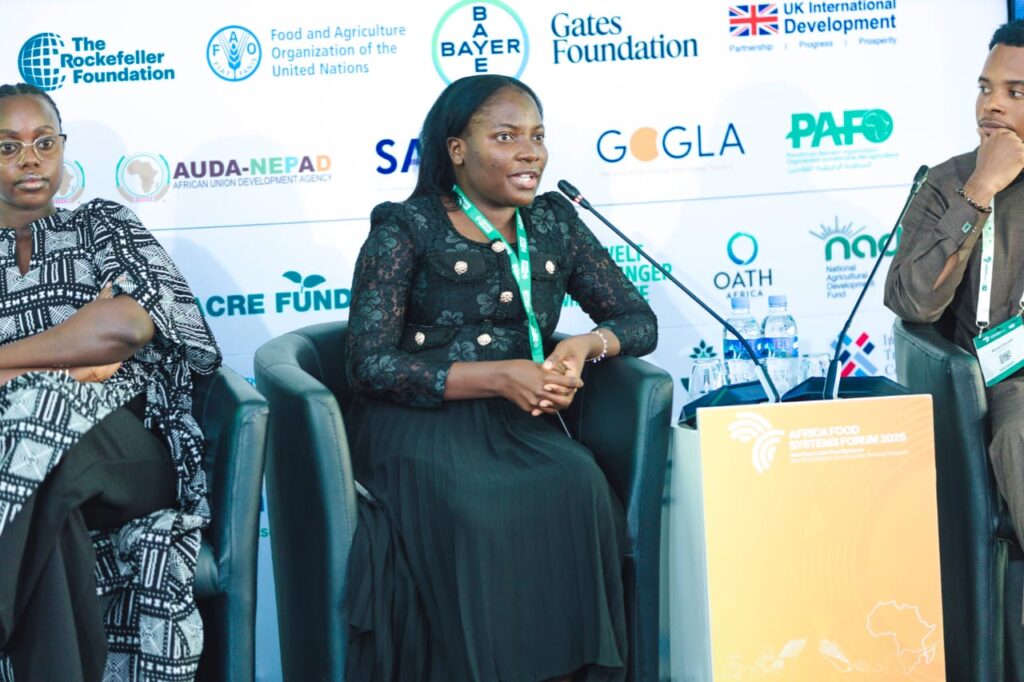
CABI entomologist and drone pilot, Violet Ochieng’, brought this perspective to the Youth Dome, where she moderated a session and joined others as a panellist, demonstrating how science, technology and young talent can come together to address agricultural challenges.
“We, young people, are already co-creators, innovators and leaders of the future of Africa’s food systems. The question, therefore, is not simply how to attract us to agriculture. We need accessible systems that give us the finance, skills, technology, markets and partnerships to build sustainable enterprises and create jobs,” said Ms Ochieng
In a separate session at the Youth Dome and subsequent reflection, drawing on CABI’s work on creating opportunities for youth, CABI’s Chief Officer, Member Countries and Partnerships, Phyllis Engefu Ombonyo, highlighted that skills alone are not enough. “Skills must be matched with youth-friendly financing, including patient capital, and approaches such as lease-to-own models that expand access to land and productive assets.”
In another panel, CABI’s Research Officer, Dora Shimbwambwa, called for coordinated youth action to transform Africa’s agrifood systems and strengthen climate resilience.
Inclusion must translate into opportunity
Conversations around women and youth also raised a broader question about what inclusive food systems should look like and CABI’s Regional Director, Dr Monica Kansiime, carried that question across two sessions, on special investment programmes for youth and women in agrifood systems, and on powering inclusive food systems more broadly.
Across both, Dr Kansiime shared expertise on how to move from participation to transformation. That shift, participants agreed, depends on getting four things working together: policy that removes barriers rather than reinforcing them, financial institutions willing to design products around women’s and young people’s realities, evidence that captures what’s actually working, and the institutional will and partnerships to act on all at scale.
Building on the urgency from Kigali
As CABI reflects on Kigali, its own strategy to 2028 rests on the same conviction. Food security, climate resilience, and the fight against inequality and biodiversity loss will be won by translating knowledge and science into practical solutions and tools, putting them into the hands of farmers and communities, helping them to grow more and lose less. Kigali sharpened the urgency of that task.
Additional information
Main image: Violet Ochieng’ moderating a session at the Africa Food Systems Forum 2026. Credit: AFS Forum
Relevant links
- CABI’s AFSF webpage: Find out more about CABI’s involvement at the AFSF from the webpage here
- Read more about the CABI-led GBCL webinar held as part of the build-up to the Africa Food Systems Forum 2026: How digital innovation and better data can strengthen Africa’s food systems
Related News & Blogs
How CABI helped Zambia revive maize seed exports and strengthen plant health systems
Zambia’s maize seed trade faced crisis in 2020 when shipments were rejected over phytosanitary concerns, risking millions and reputation. With CABI’s rapid scientific support, the country restored trade, strengthened plant health systems, and built resilience. The case highlights how collaboration, evidence, and swift response can safeguard markets and livelihoods sustainably.
18 June 2026