

The next chapter for Africa’s food systems isn’t inventing solutions. It’s scaling them
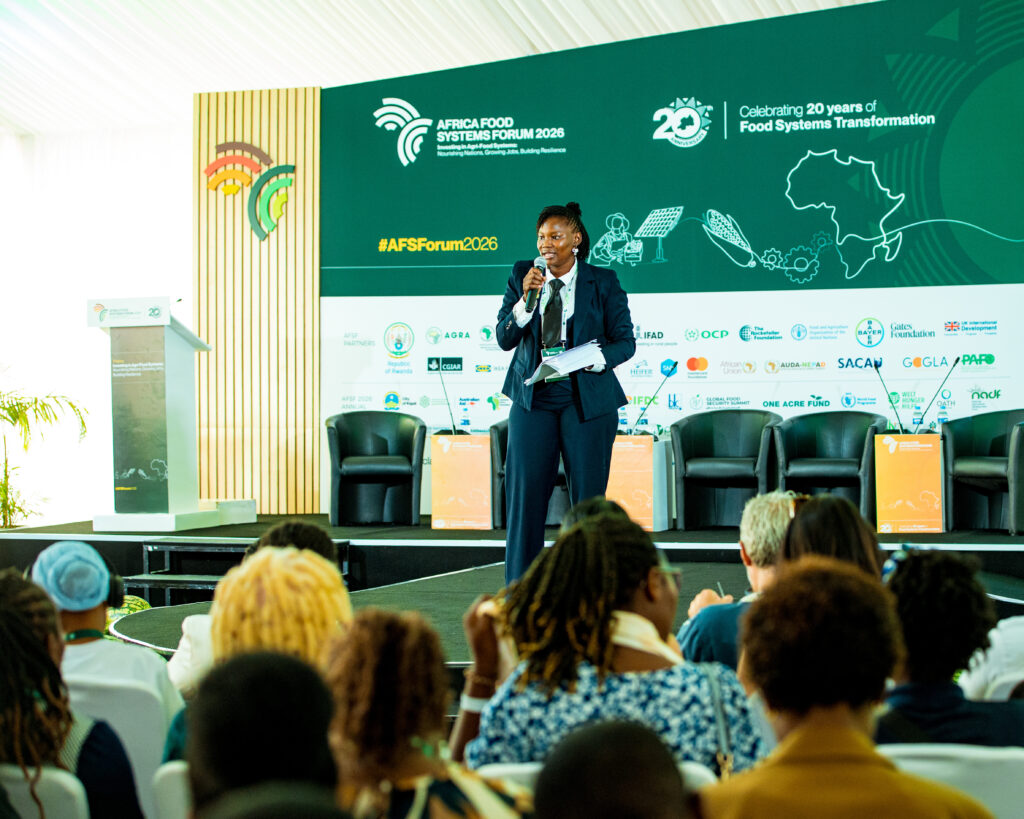
Across Africa, many of the solutions needed to strengthen food security, resilience and livelihoods exist. Yet knowledge only creates impact when it reaches the people and institutions who can use it. The priority now is scaling proven solutions so they can deliver impact where it is needed most. This was the consistent message from the Africa Food Systems Forum 2026.
How CABI helped Zambia revive maize seed exports and strengthen plant health systems
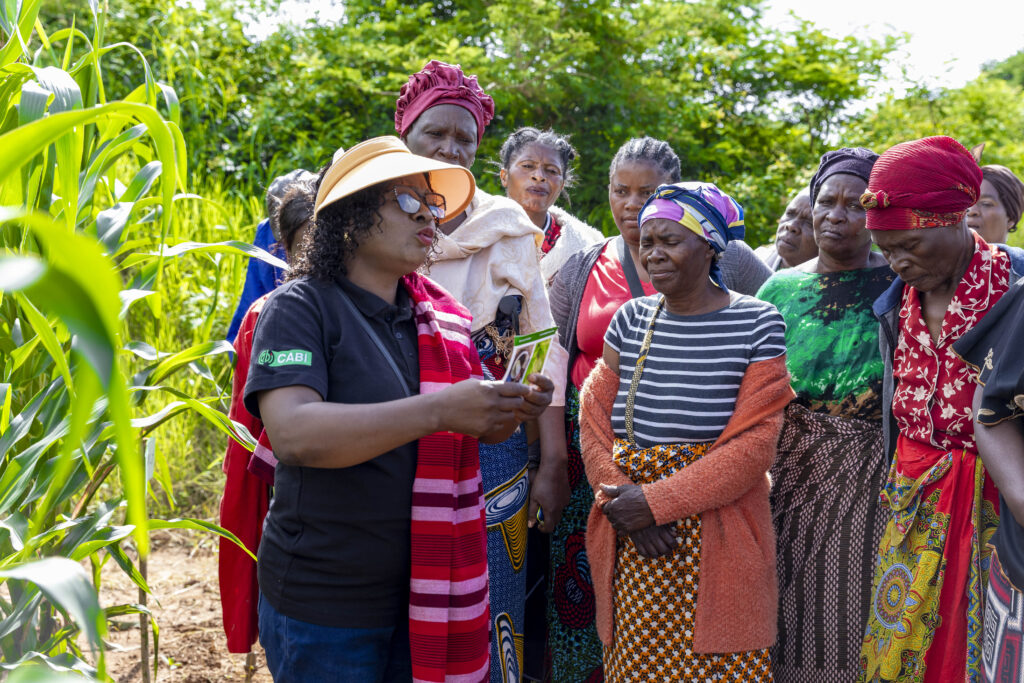
Zambia’s maize seed trade faced crisis in 2020 when shipments were rejected over phytosanitary concerns, risking millions and reputation. With CABI’s rapid scientific support, the country restored trade, strengthened plant health systems, and built resilience. The case highlights how collaboration, evidence, and swift response can safeguard markets and livelihoods sustainably.
International Day for Biological Diversity: Why local action matters
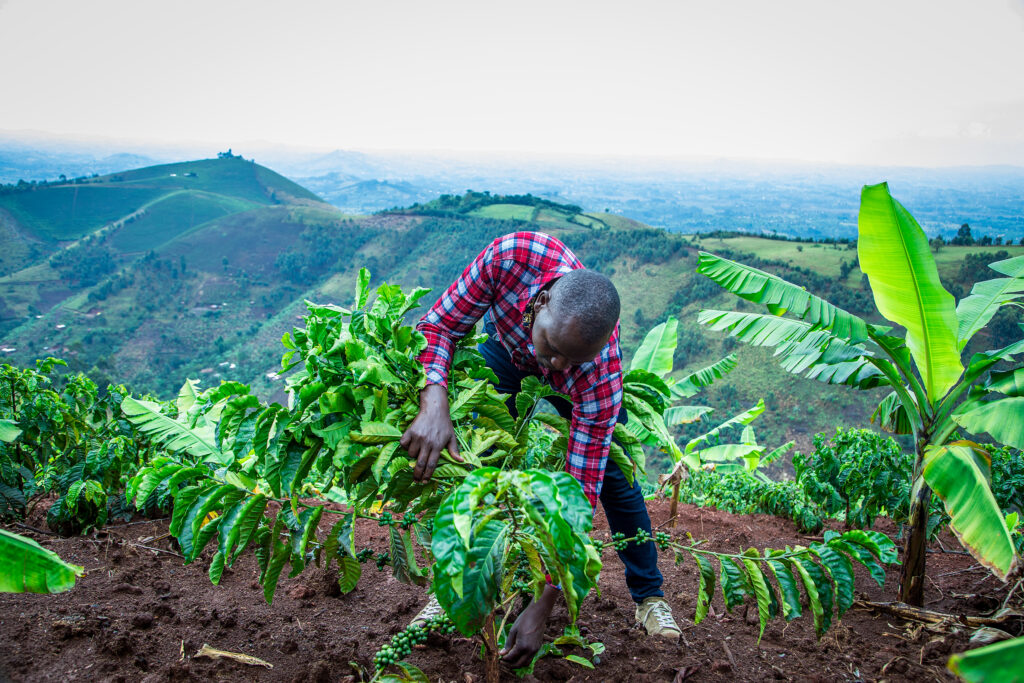
Marking the International Day for Biological Diversity 2026, this blog explores how CABI is supporting locally led, science-based action to restore ecosystems, manage invasive species, and protect biodiversity worldwide.
Regional knowledge exchange advances pesticide risk reduction in Ethiopia
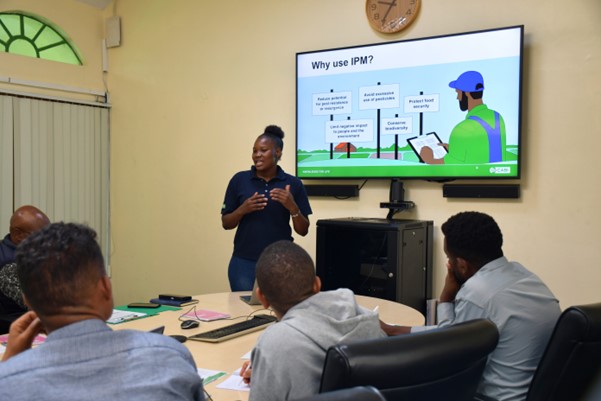
Across Ethiopia, smallholder farmers continue to face growing pressure from pests that threaten horticulture production, incomes, and food security. In response, many rely heavily on chemical pesticides, sometimes as the only available option. How do we shift from short-term pest control to long-term resilience? Increasingly, the solution lies in pesticide risk reduction approaches like Integrated…
CABI supports Kenya’s Apple Mango entry into the UK market

As shoppers in the United Kingdom prepared for Christmas celebrations in December 2025, a new fruit from Kenya quietly made history. The country shipped its first‑ever consignment of Kenya’s Apple Mango variety to the UK. This landmark achievement demonstrated Kenya’s ability to meet the UK’s stringent market requirements and also highlighted the wider economic opportunities…
AIRCA members stress value of partnership for global food systems transformation
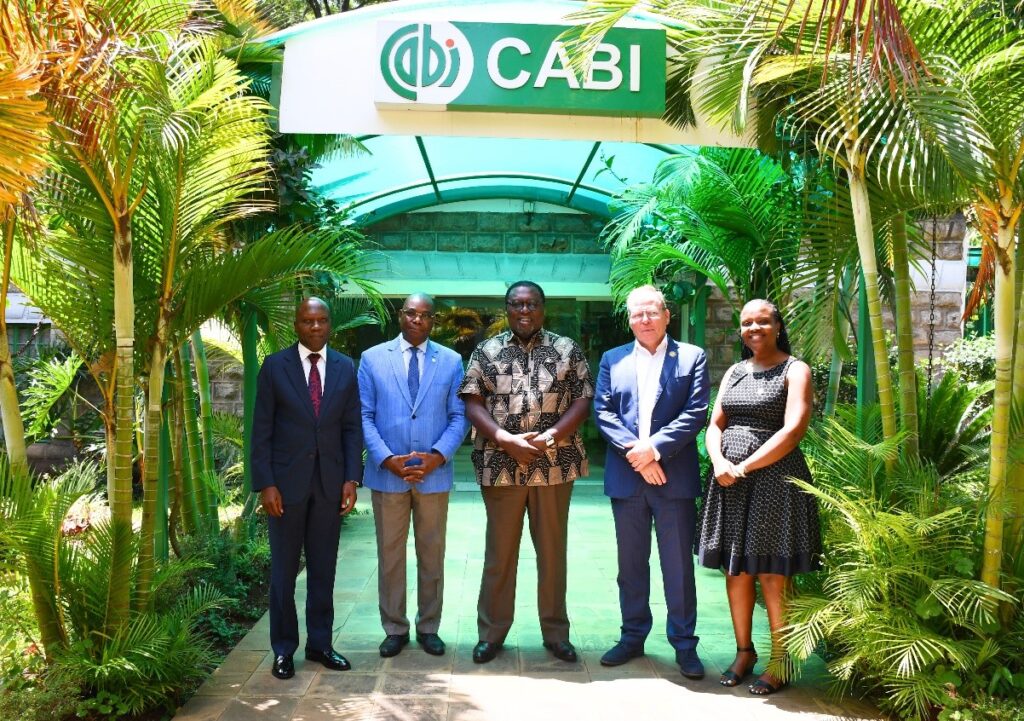
As global development financing tightens and Official Development Assistance declines, leaders of six major international agricultural research organizations convened under the AIRCA platform to chart a more coordinated and ambitious path – one that strengthens partnerships and delivers practical solutions for farmers, communities, and governments. The two-day strategic meeting, held on 27–28 January 2026 at…
Biosecurity and skills development workshop brings together key players in Africa’s plant health ecosystem
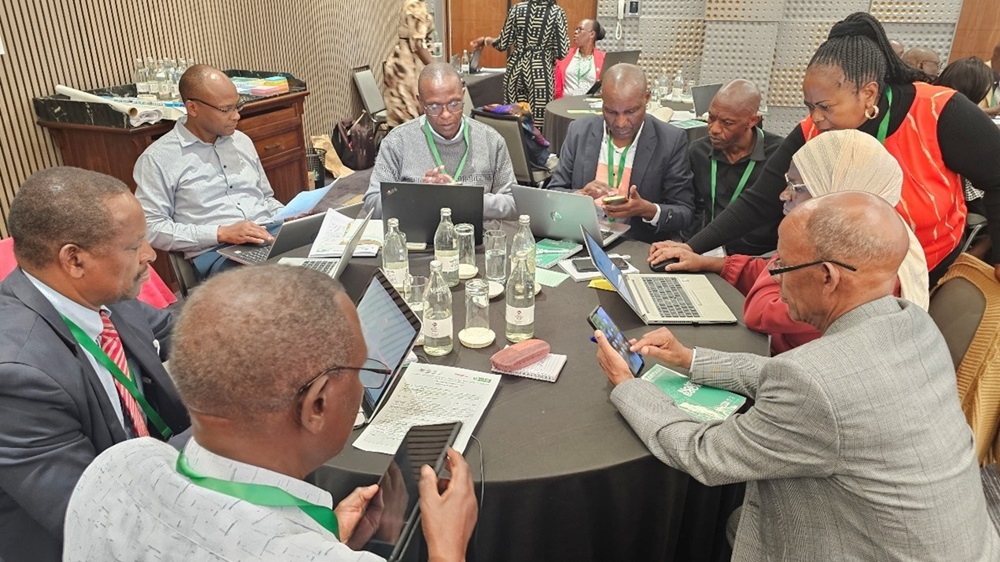
CABI has convened a plant biosecurity training and skills development workshop bringing together key players in Africa’s plant health ecosystem keen to help the continent’s smallholder farmers improve their livelihoods and food security.
Expertise in biological control highlighted at workshop aimed at catalysing biopesticide use in Africa

CABI scientists have highlighted their expertise in biological control agents to sustainably fight crop pests and diseases at a workshop aimed at catalysing the development of the biopesticides industry and building regional harmonization to help ensure that farmers have access to biopesticides across Africa.
CABI shares expertise on crop pest management in Africa with Royal Society of Biology

CABI’s Dr MaryLucy Oronje has shared her expertise in sanitary and phytosanitary (SPS) measures pertaining to crop pest management in Africa as part of an event organised by the Royal Society of Biology. Dr Oronje, who is based at CABI’s regional centre for Africa in Nairobi, Kenya, was keynote speaker at the event which was…
Africa’s youth unemployment challenge needs a revolution in order to sustain global development
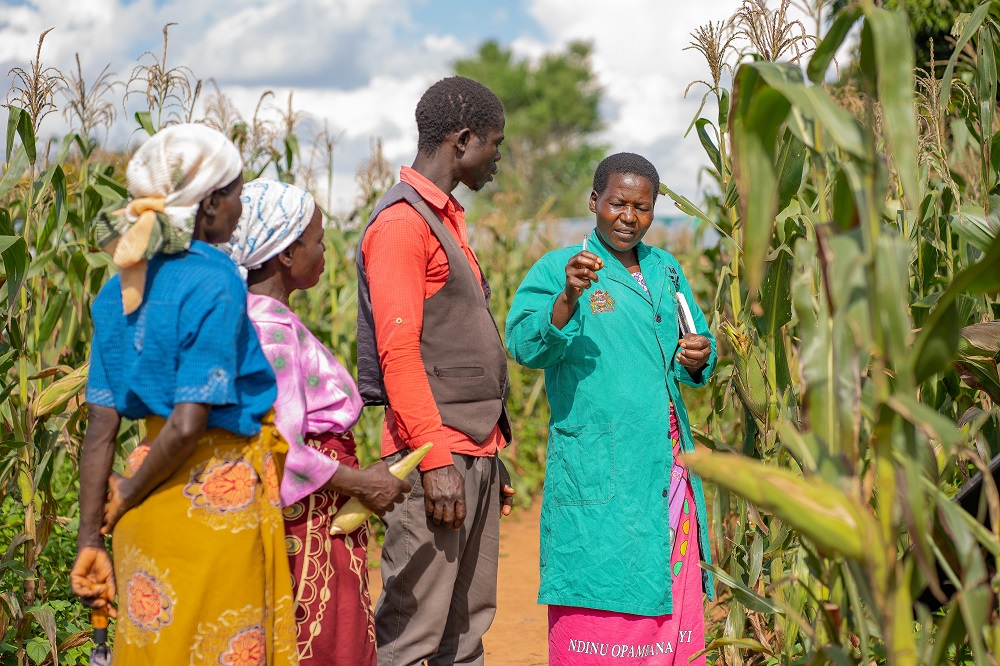
It’s a startling statistic but by 2050 Africa’s population is expected to double to around 2.6 billion. This creates greater pressure to feed so many mouths amid the challenges of economic, political and societal instability let alone the impacts of climate change.