
Food security is not only a core Sustainable Development Goal (SDG 2: Zero Hunger). It is a goal that is well within our reach. According to the FAO, the world already produces enough food to nourish everyone.
Globally, around 645 million people face hunger and 2.69 billion cannot afford a healthy diet. However, innovation and science are transforming some of the most critical aspects of food production. On World Food Day, here are four ways we can work together in partnership to help achieve food security worldwide.
Reducing pesticide risk for tomorrow’s safer food production
One of the most important ways to safeguard food security is to better protect crops from pests and diseases. Synthetic pesticides have contributed significantly to improving yields, but evidence shows that some ingredients pose risks to human and animal health, the environment and its biodiversity. They can often lead to pesticide resistance, harmful runoff, and the harming of beneficial insects.
Globally, governments, businesses, and civil society are working to reduce reliance on synthetic pesticides, especially highly hazardous pesticides (HHPs). Doing so means taking coordinated action across the food system, increasing yields while reducing risks. This includes strengthening policy environments, improving production practices, and investing in research that supports effective, lower-risk alternatives.
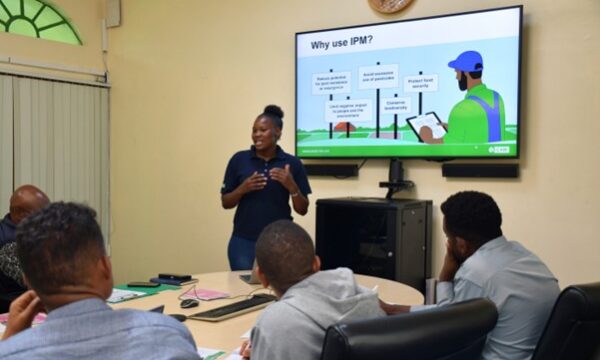
Innovation is critical. On a practical level, we can improve the availability of lower-risk plant protection products by developing new policies and tackling the regulatory barriers that hinder their introduction. We can also develop practical integrated pest management (IPM) approaches that support pesticide risk reduction. Moreover, we can better equip people working across the food value chain with the knowledge they need to adopt affordable, locally effective lower-risk options. This also includes improving the quality and availability of bioprotection products.
Using bioprotection products and nature-based solutions to protect crop health
This last point is central to reducing pesticide risks. Bioprotection products help to safeguard food production while also protecting the planet’s biodiversity and the natural resources upon which agriculture depends. Bioprotection products are made with human health and the environment in mind. They have their origins in nature, causing less disruption to the environment compared with conventional pesticides.
Innovation in the bioprotection market is growing, but a lack of awareness and knowledge about them are slowing down widespread adoption. Forward-thinking tools such as the CABI BioProtection Portal can help to bridge this gap. The Portal provides practical information and a direct connection to bioprotection manufacturers, putting natural solutions at the fingertips of growers and the people who advise them.
Smart and sustainable farming solutions are central to long-term food security. As climate change worsens and global population increases, we must feed more people using the same or fewer resources. This puts pressure on food systems. As the spread of crop pests and diseases becomes more unpredictable, bioprotection products can contribute to resilient farming systems and a more sustainable food supply.
Using digital advisory tools to reach more farmers with agricultural know-how
The CABI BioProtection Portal is just one of many innovative digital tools that CABI has developed in partnership to reach a greater number of farmers with evidence-based agricultural knowledge. The effects of climate change impact many aspects of farming, for example, making weather patterns more erratic. This, in turn, makes access to accurate and timely information increasingly important.
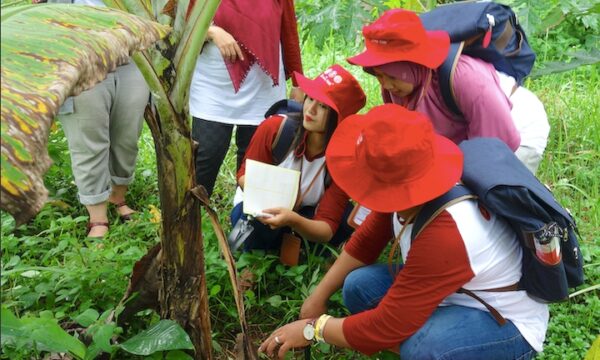
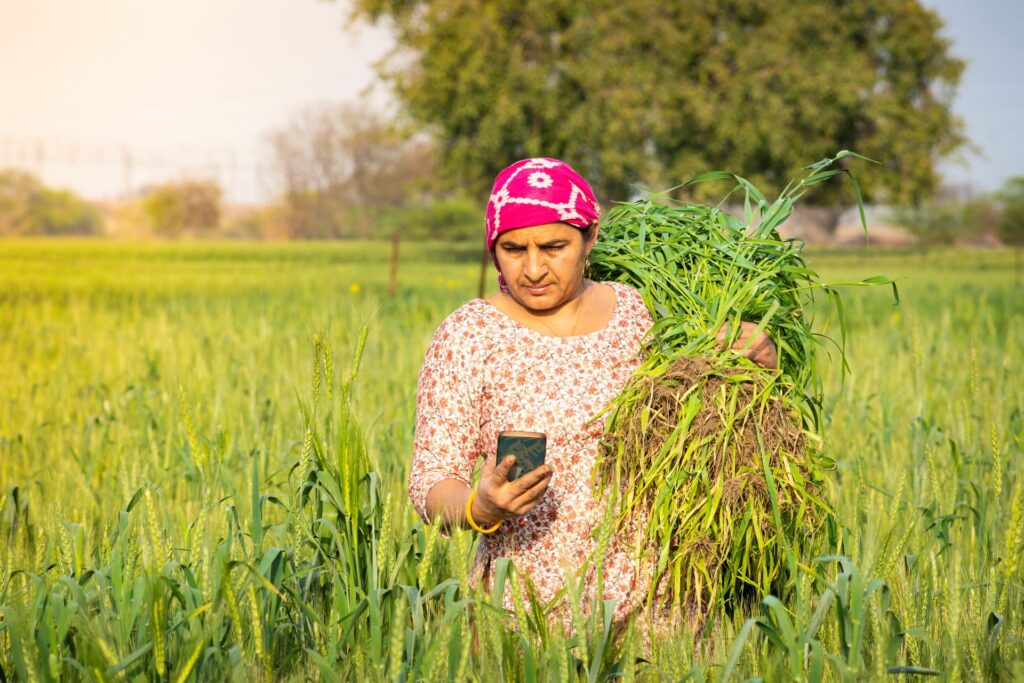
Mobile-based digital tools can help to connect extension advisers with farmers, helping them to adapt and become more resilient. Tools such as the PlantwisePlus factsheets app and knowledge bank provide agricultural extension services with timely information about the spread of pests and diseases. They help them to give informed advice to farmers, who can then implement evidence-based pest management approaches to protect their crops.
Digital tools also increase the reach of agricultural knowledge, bringing information to the people who need it most. Women are often on the frontline of farming but have limited access to the skills and techniques needed for climate adaptation. Digital tools, when used in a targeted way, can help women to play a greater role not only in crop production, but also agri-business and income generation.
Ensuring everyone has access to agricultural knowledge for food production
Innovation is not always just about technology. Sometimes it is about the ways in which people are empowered within communities. Extension and outreach to women farmers is a case in point. The FAO estimates that if women were given the same opportunities as men in agricultural production, they could grow enough food to feed another 100-150 million people worldwide. Innovative models of reaching women farmers with farming know-how are helping to make a big difference, not only to individual women, but to their families and the communities they support.
Over the past few years, CABI has developed gender technical working groups in countries such as Ghana, Pakistan and Zambia, bringing together a wide range of stakeholders to address this exact issue. The groups promote gender equality and support women in agricultural systems. The groups form a hub for stakeholders to take cooperative action on a local level. They encourage engagement in communities, for example through training in gender awareness. Members work proactively to unite people working in this field. The result is a synergy that helps those working on gender and agriculture to reach a greater number of women and create a ripple effect of impact throughout rural communities.
Looking to the future
Innovation in agrifood systems takes many forms. It can reveal itself as innovation in science and technology or cutting-edge training models and outreach. It can arrive in the form of policy developments and the creation of new markets for sustainable agricultural inputs. As the FAO highlights, innovation can also mean reducing risk before crises emerge, strengthening resilience to avoid higher costs once climate shocks take place.
Taken together, these innovations can build agrifood systems that are more resilient and secure, able to support food production today and safeguard it for years to come in the face of global warming and population growth. Collaboration and funding are critical since no organization can address these challenges alone. Innovation in agriculture is critical and can translate into measurable impact, showing that investment in science and technology translates into tangible results in food security on the ground.
Further information
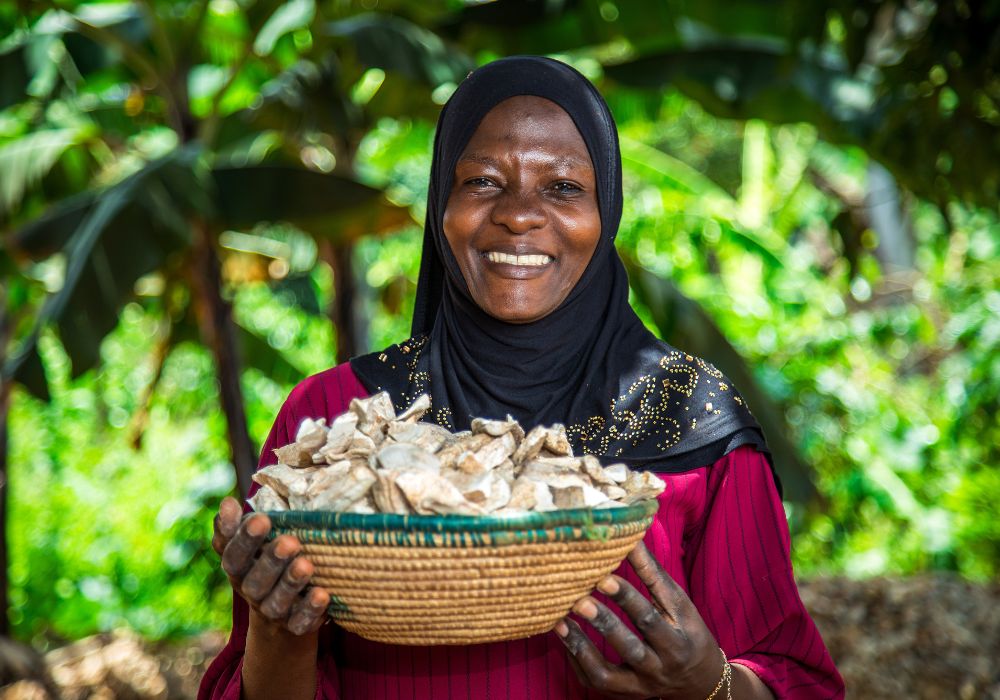
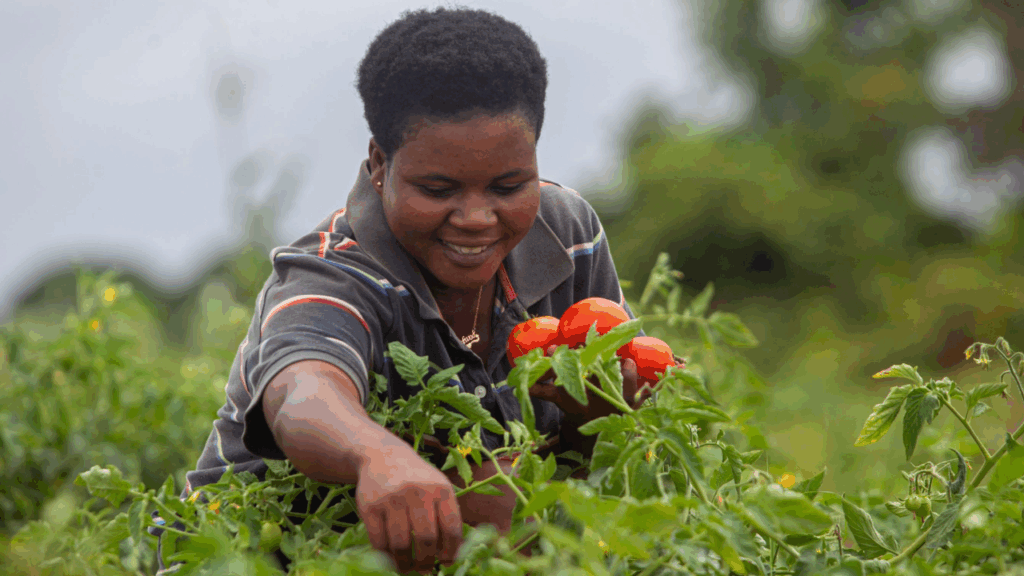
Main image: Female farmer in Uganda working towards food security for her family. Credit: CABI
Related blogs
Related News & Blogs
Pest management in Ecuador: How farmer knowledge and access to alternatives can reduce pesticide risks
Pest management in Ecuador and overreliance on chemical pesticides raise serious concerns for environmental sustainability and public health. Discover how farmer knowledge and access to alternatives can reduce pesticide risks in the country.
8 October 2026