

Food security is within our reach – if we innovate today, we can feed more people tomorrow
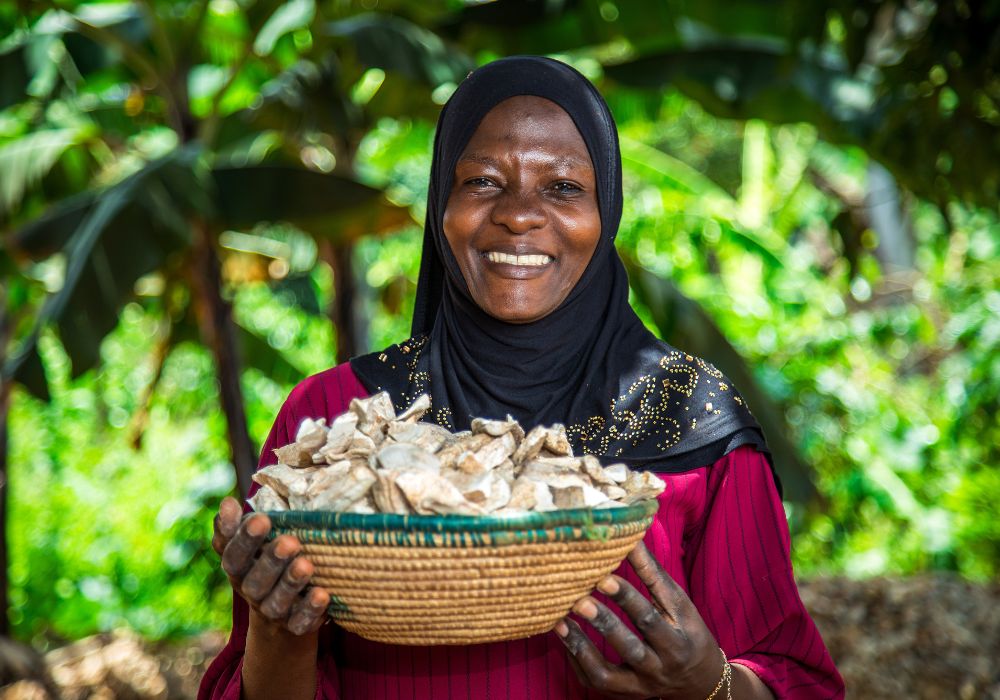
Food security is within our reach. Discover four ways innovation is helping to build more resilient agrifood systems, from bioprotection products and digital advisory tools to pesticide risk reduction and empowering women farmers.
Pest management in Ecuador: How farmer knowledge and access to alternatives can reduce pesticide risks
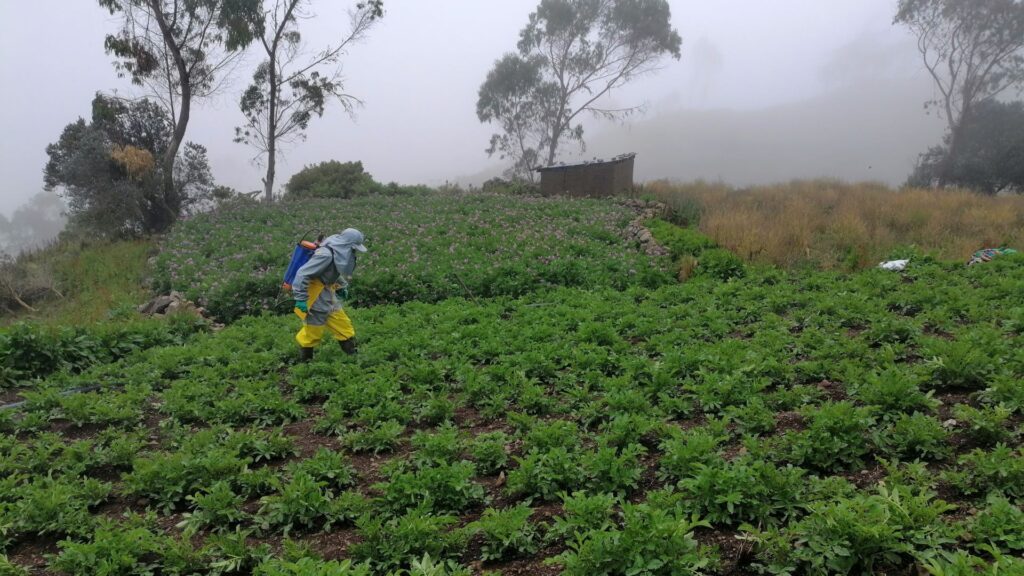
Pest management in Ecuador and overreliance on chemical pesticides raise serious concerns for environmental sustainability and public health. Discover how farmer knowledge and access to alternatives can reduce pesticide risks in the country.
Regional knowledge exchange advances pesticide risk reduction in Ethiopia
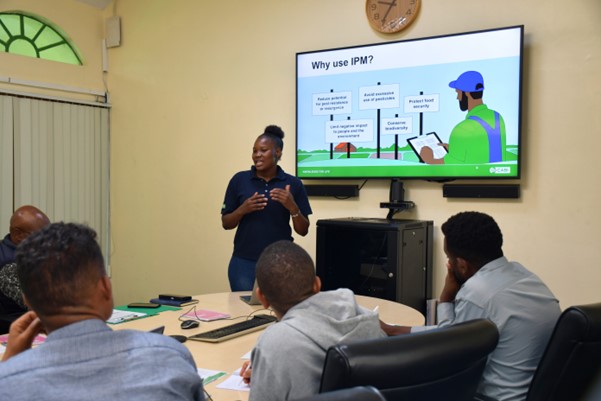
Across Ethiopia, smallholder farmers continue to face growing pressure from pests that threaten horticulture production, incomes, and food security. In response, many rely heavily on chemical pesticides, sometimes as the only available option. How do we shift from short-term pest control to long-term resilience? Increasingly, the solution lies in pesticide risk reduction approaches like Integrated…
Pesticide risk reduction supports sustainable food systems – here’s how

Reducing pesticide risks protects farmers, consumers, and the environment. On World Food Day, CABI highlights how safer, science-based pest management supports sustainable food systems and strengthens food security.