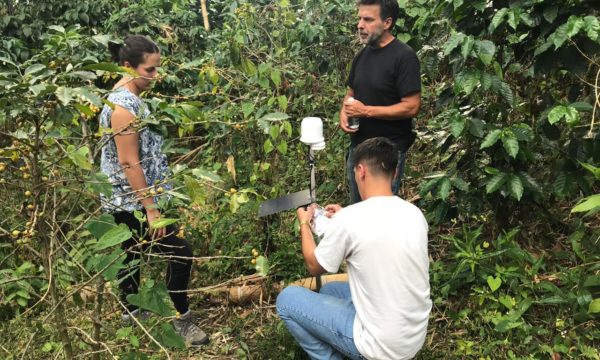

In Colombia, coffee berry borer (CBB) affects an estimated 75% of coffee crops, one of the most important pests affecting coffee production. Climate change is also contributing to its spread into higher-altitude coffee-growing areas, increasing the need for effective and sustainable approaches to pest management.
Using biological solutions to tackle a major coffee pest
One potential response which is gaining momentum across Latin America is the use of bioinputs, including biological control agents such as fungal biopesticides. These products can provide alternatives to conventional chemical inputs and, when used appropriately, can support more sustainable crop protection while reducing environmental impacts. CABI is exploring how biological control can be made more effective for coffee farmers through its ‘Digital innovation to protect Colombian coffee farms and farmers’ project.
As part of the project, CABI scientists identified suitable conditions for the growth of a fungal biopesticide used to control CBB. This information is being incorporated into an early-warning system, helping identify appropriate periods for biological control applications. The system combines this biological knowledge with climatic and field data to provide farmers with advance warnings of potential CBB outbreaks, giving them time to access and apply appropriate control measures.
The project illustrates an important consideration for the wider adoption of bioinputs. Developing biological solutions is only part of the challenge, as farmers also need the information and technical support to know which solutions to use, and when and how to use them effectively.
Strengthening Colombia’s bioinputs ecosystem
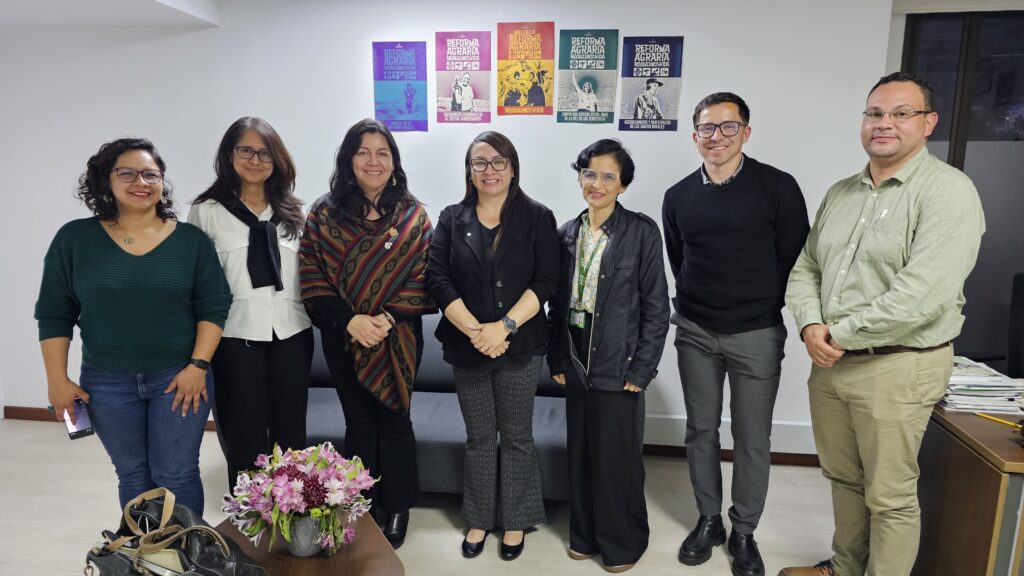
This practical work sits alongside wider efforts in Colombia to strengthen the production and use of bioinputs. The country’s National Bioinputs Programme provides technical and financial support to strengthen, equip and formalize family, community and regional biofactories, with a particular focus on smallholder producer organizations. Its implementation is also supporting the development of local bioinput production, reducing dependence on imported agricultural inputs and helping biofactories meet the requirements for registration with the Colombian Agricultural Institute (ICA).
For bioinputs to move from development and production to wider adoption, however, farmers, advisors, researchers and policymakers also need access to reliable, science-based information. CABI’s collaboration with ICA supports this through the CABI BioProtection Portal, with information on biological plant protection products registered for use in Colombia being updated to help stakeholders identify appropriate solutions for specific crops and pest challenges.
Encouraging greater regional collaboration
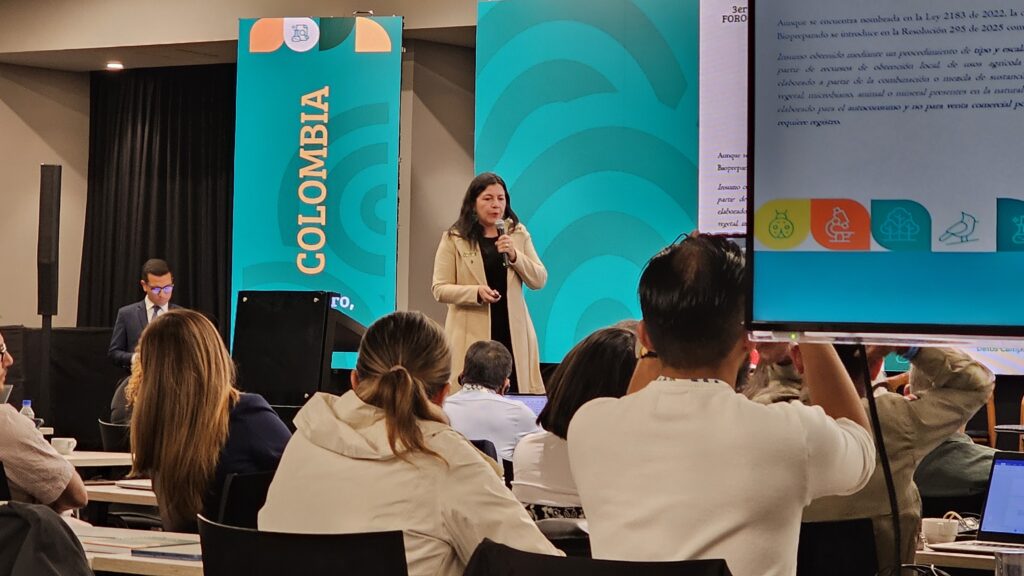
These issues were also highlighted during the III Pan-American Forum of Bioinputs, held in Colombia in 2025 and organized by the Inter-American Institute for Cooperation on Agriculture (IICA). The Forum brought together governments, research organizations, the private sector and development institutions to discuss approaches to advancing sustainable agriculture and strengthening the use of biological solutions across the Americas.
Vice-Minister of Agricultural Affairs Geidy Xiomara Ortega Trujillo presented Colombia’s National Bioinputs Programme, highlighting the country’s efforts to strengthen production and use of biological inputs.
“Strengthening the production and use of bioinputs is an important part of Colombia’s efforts to promote more sustainable agriculture. By supporting local production and strengthening collaboration and knowledge exchange, we can help make biological solutions more accessible to farmers,” said Ortega Trujillo.
Representing CABI, Dr Yelitza Colmenarez, Centre Director, Brazil, contributed to discussions on biocontrol and technology transfer, highlighting the importance of combining access to biological solutions with the knowledge and support needed to use them effectively.
“Biological solutions can play an important role in more sustainable crop protection, but their adoption depends on more than having the right products available. Farmers also need access to reliable information, appropriate technologies and the technical support to use these solutions effectively,” said Colmenarez.
The Forum provided an opportunity to strengthen knowledge exchange and collaboration around bioinputs, while highlighting the importance of supportive policies and practical approaches to increasing their use across the region.
Supporting wider adoption of bioinputs
Colombia’s experience illustrates how policy, practical innovation and access to reliable information can work together to support the adoption of bioinputs. National programmes can help create the conditions for local production, while research and innovation can help develop practical biological solutions. At the same time, knowledge platforms and collaboration can help ensure that farmers and other agricultural stakeholders have the information they need to use these solutions effectively.
As countries across Latin America strengthen their approaches to biological crop protection, Colombia’s experience offers lessons for wider regional efforts to make sustainable solutions more accessible to farmers. Collaboration between governments, research organizations, development institutions and the private sector will be essential to scaling these approaches and supporting more sustainable production systems and resilient agricultural communities across the region.
Through its work with national and regional partners, CABI is contributing to this process by connecting research, biological solutions, digital innovation and practical knowledge to help move bioinputs from development towards effective use in the field.
About the CABI BioProtection Portal
The CABI BioProtection Portal is the world’s largest free resource for information on registered biological plant protection products. It provides accessible, evidence-based information to help users identify biological solutions for specific crops and pest challenges.
More information
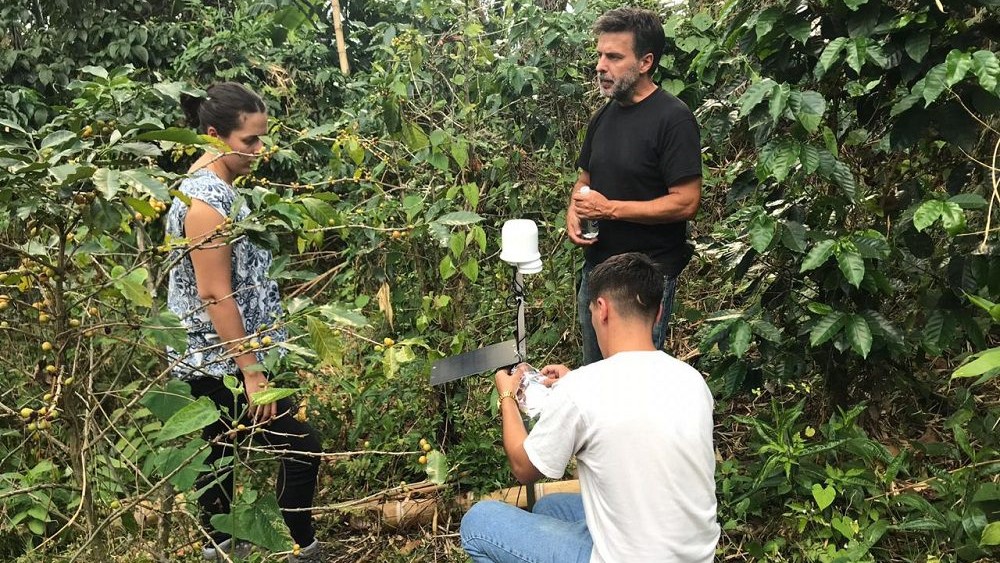
Top image: Dr Steve Edington, Biopesticides Team Leader UK, CABI, examining field station with his team as part of the ‘Digital innovation to protect Colombian coffee farms and farmers‘ project
Visit the CABI Brazil centre web page
Related News & Blogs
CABI strengthens regional collaboration in Latin America to help advance sustainable agriculture and food security
CABI has been busy working to strengthen regional collaboration in Latin America, helping to advance sustainable agricultural production and food security, including the development of more environmentally friendly methods to combat crop pests and dise…
4 September 2025