
As we mark the International Day for Biological Diversity 2026 under the theme “Acting locally for global impact,” this moment reminds us that meaningful change begins where people feel the challenges most deeply. Reflecting on the theme, CABI’s Global Director, Invasive Species, Dr Hariet Hinz, emphasizes that local action, grounded in science and knowledge, is what transforms global ambition into measurable impact on the ground.
Biodiversity loss is no longer a distant threat. It is accelerating globally, placing growing pressure on ecosystems and narrowing the window for effective action. We are already feeling these changes across the systems that sustain human life, from the food we grow and the water we depend on to the resilience of the landscapes around us.
At CABI, this principle is reflected in Strategy Goal 4: safeguarding biodiversity and supporting the sustainable use of natural resources. We deliver practical, science-based solutions that restore ecological balance while supporting sustainable livelihoods. Our work spans the biological control of pests, diseases, and weeds, alongside integrated efforts to manage invasive species that threaten biodiversity, food systems, and ecosystems. Our publishing work, including the newly launched CABI Multifunctional Landscapes Journal, help translate science into accessible information that informs policy and practice.
Turning strategy into action
Across our work, we deliver biodiversity protection through practical, locally grounded approaches that address real-world challenges. CABI is a global leader in nature-based solutions, delivering biological control solutions for pests, diseases, and weeds that reduce environmental harm and support ecosystem recovery. This includes developing and releasing biological control agents to manage priority pests, including emerging invasive species, while also increasing access to and use of low-risk bio protection products that help conserve biodiversity and protect ecosystems.
One example is how science-led biocontrol is helping to restore Europe’s waterbodies through cross-border collaboration. CABI scientists have developed and released natural enemies to control invasive weeds such as Hydrocotyle and Crassula. Early trials in the UK show ecosystem recovery, with partnerships now expanding releases in the Netherlands. Additionally, through CABI’s PlantwisePlus programme, we strengthen systems that protect both agriculture and biodiversity by improving pest management, reducing pesticide misuse, and supporting healthier crops that, in turn, help to sustain livelihoods.
CABI’s Landscapes Initiative is making strong progress by working with communities, national and sub-national government organizations, and other partners to restore degraded ecosystems, improve rangeland management, and manage invasive species. Using an Integrated Landscape Management approach, it promotes inclusive participation, co-creation, and collaboration among key stakeholders from different sectors and scale.
Collaborating with communities to find solutions
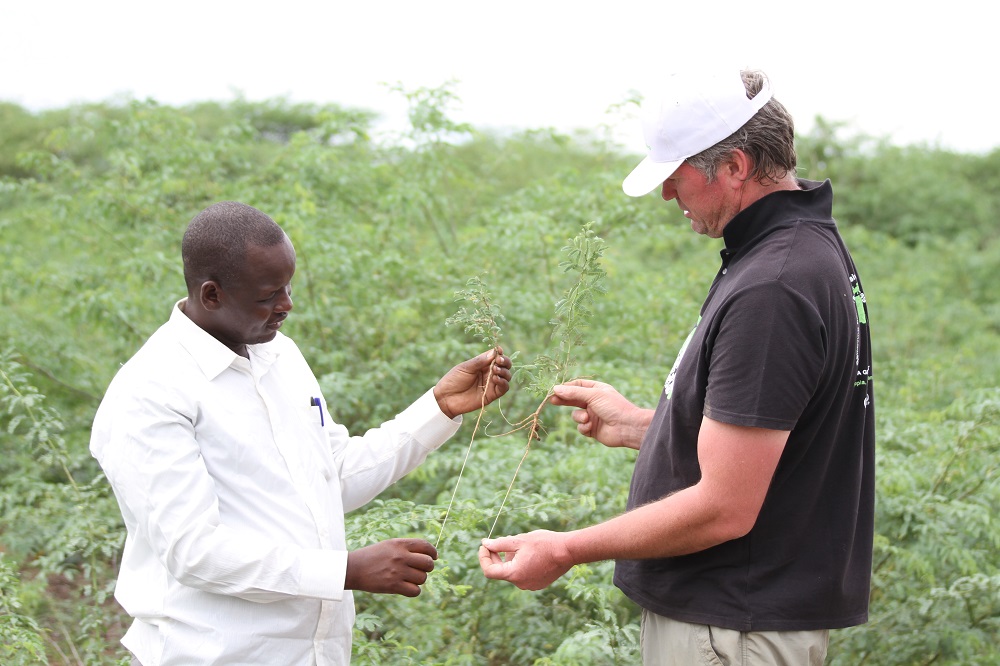
In East Africa, CABI has worked with partners to manage the spread of the invasive tree Neltuma juliflora (prosopis). Building on two Woody Weeds projects, we developed coordinated and effective responses that place local communities at the centre of action. We engaged communities to design spatially explicit plans on where and how to manage this highly invasive tree. Through this work, stakeholders strengthened collaboration and generated valuable insights on more effective control strategies. This, in turn, created opportunities to restore biodiversity and revive native ecosystems.
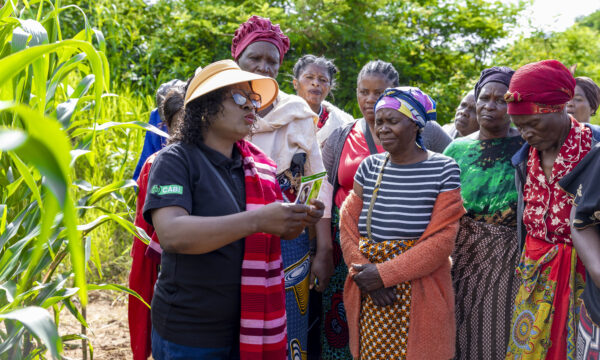
Additionally, a CABI–led landscape restoration initiative in northern Tanzania, shows how collective action drives change when communities have the right knowledge and tools. Maasai communities reclaim grazing lands invaded by prosopis through training, community exchanges, and peer-to-peer learning that strengthens coordination and drives joint action. As a result, herders now actively uproot even the smallest plants to prevent regrowth, while communities pool resources to sustain restoration efforts. This shows strong ownership and a shared commitment to protecting their land and livelihoods.
The threat of invasive species
Invasive alien species remain a major driver of biodiversity loss globally. A 2023 Intergovernmental Science-Policy Platform on Biodiversity and Ecosystem Services assessment estimated their economic impacts at more than USD 423 billion annually. CABI’s work continues to focus on prevention, early detection, evidence-based response, and long-term management and restoration.
Recent findings highlight the urgency of this work. Surveys show that Lantana camara now spreads widely across eastern and Southern Africa, reinforcing the need for coordinated monitoring and response systems. These include roadside surveys and community-based “look and learn, connect and act” approaches that help detect and manage invasions early. At the same time, emerging evidence on Opuntia stricta suggests it could cost Sub-Saharan Africa up to USD 307 billion over the next 50 years if not effectively managed reinforcing the need for early, locally led intervention strategies. Our ongoing work, including our activities to control Opuntia engelmannii in Naibunga Conservancy, Laikipia county, Kenya, builds on this approach. We support the community to control this invasive cactus using a highly specific biological control agent, a small but very effective cochineal insect.
Local, practical, and science-led action driving biodiversity restoration
As we reflect on this year’s theme, the evidence is clear: the threat is growing, and local action holds real power to drive global change. From restoring waterbodies in Europe to rehabilitating rangelands in East Africa, from strengthening farming systems in South Asia to advancing global biodiversity knowledge, CABI demonstrates that, ultimately, solutions work best when they are rooted in local realities. Furthermore, when communities, institutions, and countries have access to the right scientific information, partnerships, and tools, local action becomes scalable, measurable, and lasting.
Ultimately, global biodiversity recovery will not be achieved through high-level commitments alone, but through sustained, coordinated efforts on the ground. Acting locally is therefore a pathway to lasting global impact and a more sustainable future for all.
More information
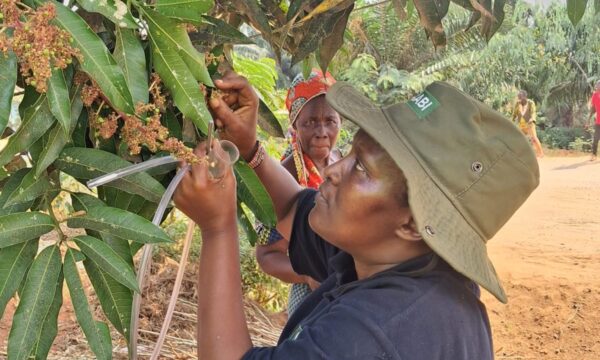
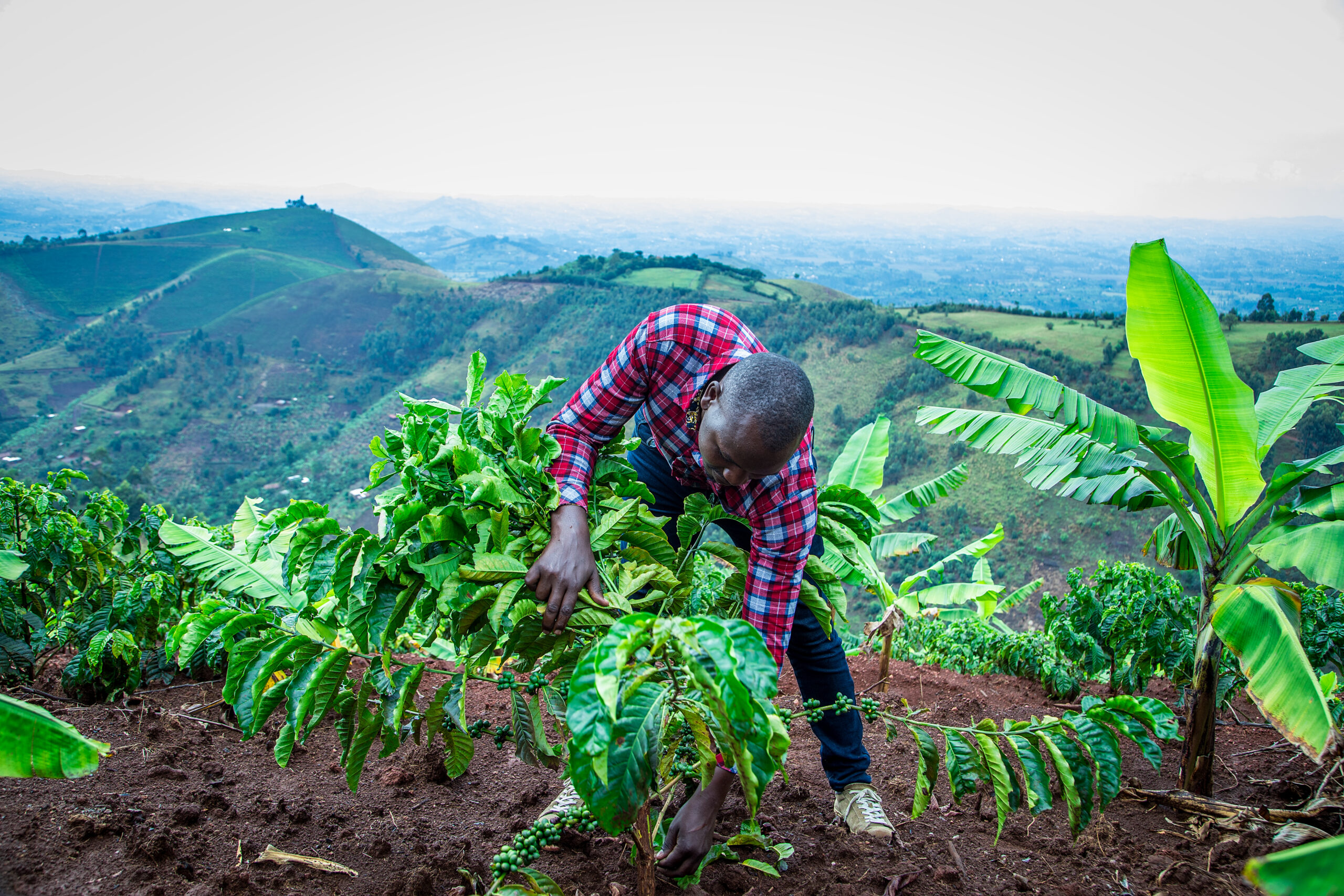
Picture caption: A farmer in Uganda examines his crops as part of daily field management (credit: Media Factory, Uganda)
Additional links
- CABI’s strategy Goal 4:Safeguard biodiversity and support the sustainable use of natural resources
- CABI supports release of biological control agents to fight invasive weeds in the Netherlands
- Safeguarding biodiversity and supporting the sustainable use of natural resources
- CABI Multifunctional Journal
- Biodiversity loss: How can we reclaim our landscapes from threats to biodiversity?
- CABI Landscapes Initiative reports major progress across Eastern Africa
PlantwisePlus
- Understanding invasive species in agriculture: introduction, impact, and management
- Horizon scanning for climate-driven pest threats can prevent biodiversity loss
- Pest preparedness starts on the farm: Discover how Ghana’s farmers are helping protect crops
- PlantwisePlus develops agro-input dealer training scheme with Bangladesh government
Related News & Blogs
How ASEAN countries work together to strengthen plant health and protect agriculture
Regional collaboration across Southeast Asia is vital to manage biosecurity risks. Discover how networks like ASEANET and ARDN help countries strengthen plant health, share diagnostic expertise, and protect agricultural trade.
14 September 2026