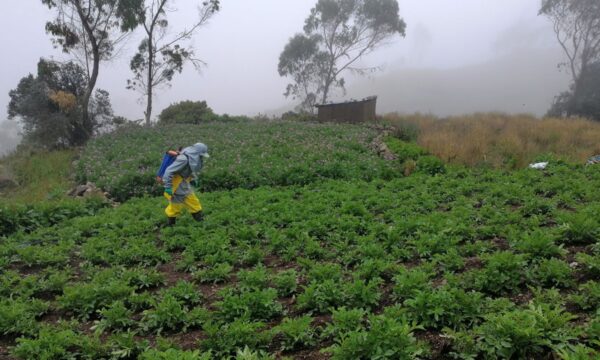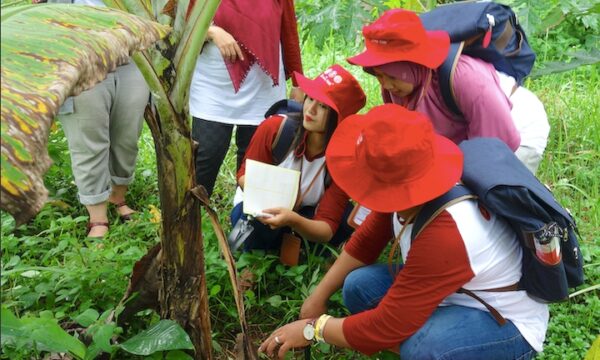

Across Ethiopia, smallholder farmers continue to face growing pressure from pests that threaten horticulture production, incomes, and food security. In response, many rely heavily on chemical pesticides, sometimes as the only available option. How do we shift from short-term pest control to long-term resilience? Increasingly, the solution lies in pesticide risk reduction approaches like Integrated Pest Management (IPM). A recent regional initiative between CABI and SNV in Ethiopia offers a useful lens into what this shift looks like in practice.
Improving food safety to improve lives
Under the Horti-LIFE III Project, implemented by SNV with funding from the Embassy of the Kingdom of the Netherlands in Ethiopia, CABI serves as a technical support partner, bringing its expertise in IPM and biocontrol into a long-term, system-wide effort. This partnership is part of a broader ambition to improve the livelihoods of more than 250,000 smallholder farmers across 165 districts in Ethiopia. By strengthening the adoption of IPM approaches, the initiative seeks to reduce reliance on chemical pesticides and promote safer, more sustainable solutions that protect farmers, consumers, and the environment.
As part of its role, CABI is developing ten crop-specific IPM protocols covering six vegetables and four fruits, integrating biological control products/measures where feasible. The organization is also producing farmer-friendly extension materials in local languages, training 107 Master Trainers, and providing ongoing technical support, monitoring, and evaluation.
Strengthening IPM protocols through evidence and collaboration
Significant progress has already been made. CABI conducted a study mapping existing IPM practices and key pests, developed IPM protocol structures, and led a four-day workshop in Bishoftu. The workshop brought together experts from SNV Ethiopia, the Ministry of Agriculture, Ethiopian Horticulture Producer Exporters Association, Ethiopian Agricultural Authority, WorldVeg, and PAN Ethiopia to refine protocols for crops including avocado, mango, papaya, tomato, banana, cabbage, onion, pepper, potato, and green beans.
The team is now reviewing the protocols and focusing the next steps on validation, translation, training, and dissemination. Once finalized, the protocols will help reduce pesticide use by 50% in selected Farmer Field Schools and ensure compliance with food safety standards.
Building capacity through hands-on training
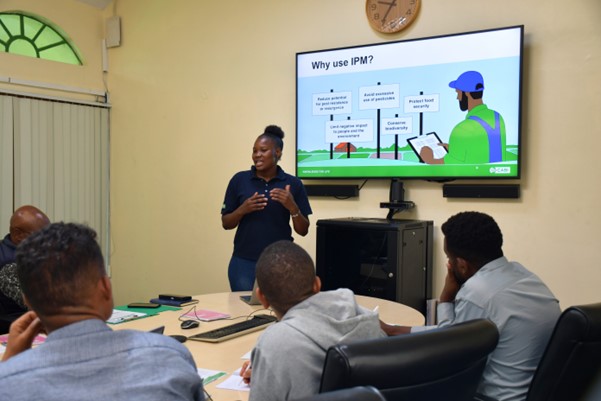
As part of the project, CABI recently hosted ten of SNV Ethiopia’s Master Trainers in Kenya for an intensive training and practical field visit focused on Integrated Pest Management (IPM) and biological control. The program gave trainers hands-on exposure to IPM approaches already in practice and showed them how biological control agents and products are effectively applied in real farming systems. The visit also deepened their technical understanding and strengthened their ability to cascade knowledge to farmers and other stakeholders across Ethiopia’s horticultural value chain.
During their visit, the team toured key biocontrol institutions, including the Crop Protection Biological Control Laboratory at the Kenya Agricultural and Livestock Research Organisation (KALRO) Muguga campus, where the CABI laboratory is hosted.The visit highlighted ongoing work on the biological control of papaya mealybug, as well as trials of microbial innovations and broader approaches to managing invasive species.
In addition, the team also visited Real IPM, International Centre of Insect Physiology and Ecology, Kenya Biologics, and Koppert Kenya, gaining practical insights into how solutions are developed and applied. These visits provided real examples, exposing participants to Kenya’s thriving biocontrol ecosystem, from research and regulation to commercialization and field-level application.
While receiving the trainers at CABI, Dr Daniel Karanja, Regional Director, CABI, explained the urgency: “Africa continues to face growing challenges from pests, diseases, residue management, resistance development, and market access requirements. Non-compliance with residue levels can lead to product rejection, impacting farmer incomes. Biopesticides offer practical and environmentally responsible solutions that support productivity, protect health, and facilitate trade.”
“By combining technical expertise with practical training and stakeholder collaboration, CABI is helping Ethiopia transition toward safer, more sustainable pest management.”
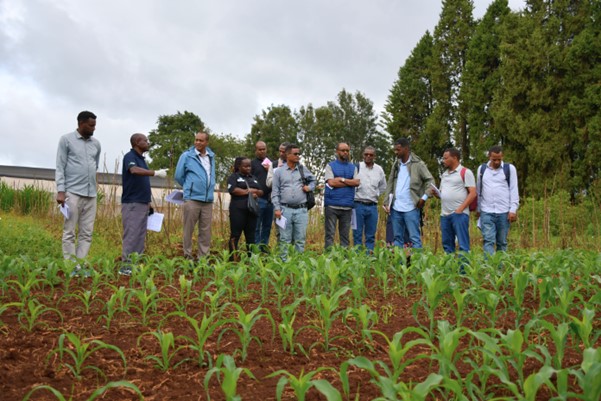
Ethiopia’s Path to sustainable pest management
“This is a strong example of how regional collaboration can accelerate transformation in horticulture,” said Dr Andnet Bayleyegn, Deputy Project Leader at SNV – HortiLife III Ethiopia. He noted that exposure to Kenya’s biocontrol ecosystem, from research and regulation to field application, offers practical lessons for Ethiopia.
He emphasized that master trainers are central to bridging research and practice. “With stronger skills in IPM and biocontrol, they can help farmers make informed decisions, adopt safer pest management practices, and improve productivity.”
He also pointed to key enablers for success, including supportive policy environments, stronger private sector engagement, and growing farmer awareness. Early access to affordable, well-packaged biocontrol products remains critical for smallholder adoption, where timing and accessibility are essential.
“Encouragingly, farmers are becoming more receptive to non-chemical solutions, reflecting a positive shift toward safer and more sustainable practices.With continued investment in capacity building and adaptive implementation, initiatives like Horti-LIFE III can help institutionalize IPM in national systems.”
Looking ahead, CABI experts will finalize their review of the draft IPM protocols and share them with SNV for further feedback. They will then hold a validation workshop with key partners to ensure the protocols are technically sound, contextually relevant, and aligned with national regulations. After validation, they will finalize the protocols and prepare them for implementation across target districts.
Additional information:
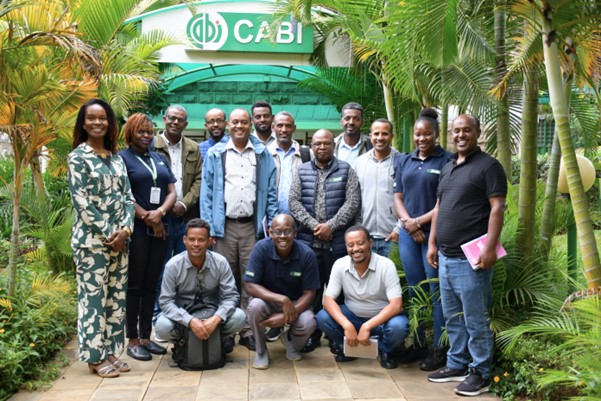
Main image: 10 SNV Ethiopia’s Master Trainers during their visit to CABI Regional Centre for Africa in Nairobi, Kenya.
Related News & Blogs
Food security is within our reach – if we innovate today, we can feed more people tomorrow
Food security is within our reach. Discover four ways innovation is helping to build more resilient agrifood systems, from bioprotection products and digital advisory tools to pesticide risk reduction and empowering women farmers.
15 October 2026