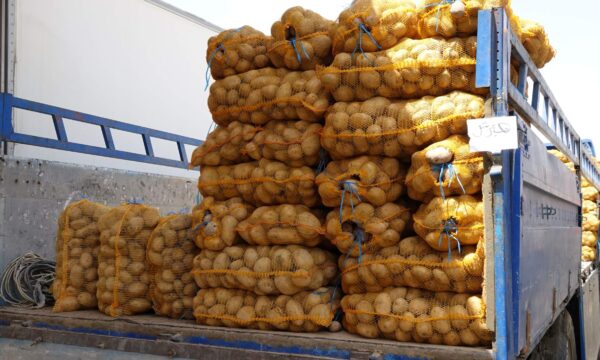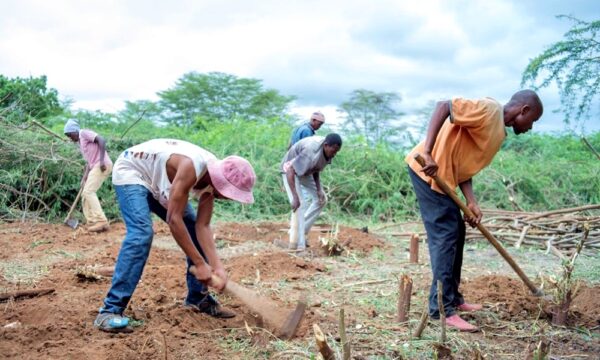

Around 828 million people still face hunger, and 3.1 billion cannot afford a healthy diet. Without transforming how food is produced and consumed, the world risks missing Sustainable Development Goal 2 , ending hunger and promoting sustainable agriculture, by 2030. At the same time, global food demand is projected to increase by up to 70% by 2050. This increase will place unprecedented pressure on both food systems and ecosystem health.
Meeting this challenge requires a new generation of professionals equipped with scientific knowledge and practical skills to build resilient and sustainable farming systems. In response, CABI is working with Imperial College London, on their new sustainable agriculture MSc that includes integrated pest management (IPM) training. Imperial College London’s MSc Living Planet with Sustainable Agriculture and Technology will prepare future agricultural technologists, scientists, and sustainability professionals for leading careers in sustainable agriculture. This programme strongly aligns with CABI’s mission and expertise in sustainable agriculture.
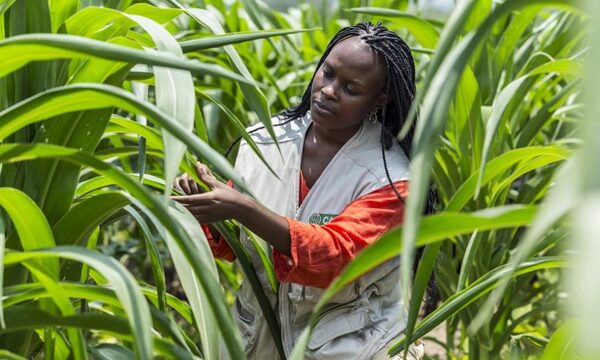
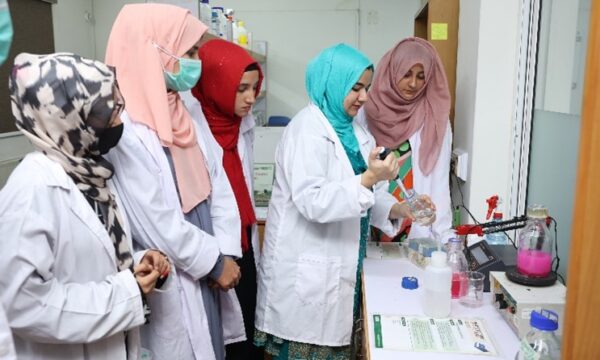
Students explore key areas such as biological control, integrated pest management (IPM), and agritech innovation. They also develop essential research skills in data science, Geographic Information Systems (GIS), genomics, and bioinformatics. These tools are essential for modern agricultural research and informed decision-making.
A century of leadership in sustainable agriculture
By working with Imperial College London on the Sustainable Agriculture MSc, CABI contributes its expertise directly to student learning by delivering teaching in Integrated Crop Management (ICM), including Integrated Pest Management (IPM) and biological control. Through these modules, students gain practical, science-based skills that support sustainable farming systems. They also have the opportunity to engage in real‑world projects that address pressing global food security challenges.
For over 100 years, CABI has provided practical, science‑based solutions to agricultural and environmental problems, with expertise in IPM, biological control, invasive species management, pesticide risk reduction, and sustainable farming. Building on this foundation, CABI applies science to practice by generating high‑quality evidence, developing proven innovations, and sharing essential knowledge with the communities that need it most.
Real‑world research to launch your career
A core part of the MSc is a five‑month independent research project, where students design their own study with an Imperial supervisor and may collaborate with CABI or other partners, or take a placement contributing to real‑world work. Projects range from testing biological control agents and assessing pesticide‑reduction strategies to developing IPM approaches, climate‑adaptation measures, or digital advisory tools. This blend of academic and practical training equips graduates to drive sustainable, resilient farming solutions across research, agritech, NGOs, and policy. They leave prepared to tackle pests, climate pressures, and improve environmentally responsible food systems.
Start your sustainable agriculture MSc journey
Find out more and apply by 29 April to gain skills in agricultural technology, IPM and shape your career in sustainable agriculture.
Additional information
● Living Planet with Sustainable Agriculture and Technology
● CABI and Imperial College London to collaborate on research regarding ecosystems and the environment
Related News & Blogs
Pesticide risk reduction supports sustainable food systems – here’s how
Reducing pesticide risks protects farmers, consumers, and the environment. On World Food Day, CABI highlights how safer, science-based pest management supports sustainable food systems and strengthens food security.
16 October 2025