
Smallholder farmers in Kenya, Zambia and Uganda invest significant time and labour into their farming activities, yet many continue to face a persistent knowledge gap. Traditional extension systems, which usually provide the support and advice to farmers, are often underfunded, understaffed, and overstretched. They struggle to reach every farmer.
In many rural areas, one extension officer serves thousands of households, leaving farmers to face pests, soil degradation, and unpredictable markets with little technical support. The results can lead to wasted effort, high crop losses, and stagnating incomes.
Creating change: from job seekers to trusted farm advisors
To close this gap, CABI-led programmes are changing the way agricultural support is provided by enabling job-seeking young people to establish themselves as trusted youth agripreneurs within their own villages.
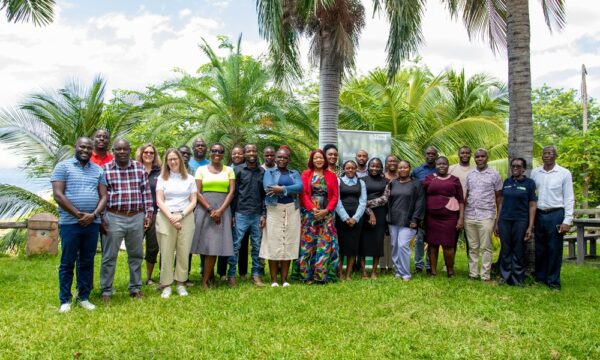
For example, under the PlantwisePlus programme, 1000 young people were provided with training and support to establish their own agribusinesses. These include micro-businesses to provide services to farmers including advice about pests and how to manage them. Also under PlantwisePlus, 900 young people were trained as Agribusiness Service Providers (ASPs), gaining both technical expertise and business acumen to deliver on-demand services to farmers.
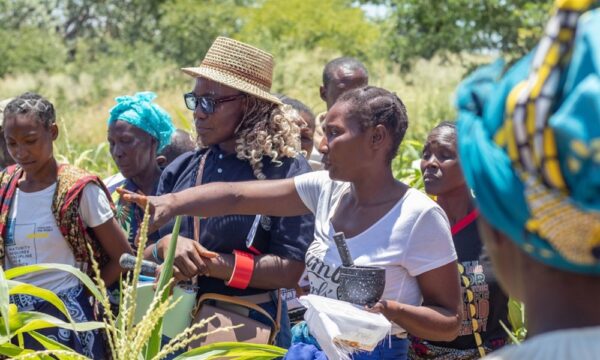
Meanwhile, under the Village-based Biocontrol of Fall Armyworm project in Zambia, over 100 young people were trained as biocontrol and agribusiness champions.
These approaches align with Goal 3 of CABI’s Strategy 2023-28 and the priorities of CABI’s 17 African Member Countries. The goal aims to reduce inequality through better opportunities for rural women and youth – creating new income and employment opportunities, which includes ASPs.
Bringing expertise closer to farmers
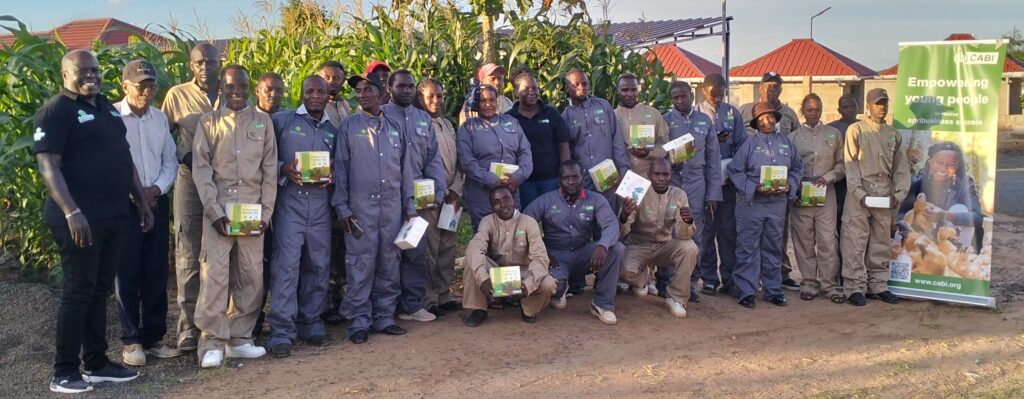
The community-based, peer-to-peer model helps overcome the bottlenecks of conventional extension and ensures that quality advisory services reach farmers directly at their farms. Youth ASPs now offer a bundle of tailored services, ranging from practical and timely guidance on integrated pest management and safe agrochemical use, to improved agronomic practice.
This includes guidance on soil fertility management, spacing, pruning, and grafting for higher yields and healthier crops. They also offer farm business support, such as training in record-keeping, budgeting, cost-benefit analysis and enterprise management.
Unlike remote government extension officers, ASPs live and work within the same communities as the farmers they support. Their proximity, reliability, and shared experiences make learning interactive, relevant, and trust based. To date, the ASP network has reached over 30,000 farmers, incorporating men, women, and youth. The model not only enhances farm productivity but also restores farmers’ confidence in agriculture as a profitable and sustainable enterprise.
Transforming yields, incomes, and lives
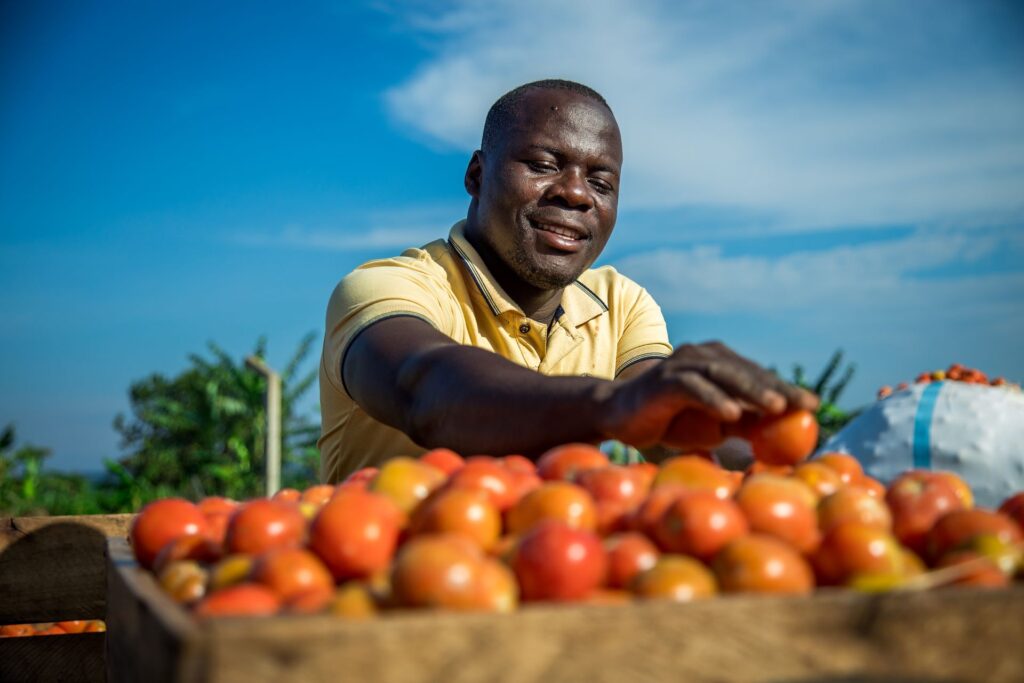
The impact of this youth-led model is clear in the field. In Uganda, a coffee farmer increased her dried coffee sales from 130 kg to 600 kg in a single season. This is after applying improved management techniques introduced by her local ASP. In Kenya, mango farmers who once lost up to 50% of their harvests to pests now report losses of just 10%, following youth-led spraying and pruning interventions. These resulted in significantly higher incomes.
Beyond better harvests, farmers are gaining a deeper understanding of the science behind productivity. These include the benefits of line planting for beans, timely pest control, and balanced fertilizer use. The approach has also delivered social advantages, including more transparent decision-making and reduced household tensions. Under youth guidance, families are encouraged to manage and share their harvest more openly.
As one farmer explained, “The youth are more accessible. They come to our farms and explain things in a way we understand. Traditional officers rarely visit.” Such feedback underscores how the ASPs have become trusted farm companions, closing the last-mile knowledge gap and helping farmers turn information into tangible gains.
Scaling up the success
CABI’s approach to engaging with youth demonstrates that they can not only thrive within agriculture but also help to drive its future. Acting as credible, community-based messengers, they are helping farmers adopt climate-smart, safe, and profitable farming practices. When supported with structured training, mentorship, and entrepreneurship, youth engagement can simultaneously reduce unemployment and strengthen agricultural resilience.
To sustain and scale these gains, investments are needed in demonstration plots for farmers to learn new approaches. Reliable transport and digital tools to expand outreach are two such examples. This is in addition to fair and formalized payment systems that ensure ASPs’ services are sustainable.
Strong partnerships with county governments, agribusinesses, and financial institutions will be key to integrating these youth professionals into broader service delivery systems.
By empowering youth as knowledge brokers and innovation catalysts, countries in East Africa can ensure that the extension gap remains closed and that farming communities continue to thrive. The evidence is clear: when youth lead, farmers grow and agriculture prospers.
More information
● CABI report: Creating agri-food work opportunities for young people in Africa – 2025
● PlantwisePlus programme
● Village-based biological control of fall armyworm in Zambia project
News and blogs
● Empowering the next generation: Strategies for youth-inclusive agricultural training and engagement
● CABI’s support for Africa’s youth leading agricultural transformation voiced at Africa Food Systems Forum
● “Positive youth engagement programmes empower young people to reach their full potential”
Featured image
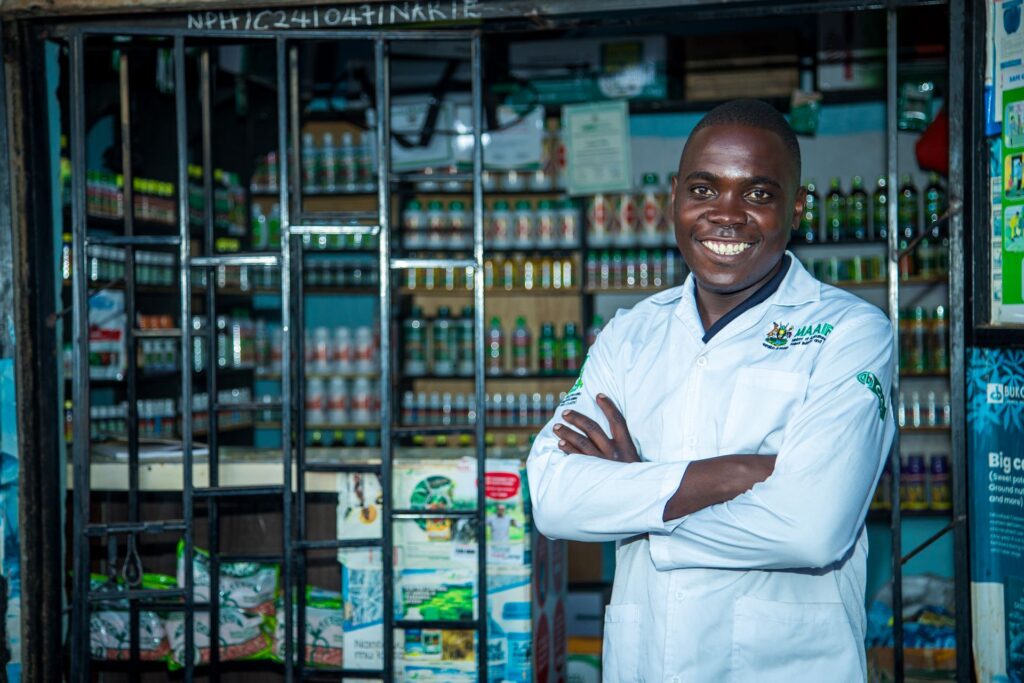
Seryazi Abdul, a CABI trained service provider in front of his agro-input dealer shop in Uganda (credit: CABI).
Related News & Blogs
Closing the gaps: Food safety and women’s empowerment in Uganda’s agrifood policies
A study recently published in Frontiers in Sustainable Food Systems examines the connection between food safety and gender in Uganda’s agrifood policies. The research, led by CABI scientists and supported by CABI’s PlantwisePlus programme and AWARD, hi…
9 April 2026