

Reaching 1,000 farmers with plant health advice in Kurdistan Region of Iraq
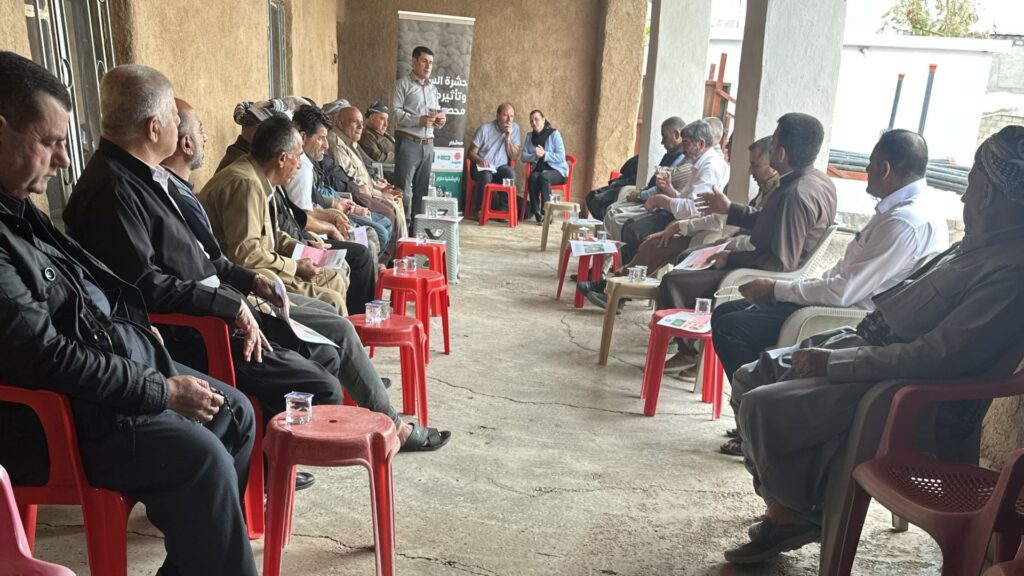
Fast-paced pest outbreaks and plant diseases are a constant threat to farmers’ crops and livelihoods in Duhok, Kurdistan Region of Iraq. Without timely training and advice by extension officers, farmers miss out on critical knowledge to combat these threats. To help close this information gap, agricultural extension teams tried a new approach by taking plant…
Transforming women’s empowerment in agrifood systems
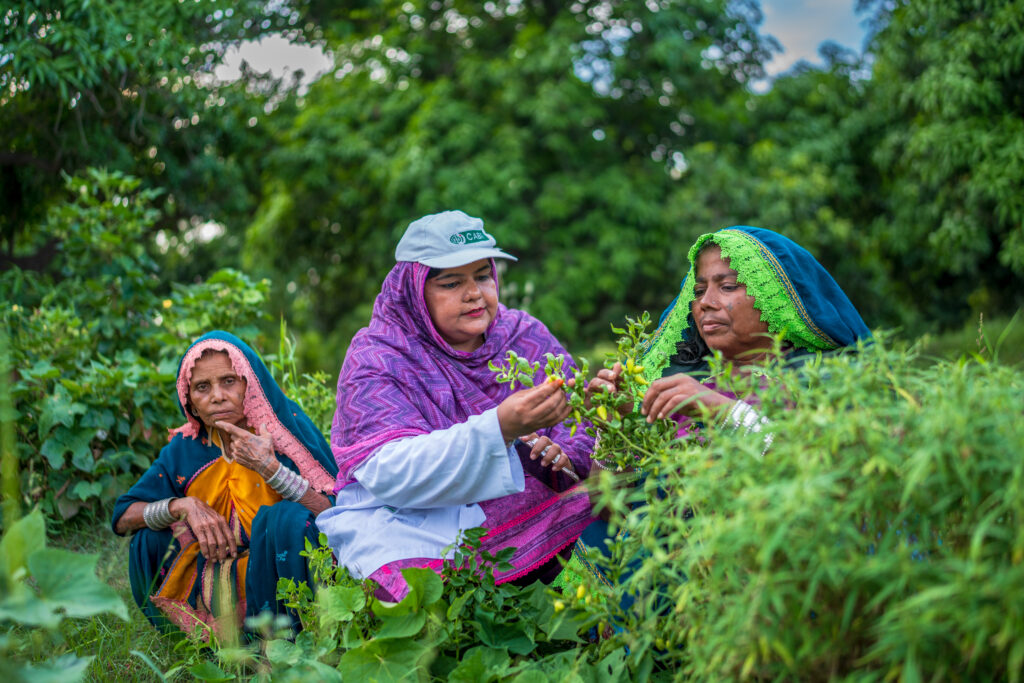
Women in agrifood systems are essential. They constitute over 50% of the agricultural workforce (FAO, 2023), with roles throughout the food value chain supporting the production of over half of the world’s food. However, studies show that they produce 20-30% less than men. As a marginalized group, they face unequal control of and access to resources. If male-female differences in access and yields were overcome, the number of undernourished…
CABI hosts panel to discuss youth engagement for biological control of fall armyworm in Zambia
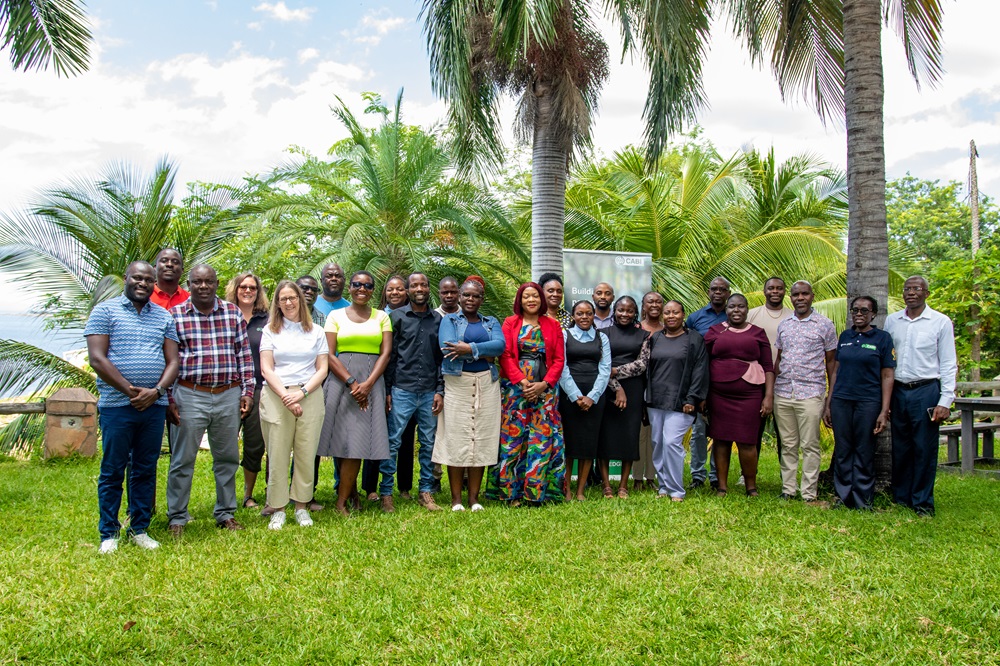
CABI in partnership with the University of Zambia and the Zambia Agricultural Research Institute (ZARI) have hosted a panel to discuss engaging youth for the sustainable biological control of the devastating fall armyworm pest in Zambia.
CABI empowers youth to transform agriculture and contribute to greater food security in Kenya and Uganda

Meet smallholder farmer James Muliasi, a resident of Kanye It Village in Njoro Sub County, Kenya, who has emerged as a champion for agricultural development in his community thanks to training received by CABI together with a range of partners.
CABI hosts first ever youth in agriculture stakeholders networking event in Lusaka, Zambia

The majority of Zambia’s 19.5 million citizens rely upon agriculture for all or part of their livelihoods with the country’s 1.5 million smallholder farmers – of which 20% are headed by women – dominating the sector with maize being the main staple crop.
“Positive youth engagement programmes empower young people to reach their full potential”

As CABI’s first Youth Engagement Manager, Deogratious Magero is leading the conceptualization and implementation of CABI’s youth engagement strategy across Africa.
CABI blog most read of 2022

As 2022 draws to a close, we have crunched the numbers and compiled the top 20 most-read articles on the CABI Blog this year. Plus a few firm favourites. Articles regarding CABI’s work in Pakistan proved popular this year, as well as the ‘How to be’ blog series written for International Day of Women and…
CABI shares expertise in digital extension and advisory services at FAO workshop
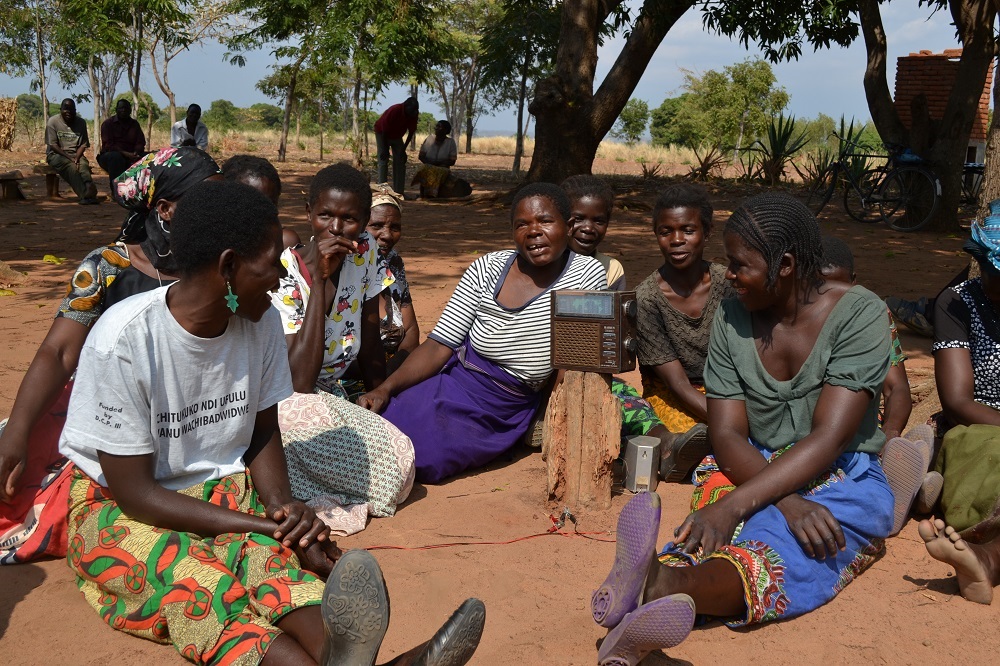
CABI has shared its expertise in digital agricultural and advisory services for smallholder farmers as part of Food and Agriculture Organization of the United Nations (FAO)-led capacity building workshop.
Digital climate advisory services – an investment case for equity
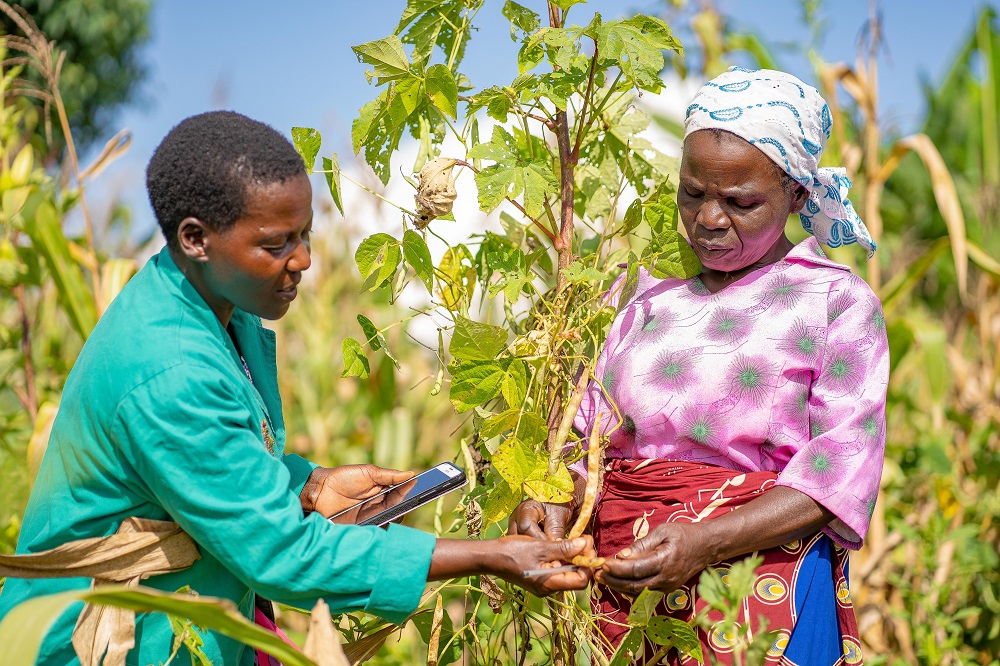
The need for climate adaptation Smallholder farmers are facing increasing impacts from droughts, floods, heatwaves and wildfires, as well as crop pests and diseases, being driven by climate change. And these issues are only projected to get worse as our world warms over the coming years. Smallholders are the backbone of our global food supply.…
Piloting worker voice technology in Pakistan
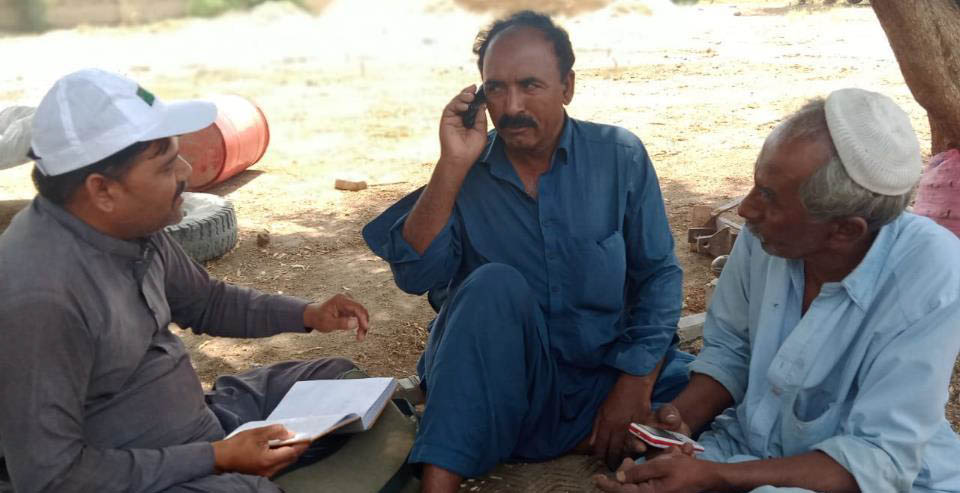
Engaging people working in agriculture to get a clear, comprehensive understanding of the challenges they face in their work, especially on labour issues, is key to being able to provide effective solutions. In rural, dispersed farming areas, however, this can be a difficult task using traditional outreach methods. The Covid-19 pandemic has made this engagement…