
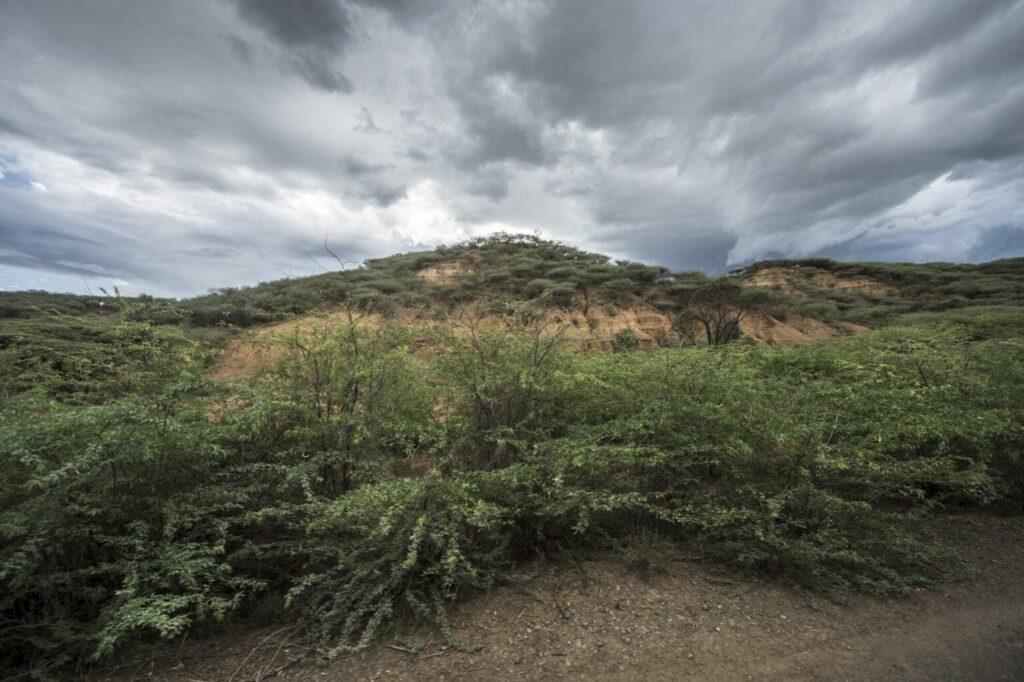
CABI has published a new One Health Case offering important insights into managing a widespread invasion of the non-native tree Neltuma juliflora (formerly Prosopis juliflora) in Eastern Africa. In 2025, CABI and its partners completed a comprehensive impact assessment, revealing that Neltuma affects aspects of human, animal, plant, and ecosystem health – four areas that together are known as One Health.
The assessment findings have helped improve engagement with key stakeholders in Ethiopia and Kenya. Many are heavily affected by the Neltuma invasion. The research especially highlighted the need to manage this non-native tree more effectively. The engagements have helped these stakeholders identify possible approaches to managing Neltuma in the future. They also enabled One Health to be integrated into measures designed to tackle this invasive species.
Talking about the work, Dr Urs Schaffner, CABI’s Head of Ecosystems Management, said
“Taking a One Health approach to this problem not only guided the holistic environmental impact assessment of the Neltuma invasion in Eastern Africa, but it also helped to engage stakeholders and support sustainable land management decisions designed to reduce the negative impacts of this invasive species.”
The Neltuma invasion and its impacts
Neltuma was introduced to Eastern Africa in the 1970s as a source of firewood and charcoal, and to help ‘re-green’ barren land. However, soon after its introduction, it started to spread beyond plantations into rangeland, cropland, wetlands, and settlements. To date, Neltuma has invaded around 10 million hectares in Eastern Africa.
The CABI impact assessment sought to better understand the positive and negative impacts of the invasion. The work revealed that Neltuma affects all domains of One Health. The trees impact human health not only through injuries from their thorns, but also by significantly increasing the density of malaria-transmitting mosquitoes. Leishmaniasis-transmitting sandflies also benefit from Neltuma because the trees can provide the ideal microclimate in which they thrive. A recent outbreak of leishmaniasis in central Kenya coincided with an invasion of Neltuma and an increase in sandfly densities in the region.
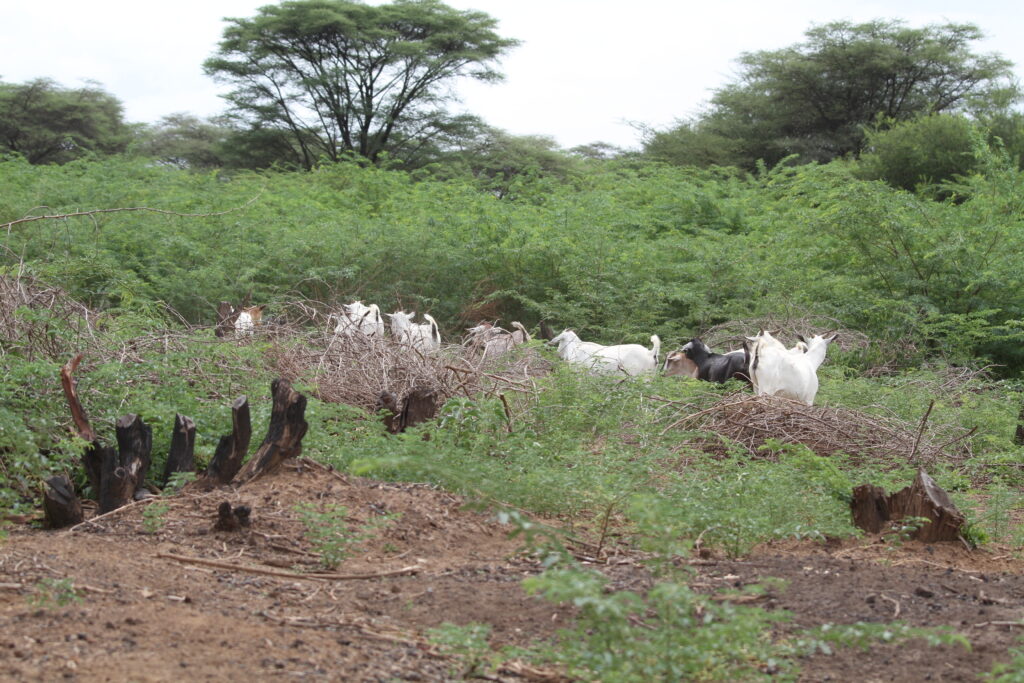
The weed also impacts animals and livestock by substantially reducing foraging. Additionally, it blocks crop production and leads to the collapse of biodiversity, consuming up to 50% of the total rainfall in invaded areas.
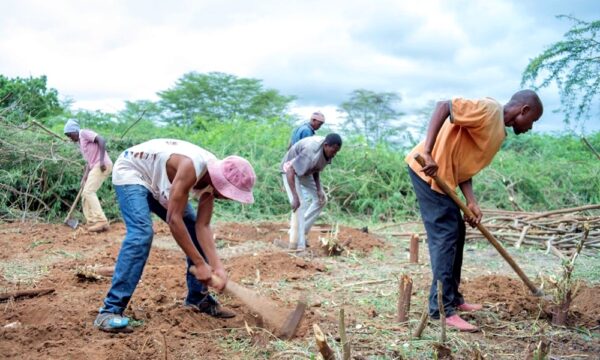
However, Neltuma also benefits ecosystems and populations. It reduces the likelihood of soil erosion and sandstorms in barren areas. The trees also provide wood for charcoal and other wood products. These can generate income for local people, helping them offset losses from the Neltuma invasion and other forms of land degradation. This tree is, therefore, often considered a conflict-of-interest species. In the past, this has often prevented a clear management strategy and has fostered its continued spread.
Incorporating One Health into decision-making processes
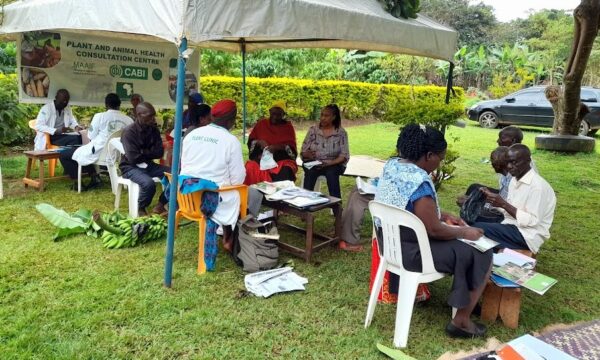
Based on the comprehensive assessment, CABI worked with local stakeholders to develop a new decision-making process for managing the weed, framing it through One Health. In highly invaded areas in the Afar region of Ethiopia and Baringo County, Kenya, CABI created Local Implementation Groups to identify and prioritize the management of Neltuma. The groups included stakeholders from different sectors with different needs, including beneficiaries such as representatives of charcoal-producing associations.
CABI took these approaches because they enhance transparency and ownership and help to build trust. This is critical for implementing, scaling up, and scaling out sustainable land management strategies.
Group members were invited to reflect on how Neltuma affected ecosystem services, focusing on social, economic, and ecological factors. The researchers noticed that linking stakeholder needs to human, animal, plant, or ecosystem health helped discussions. For example, one group prioritised an area invaded by Neltuma that is critical to a peace-building process between two communities. For members, it was easier to link conflict management to human health than to ecosystem services.
All group members, including those benefiting from Neltuma, agreed that the invasive tree puts their communities’ wellbeing at risk. The plant does this through its direct effects on human health and its negative impact on food security. It reduces livestock numbers in invaded landscapes and also blocks crop production inside and outside of irrigation schemes.
The integration of the different stakeholder interests, including the need for wood or wood products, was achieved by discussing and agreeing on transformation processes. New approaches can lead to a more desirable composition of local ecosystems by planting, for example, native trees. Stakeholders can then also identify areas in a landscape where Neltuma is unlikely to be eradicated and where use of its biomass will continue to be possible for some time.
One Health decision-making drives support for Neltuma management
The researchers found that participation in the decision-making process increased the percentage of stakeholders who agreed it is imperative to control Neltuma. Furthermore, group members based their decisions on diverse criteria covering all three pillars of sustainability (environmental, economic, and social).
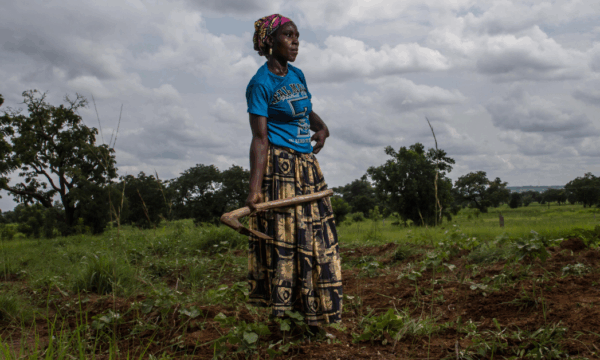
Additionally, the research found that when all aspects of One Health are considered in the decision-making process, people are more likely to adopt recommended Neltuma management practices. For example, in some areas in Kenya, women’s groups have taken the initiative to remove Neltuma from their settlements. When asked about their motivation, they drew attention to concerns about the threats Neltuma poses to traditional grazing practices and human health, especially its potential to increase the risk of leishmaniasis. These concerns prompted them to take action and manage the Neltuma.
The utility of broadening the scope of One Health
Zoonoses and antimicrobial resistance still dominate current literature on One Health. However, there is growing recognition that other issues are also important. They include:
- environmental degradation through land-use change
- overexploitation of natural resources
- pollution, and
- invasive species
Together, these issues pose increased risks to human and animal health.
The study on Neltuma management in Kenya is part of a growing body of research exploring how ecosystem-based approaches in One Health can help improve health outcomes more broadly. Importantly, the study gives us valuable insights into the complex consequences of environmental degradation. The more we understand these connections, the better we can identify solutions to interconnected health problems through the restoration of ecosystems.
About the One Health Hub
The work described above was partly funded by the One Health Hub, a knowledge, evidence, and learning platform that promotes a cross-sectoral One Health agenda. It is managed by CABI with funding from UK International Development from the UK government. However, the views expressed here do not necessarily reflect the UK government’s official policies.
Find out more on the One Health Hub.
More information
Featured image: Neltuma juliflora (formerly Prosopis juliflora) shown in Kenya. Photo taken as part of the ‘Woody Weeds’ project. Credit: Sven Torfinn for CABI
Dr Schaffner thanks the Woody Weeds and Woody Weeds + teams and local stakeholders in Eastern Africa for collaboration on Neltuma spp. The work on Neltuma spp. and other invasive tree species was funded by the Swiss National Science Foundation and the Swiss Agency for Development and Cooperation.
Related News & Blogs
Zoonotic diseases: Strengthening their prevention with a One Health approach
Zoonotic diseases are a growing threat to human, animal and environmental health. As One Health Day highlights the need for coordinated action, this blog explores how stronger collaboration, better evidence, new technologies and supportive governance can help prevent future outbreaks and reduce their global impact.
3 November 2026