
How can agricultural advisory services better support smallholder farmers? Drawing on CABI’s experience, we explore why the future of agricultural extension depends on farmer participation, demand responsiveness, inclusive services, skilled advisers, and digital innovation.
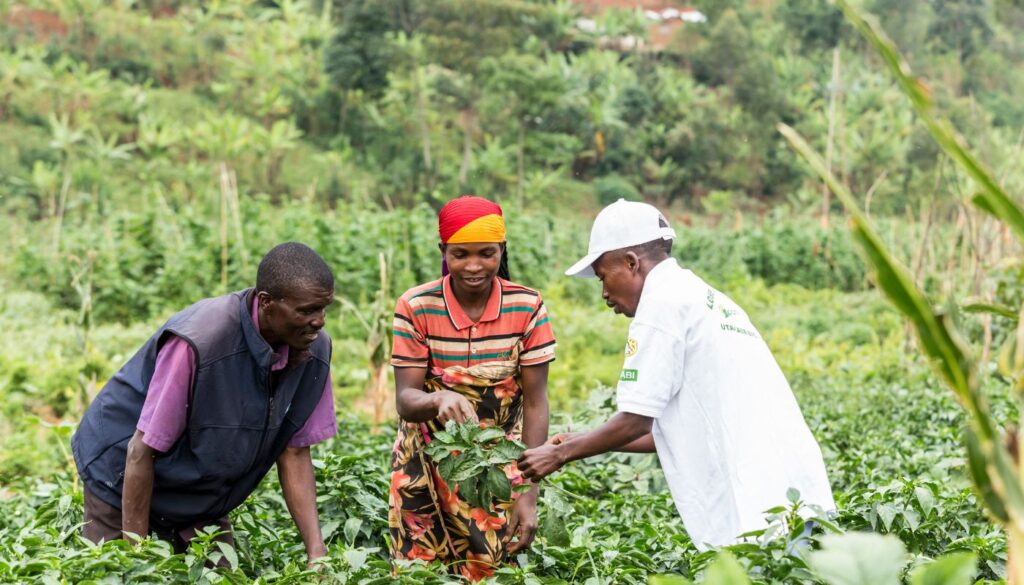
Smallholder farmers face increasingly complex challenges. Climate change, emerging pests and diseases, and changing market requirements are increasing the demand for reliable agricultural advice. However, access to extension services remains unequal, with women, younger and older farmers, and those in remote communities facing structural, institutional and cultural barriers that can limit their access to information and support.
Traditional models of agricultural extension have often centred on public-sector delivery of technical information and technologies to improve crop production. However, farmers increasingly need support beyond production, including market access and compliance, value addition, climate adaptation, and sustainable farming practices. At the same time, as public-sector financing for extension becomes scarcer, farmers seek advice from multiple sources, including agro-dealers, non-governmental actors, fellow farmers, and the media.
The future of agricultural extension therefore requires a shift toward more connected, pluralistic, and inclusive advisory systems that are market-oriented, demand-responsive, digitally enabled, and climate-resilient. Such systems must draw on expertise from different providers, respond to farmers’ economic and environmental needs, and combine digital technologies with practical, face-to-face support.
FAO Science and Innovation Forum
At the 2026 FAO Science and Innovation Forum, CABI’s Janny Vos joined a panel discussion representing CABI’s work in agricultural development and extension. The discussion titled, From field to future: reimagining agricultural extension for smallholder food security, explored how agricultural extension and advisory services must evolve to strengthen smallholder food security and the broader food system.
One question was central to the discussion: Should farmers co-lead innovation?
Janny’s answer is yes. Farmers must be active partners when developing the advice, technologies, and services intended to support them. Their indigenous knowledge and wisdom should inform the development and/or adaptation of agricultural innovations. CABI’s experience highlights three critical enablers of this transformation: pluralistic, demand-driven and inclusive services; a well-trained workforce; and the integration of face-to-face and digital approaches.
Why should farmers help shape agricultural innovation?
Farmers bring valuable knowledge of their crops, local conditions, and farming challenges. For agricultural advisory services to remain relevant and effective, farmers must have opportunities to contribute to and influence how solutions are developed, adapted, and delivered.
This requires moving beyond traditional approaches where researchers and extension workers develop recommendations for farmers to adopt. Instead, farmers’ wisdom, experiences, priorities and concerns should help shape the design and implementation of advisory services.
CABI’s PlantwisePlus programme incorporates farmers’ perspectives to better understand the challenges they face and identify approaches that meet their needs. This includes exploring farmers’ knowledge, attitudes and behaviours before introducing new practices or technologies.
For example, in Kenya, research into farmers’ perceptions of biological control for papaya mealybug explored their understanding of the approach, willingness to adopt it, and potential barriers to implementation. The findings highlighted strong support for collective pest management, alongside practical concerns about the time and labour involved.
Such insights can help shape how agricultural innovations are introduced, making advisory services more responsive to farmers’ circumstances and more likely to support lasting changes in practice.
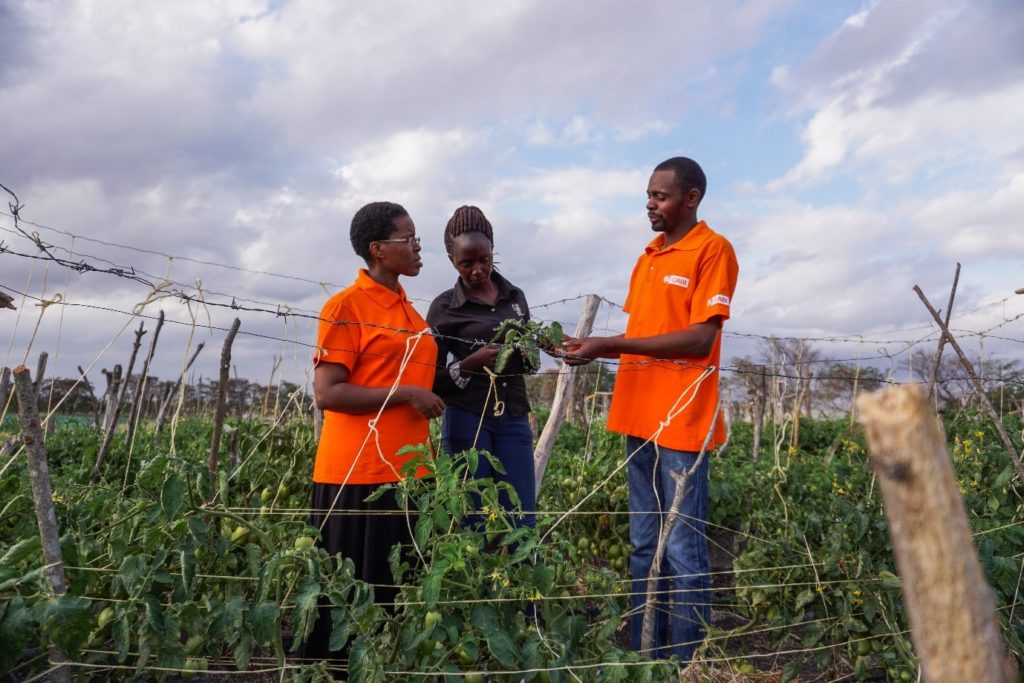
How can agricultural advisory services become more inclusive?
Farmers rarely rely on one source of advice, and no single organization or approach can meet every farmer’s needs. When a challenge arises, they may turn to government extension workers, agro-dealers, neighbouring farmers, private businesses, or digital platforms.
Pluralistic advisory systems therefore bring together different providers, expertise and delivery channels.
Dr Negussie Efa, Senior Scientist at CABI, highlights the importance of recognizing the diversity of farmers and their circumstances: “We have to effectively reach out to and cater for the ever-changing needs and demands of smallholder farmers operating in diverse and complex agro-ecological and farming systems. We need to promote pluralistic approaches that embed diverse funding sources, various service-delivering actors and delivery mechanisms, as well as recognize and build on farmers’ indigenous knowledge, experiences and wisdom. “
However, these systems must also be inclusive and well-coordinated. Women, young people and farmers in remote communities can face additional barriers to accessing agricultural advice, inputs and markets. Offering different ways to access services can help address these inequalities.
Examples from PlantwisePlus
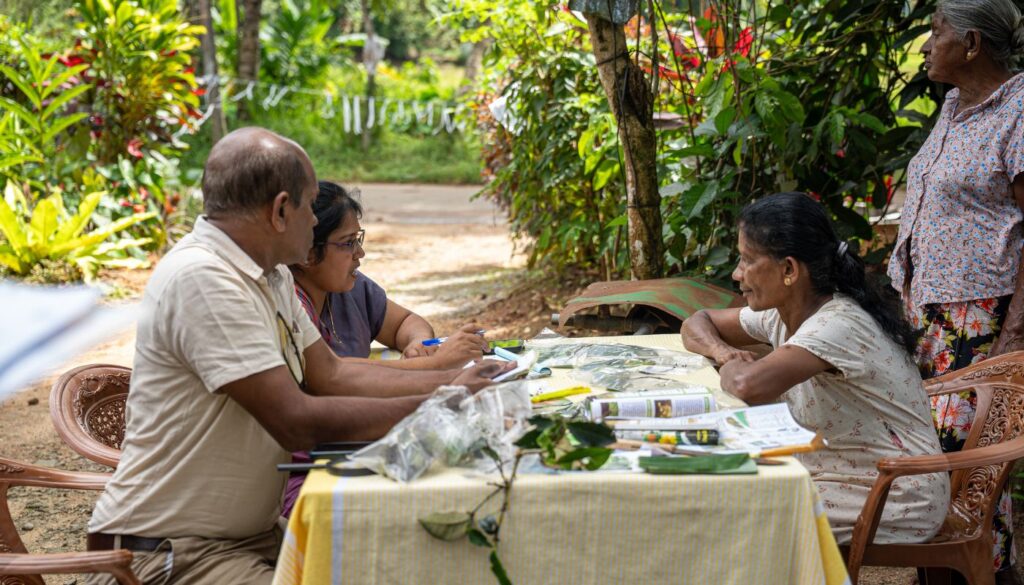
The Farmer Advisory Pathway under CABI’s PlantwisePlus programme demonstrates how these approaches can work together. Plant clinics provide face-to-face advice from trained plant doctors, while digital tools expand access to reliable crop health information. Digital skills training helps farmers, particularly women who face barriers to using technology, access and apply this advice. The programme also supports women and young entrepreneurs to become agricultural service providers, extending services into local communities while creating economic opportunities.
Artificial Intelligence (AI) has the potential to reduce barriers linked to literacy, gender and digital skills, particularly when tools are designed around farmers’ needs and local contexts. Through initiatives such as the Generative AI for Agriculture Advisory (GAIA) project, CABI is exploring how AI can make locally relevant agricultural information more accessible. As a recent article on bridging the gender gap through AI notes, this could help women farmers overcome barriers to accessing agricultural information and advice.
There is evidence that combining providers and delivery channels can make a difference at scale. CABI has supported plant health clinics alongside complementary extension approaches in more than 27 low- and middle-income countries. Evaluations of the earlier Plantwise programme have shown that farmers exposed to these combined services adopt promoted practices, achieve higher yields and incomes, and shift pesticide-use behaviour towards lower-risk practices.
Why is investing in agricultural knowledge and skills essential?
Effective agricultural training and advisory services depend on skilled professionals. But effective extension requires more than technical knowledge of pests and diseases. Advisers must diagnose the underlying cause of farmers’ issues, assess relevant management options, understand environmental and health risks, and help farmers adopt more sustainable approaches. These include integrated pest management (IPM), biological control and lower-risk alternatives to conventional pesticides.
Their role is also expanding. As climate conditions and markets change, advisers increasingly need to support farmers with adaptation strategies, changing markets and farming as a business.
Continuous professional development is therefore essential. Combining practical training with e-learning and access to nationally relevant, evidence-based information can give advisers flexible opportunities to update their knowledge and respond to emerging challenges.
In Viet Nam, An Giang University is integrating CABI Academy’s online plant health courses into its teaching. More than 400 students have enrolled in courses that complement classroom teaching, laboratory activities and fieldwork.
The courses help students develop practical knowledge of crop diagnosis, IPM and bioprotection, while learning to access and apply reliable agricultural information.
While integrating digital learning into agricultural education can prepare future advisers, combining face-to-face training, e-learning and trusted advisory resources also creates flexible opportunities for existing extension professionals to develop their skills throughout their careers.
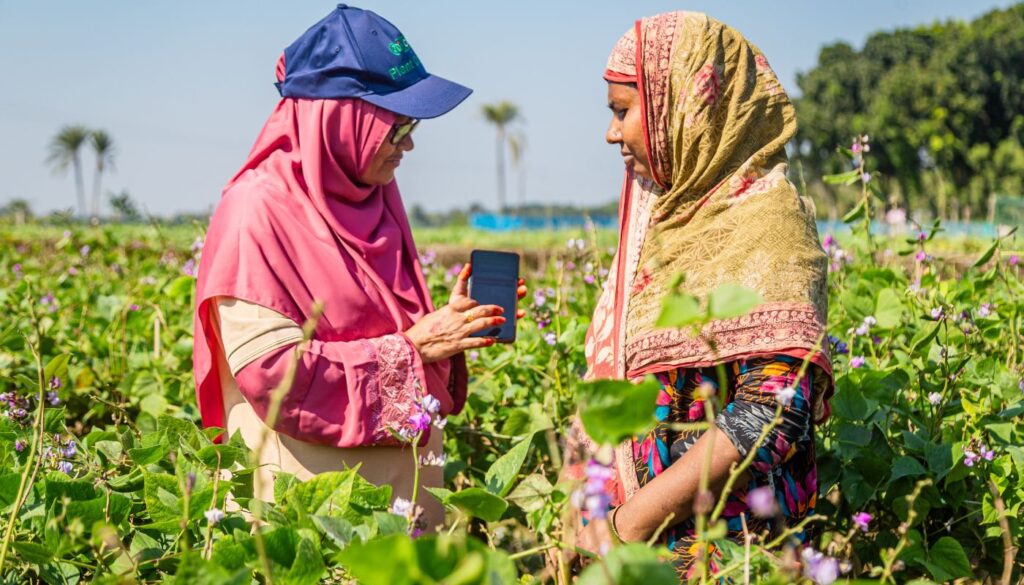
How can digital and face-to-face approaches work together?
Digital technologies can help advisers access information and extend their reach, but they cannot replace the trust, practical experience and local understanding that underpin effective agricultural advice.
Face-to-face interaction remains essential for verifying crop problems, adapting recommendations to local circumstances, building trust and supporting behaviour change. Digital solutions can reach more farmers and give advisers greater access to information. At the same time, skilled professionals ensure advice is understood and applied in local contexts.
The opportunity, therefore, is not to replace traditional extension with technology, but to bring the strengths of digital and face-to-face approaches together.
What needs to change in the future of agricultural extension?
The future of agricultural extension is not about choosing between public and private services, digital and face-to-face advice, or scientific and local knowledge. It is about connecting them in a well-coordinated and aligned manner.
For governments, donors and development organizations, that means looking beyond individual technologies or short-term training activities and investing in the systems around them: strong partnerships, skilled local professionals, inclusive services and trusted advice that can respond to changing markets and a changing climate.
Dr Dannie Romney, CABI’s Director of Development and Extension, emphasizes the importance of ensuring these investments deliver lasting change. “It’s not just about finding new ways to deliver agricultural advice. We need to understand which approaches work best for that particular context, who they reach and whether they can continue to support farmers in the long term.”
Experience from CABI’s PlantwisePlus programme shows what this can look like in practice. The goal is not simply to get more information to more farmers, but to build advisory systems that give farmers the knowledge, choices and support they need in a timely manner to make informed decisions, adapt to change and help shape their own futures.
Additional information
Watch the From Field to Future: Reimagining Agricultural Extension for Smallholder Food Security panel webcast
Related News & Blogs
Food security is within our reach – if we innovate today, we can feed more people tomorrow
Food security is within our reach. Discover four ways innovation is helping to build more resilient agrifood systems, from bioprotection products and digital advisory tools to pesticide risk reduction and empowering women farmers.
15 October 2026