
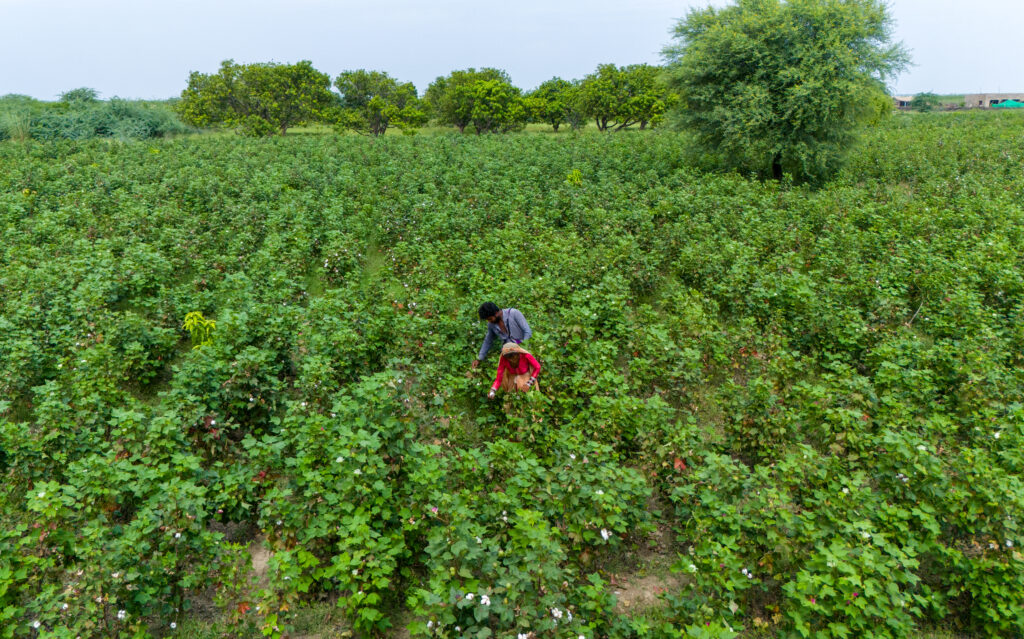
Pakistan is increasingly confronting environmental challenges, including habitat degradation, biodiversity loss, land degradation, and the growing impacts of climate change.
Protected areas, such as national parks, are essential in conserving biodiversity. However, alone, they may not be enough to conserve biodiversity across Pakistan’s diverse landscapes.
Protecting biodiversity through community action
On May 22, the world recognizes International Day for Biological Diversity. The theme “Acting locally for global impact” reminds the world to ‘take action to halt and reverse biodiversity loss’ which includes ‘action close to home.’

In Pakistan, local communities and partnerships are reinforcing this through community-driven, collaborative conservation approaches.
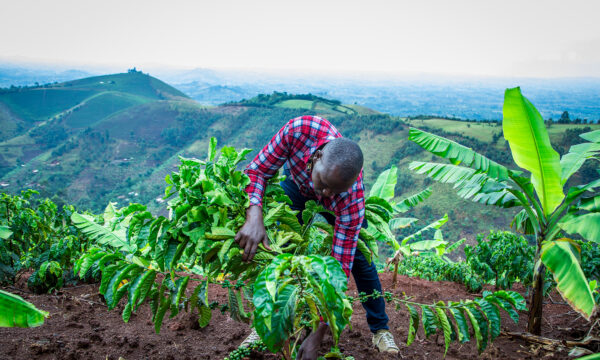
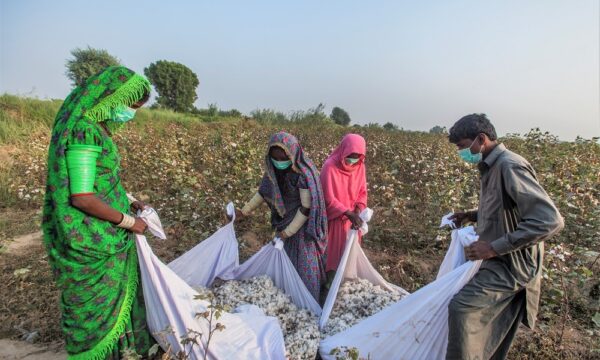
From mountain communities in Gilgit-Baltistan to wetlands, forests, rangelands, and agricultural landscapes across Pakistan, locally managed natural areas are contributing to biodiversity conservation. This may be through sustainable land-use practices such as crop rotation and irrigation systems, traditional management systems including manual labour and natural inputs, and shared responsibility.
By doing so, positive outcomes are realized. Communities are supporting wildlife by maintaining habitats, ecosystem services by protecting water resources, soil health and pollination, climate resilience by reducing land degradation, and protecting their own livelihoods while preserving knowledge and partnerships formed.
These contributions highlight the need to formally recognize and support locally-managed conservation efforts.
How can OECMs help?
Other Effective Area-Based Conservation Measures (OECMs) recognize conserved areas where people are protecting nature outside of formal protected areas.
They complement traditional conservation approaches by identifying areas where local communities take active responsibility for sustainably managing their local environment, assets and spaces.
Currently, no official OECM has been recognized or reported in Pakistan. However, steps are being taken to recognize and strengthen these locally managed conservation efforts through the development of national guidelines.
CABI taking action
To support this emerging conservation agenda, CABI is working in collaboration with the Ministry of Climate Change and Environmental Coordination (MoCC&EC) and the International Centre for Integrated Mountain Development (ICIMOD), to develop OECM guidelines for Pakistan.
This national consultative initiative is the first national effort that aims to strengthen the understanding of OECMs and improve the coordination of them among stakeholders. Consequently, it supports Pakistan’s contribution towards the Kunming-Montreal Global Biodiversity Framework (KM-GBF),
For CABI, this work aligns with Goal 4 of CABI’s Strategy, which focuses on safeguarding biodiversity and supporting the sustainable use of natural resources. This includes helping countries produce plans for their management across landscapes and different land uses.
Collaborative consultations laying foundations
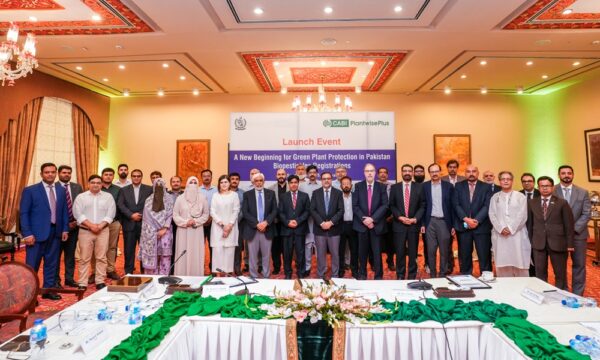
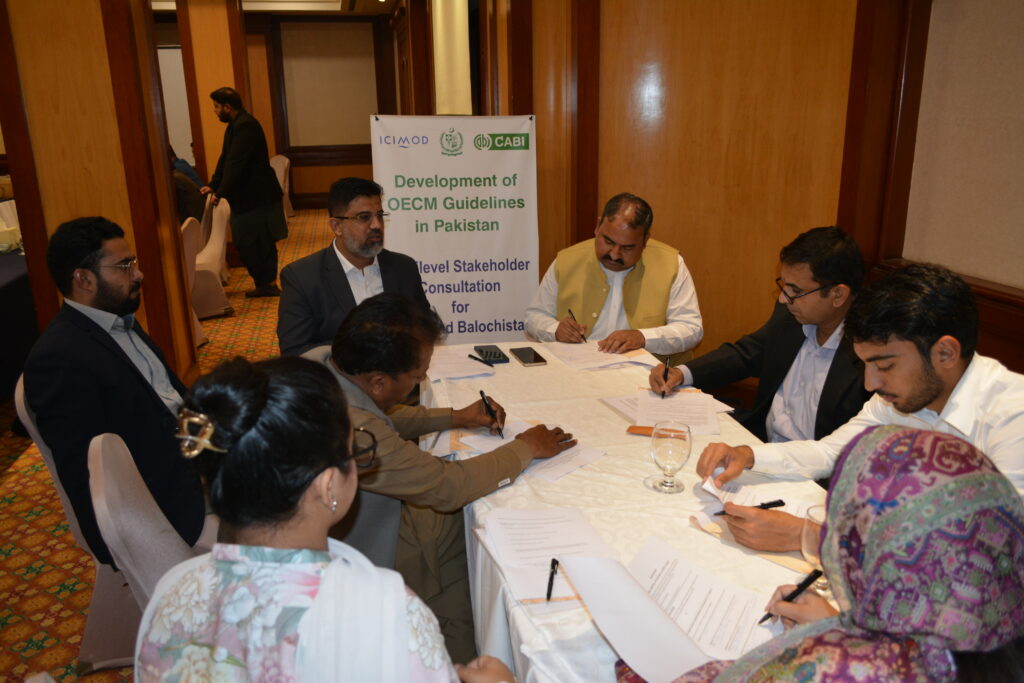
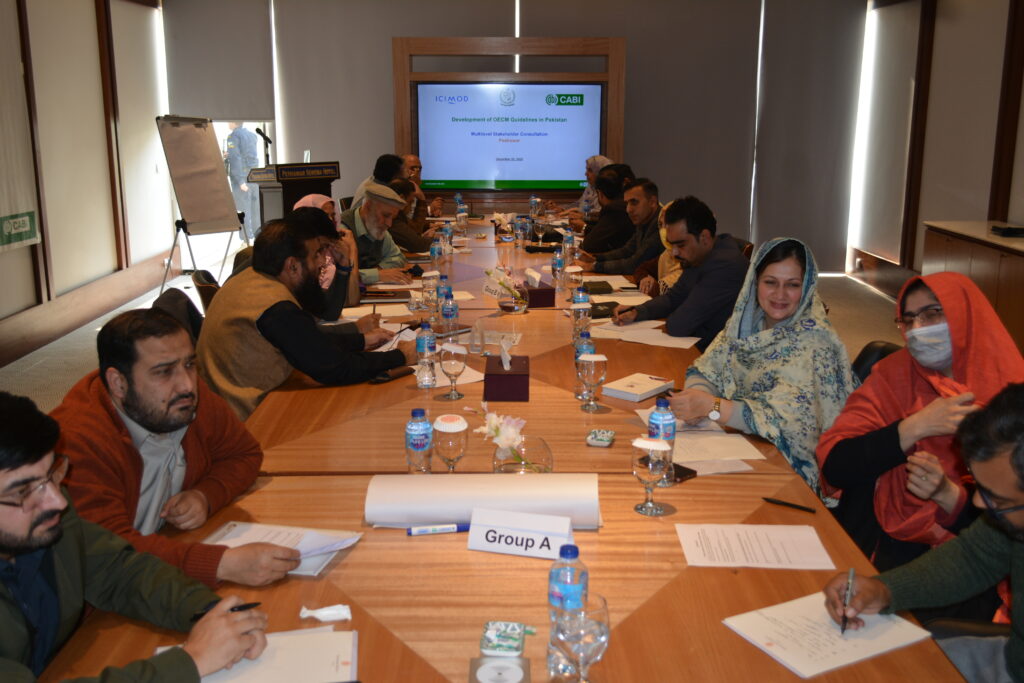
As a first step, CABI convened 144 stakeholders from government, academia, civil society, development organizations, and local communities through a series of regional consultations. Participants shared experiences, identified challenges, and explored how local governance systems can contribute to national biodiversity goals.
The discussions highlighted that many communities across Pakistan are already supporting conservation through practices such as community forest management, sustainable grazing systems, watershed protection, and biodiversity-friendly agriculture. However, for many, this was their first formal introduction to OECMs and their potential role in recognizing these efforts.
As one participant from Punjab noted: “This was an important opportunity to learn how local conservation efforts already taking place across Pakistan may potentially align with the OECM framework.”
A key outcome was the recognition that conservation must extend beyond protected areas. Participants emphasized the need to strengthen awareness, improve coordination, and support more inclusive, participatory approaches to conservation planning.
Meanwhile, they also reaffirmed the need for developing nationally relevant OECM guidelines that can support future policy development, pilot implementation, and broader conservation planning in Pakistan.
Building momentum for the future
Dr Muzammil Farooq, Programme Support Manager for CABI highlighted the significance of this work: “the ongoing OECM process highlights the growing importance of locally driven and collaborative conservation approaches.
“The initiative demonstrates that biodiversity conservation extends beyond formally protected areas and depends on active participation from communities, institutions, researchers, and policymakers working together towards shared environmental goals.
“Local action today can help secure Pakistan’s ecosystems for generations to come.”
The next phase of the process will focus on consolidating stakeholder recommendations into draft national OECM guidelines, identifying potential pilot sites, and strengthening coordination among institutions and conservation partners. Continued engagement with local communities and technical experts will remain essential to ensure that the framework reflects Pakistan’s ecological diversity and governance realities.
Recognizing and scaling these efforts will be critical to delivering Pakistan’s biodiversity goals in the years ahead.
Acknowledgement
CAB International (CABI) Regional Bioscience Centre Pakistan sincerely acknowledges the leadership and support of the Ministry of Climate Change and Environmental Coordination (MoCC&EC) and the valuable technical and financial support from International Centre for Integrated Mountain Development (ICIMOD) in advancing inclusive biodiversity conservation efforts in Pakistan.
Main image: Landscape in Pakistan with two farmers tending to their crops. Credit: CABI
Related News & Blogs
Strengthening sustainable agriculture across Southeast Asia through science, partnerships and innovation
CABI is strengthening agriculture across Southeast Asia through science, partnerships and innovation to build more resilient and sustainable food systems.
19 August 2026