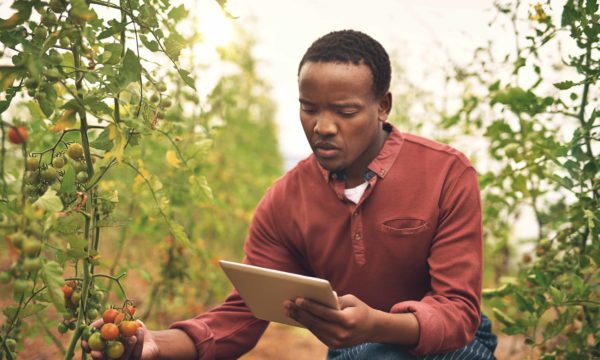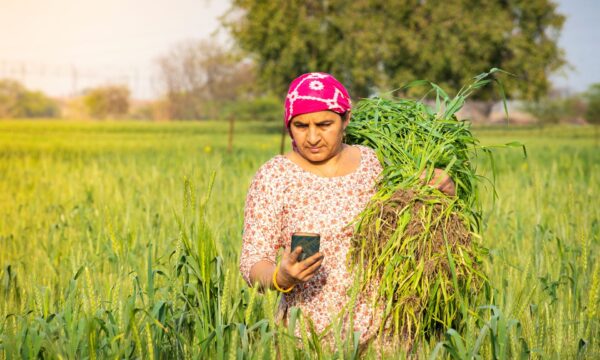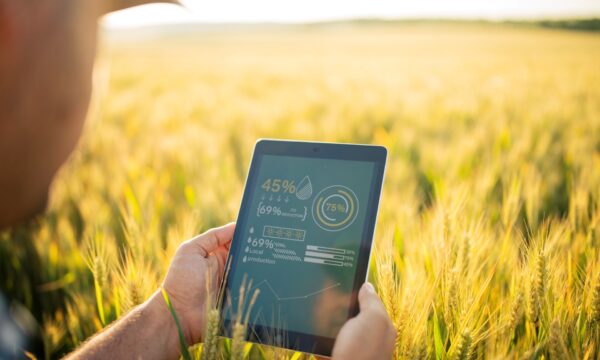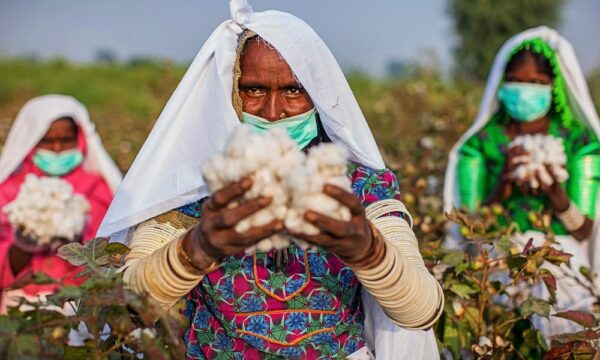

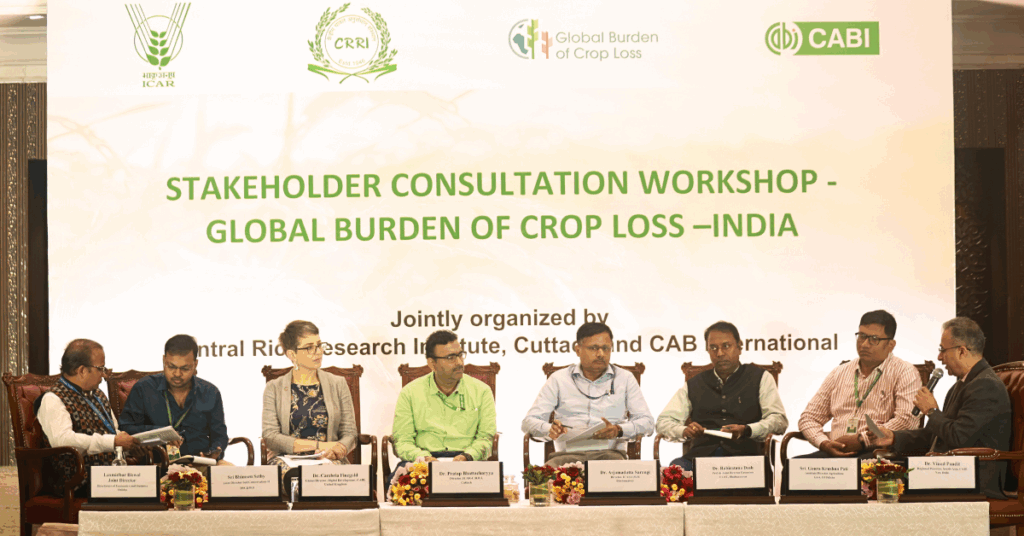
Every year up to 40% of crops are lost prior to harvest, posing a severe threat to food security, livelihoods and economic stability to millions of farmers worldwide. The Global Burden of Crop Loss (GBCL) initiative, a programme managed by CABI, has set out to address this critical global issue through generating trusted and actionable estimates of crop losses across crops and regions, thereby enabling key stakeholders to move towards data-driven interventions to reduce these losses.
In India, under the initiative, CABI and the Central Rice Research Institute (CRRI) along with other partners including AbacusBio are collaborating on a project to understand losses in Odisha’s rice systems – a vital source of food and livelihoods which is highly affected by both biotic (pests, diseases) and abiotic (flood, drought, salinity) stresses.
The partnership with CRRI was officially launched in India this September and is currently focused on two workstreams – understanding the gender dimensions of crop loss and developing a case study for India to understand the evidence available for crop losses for future modelling.
A workshop was convened in September that explored the gender and socio-economic impact of crop loss, bringing over 75 stakeholders for knowledge exchange and shared learning in a workshop in Cuttack, Odisha state. This was followed by a stakeholder dialogue in November to investigate how stronger evidence flows and harmonized data could power more equitable and efficient interventions.
Bringing evidence, institutions and communities together
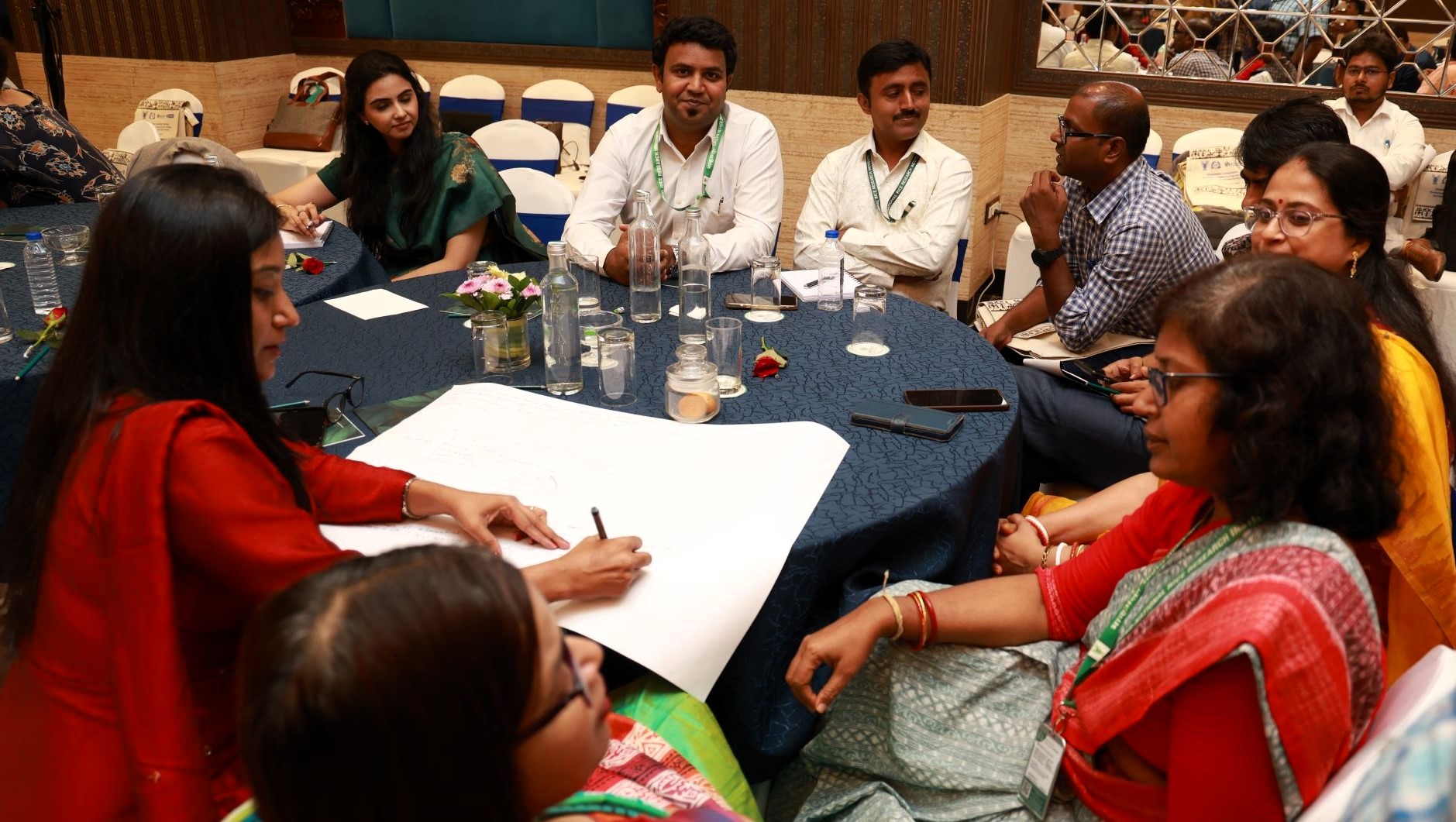
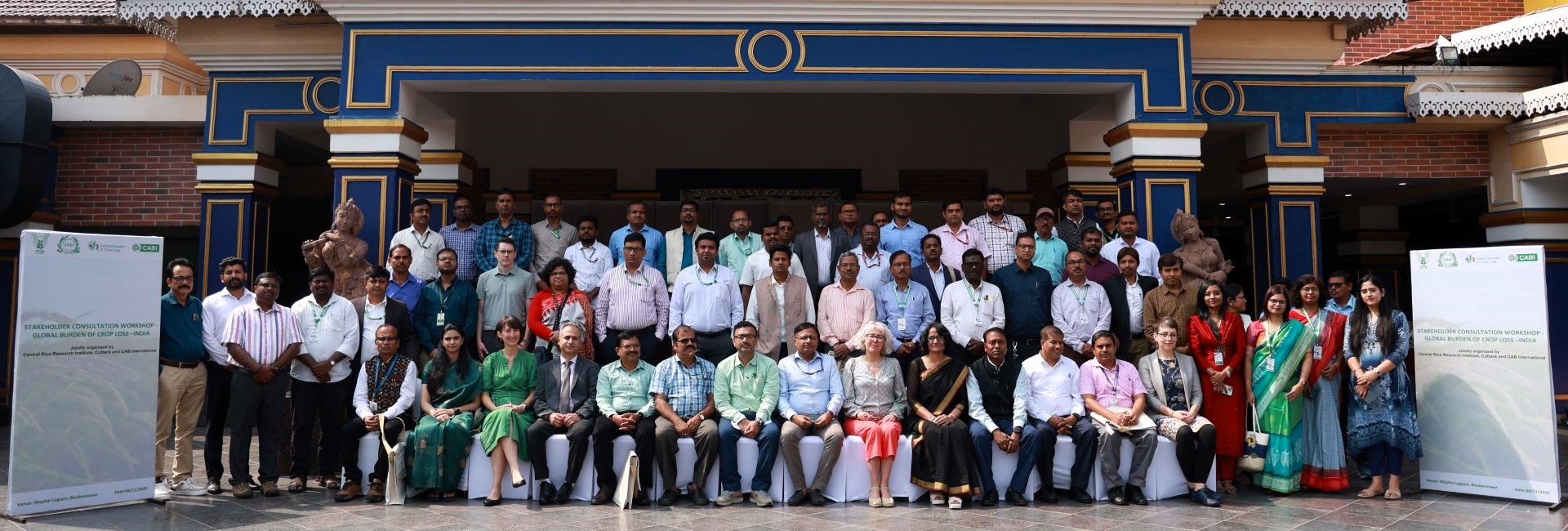
CABI and CRRI convened a three-day workshop during November 4-6 in Bhubaneswar and Cuttack to better align evidence, institutions and communities. More than 80 stakeholders joined the opening day, representing government departments, research institutions, academia, grassroot-level organizations and media.
Through a mix of presentations, panel discussions and break-out sessions, participants mapped current decision-making, evidence flows and data gaps related to crop losses. The workshop outputs are expected to form the basis for co-developing pathways for integrating GBCL insights into ongoing national and state programmes.
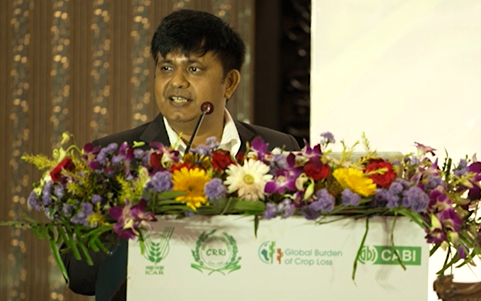
Dr Krishna Pati, Joint Director (Agriculture), Department of Agriculture and Food Production, Government of Odisha, highlighted that “thirty percent of crop insurance in the state now uses scientifically backed estimates rather than conventional crop-cutting experiments. Having even more robust data would further improve outcomes for farmers.”
“By connecting different layers of information ranging from remote sensing to farmer observations we can build a comprehensive and reliable picture of crop loss,” noted Dr Arjamadatta Sarangi, Director, ICAR-Indian Institute of Water Management.
Dr Rahul Tripathi, Co-Principal Investigator (Co-PI) for the project, said that “India and Odisha are not short of crop-health data, but of systems to organize and interpret it. Our partnership with CABI and GBCL will help integrate diverse datasets, improve spatio-temporal analysis of pest incidence and link technical modelling to the practical challenges farmers’ encounter.”
Strengthening internal collaboration
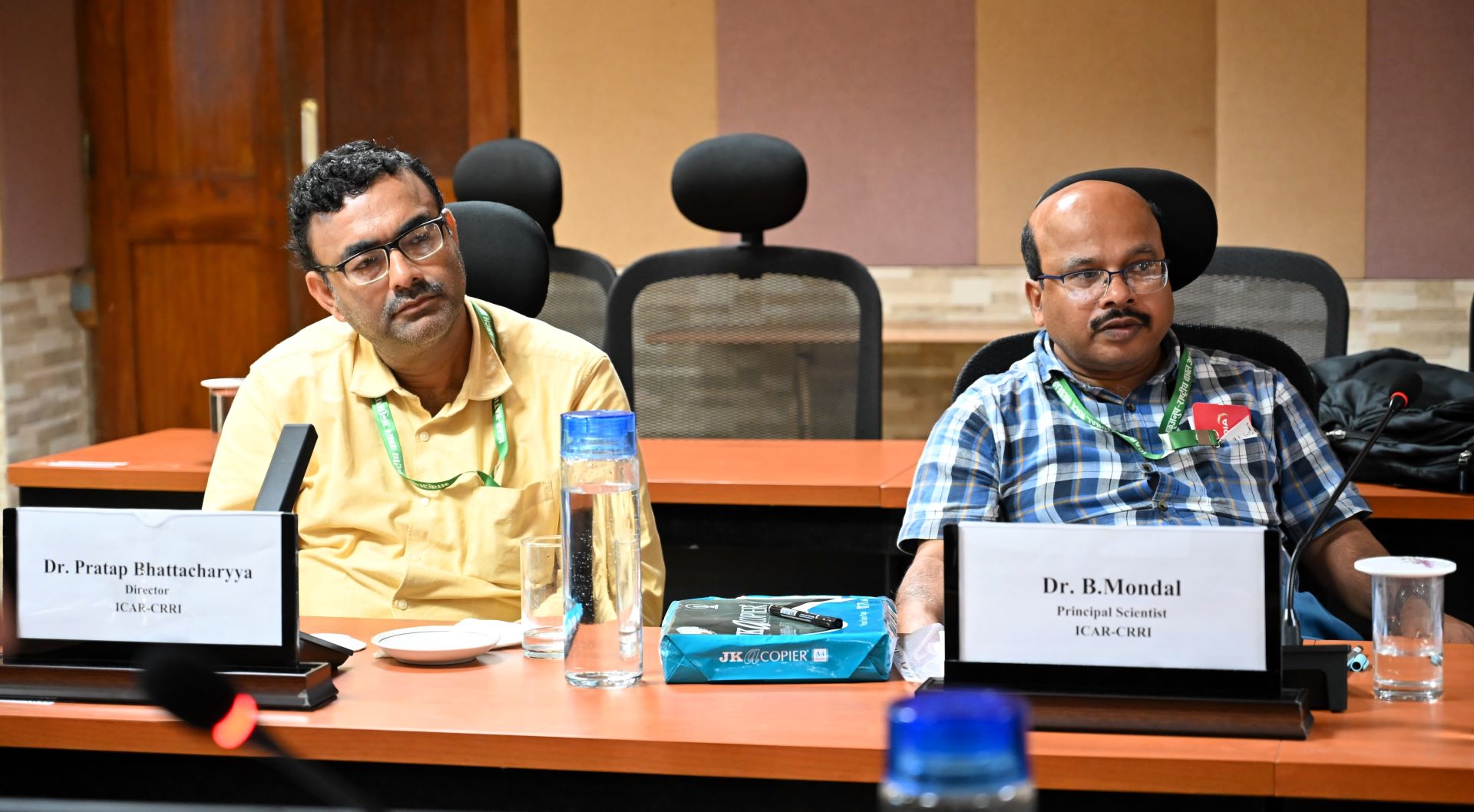
The workshop was followed by a day of focused deliberations between CABI, CRRI and project partners to align stakeholder feedback with the project plans. Participants, including Dr Biswajeet Mondal (Project PI), Dr Raghu and Dr Rahul Tripathi (Project Co-PIs) from CRRI, discussed methodological coherence, programme vision and plans, roadmap and timelines for the initiative.
“As Technical Lead, I’m focused on ensuring that the diverse data streams feeding our models are truly representative – both globally and within our focus areas – and we handle theme responsibly according to FAIR principles. Representative data on yield observations, pest incidence, and socio-economic factors are essential to produce rigorous, actionable results.
“We are thrilled to have CRRI experts on board, whose deep local knowledge will help our models accurately capture Odisha’s real-world rice production landscape. Together, we aim to deliver outputs that empower stakeholders to make timely, informed decisions,” said Anna Szyniszewska.
Looking ahead: building pathways for action
On the closing day of the workshop, stakeholders reconvened to review early insights and co-develop the Rice case study for Odisha. Discussions centred on ensuring that evidence flows are aligned with on-the-ground realities and are responsive to farmers’ needs while supporting the state’s efforts to modernize its data architecture.
Dr Pratap Bhattacharyya, Principal Scientist, Division of Crop Production, ICAR-CRRI, noted, “ensuring data quality, responsibility and sharing will be key to building the strong systems Odisha needs to safeguard its rice-based livelihoods.”
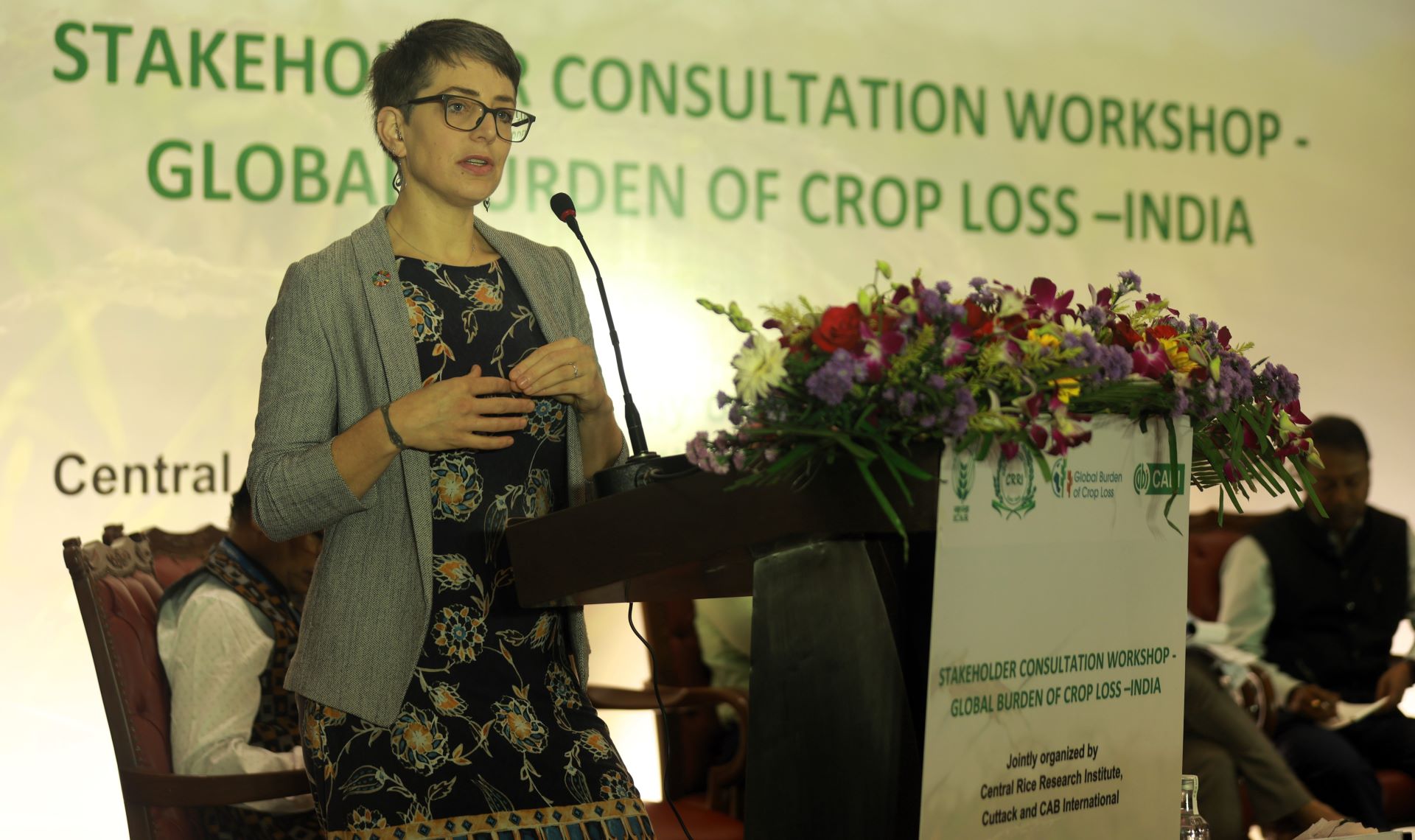
Reflecting on the collaboration, Cambria Finegold, CABI’s Global Director leading the GBCL project, said, “In a world facing the dual crises of climate change and food insecurity, we cannot afford to lose what we already grow. Working together with CRRI and our partners, we’re creating the evidence needed to protect crops, strengthen food systems, and support farmers who feed us all.”
As the workshop concluded, participants identified priority areas for joint action including developing standardized protocols for crop loss estimation, strengthening digital data sharing and embedding inclusive evidence frameworks into policy.
Over the next two years, CABI and CRRI will continue engaging with Odisha’s agricultural community to translate this shared vision into practice and turning data into decisions, and evidence into impact.
Further information
Main image: Panel discussion at the CABI-CRRI workshop in Bhubaneswar and Cuttack (Credit: CABI and CRRI)
Read more:
CRRI-CABI collaboration seeks inclusive solutions for crop loss assessment in rice farming systems
CABI and CRRI explore gender gap of crop loss impact at Odisha, India workshop
Related News & Blogs
Crop loss: What do maize losses really mean for women farmers?
Crop loss can have devastating impacts on rural communities. The Global Burden of Crop Loss recently published a study on maize crop losses in Kenya to explore their age- and gender-differentiated impacts on maize farming communities across different agroecological zones.
22 September 2026