

How ASEAN countries work together to strengthen plant health and protect agriculture
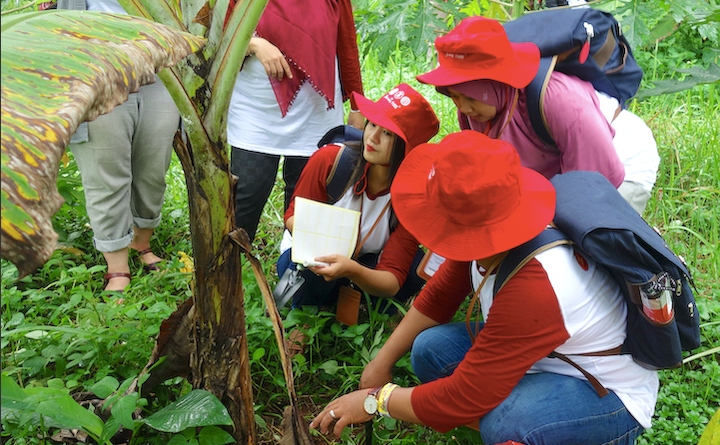
Regional collaboration across Southeast Asia is vital to manage biosecurity risks. Discover how networks like ASEANET and ARDN help countries strengthen plant health, share diagnostic expertise, and protect agricultural trade.
Beneficial insects released against mango mealybug establish in Burundi orchards
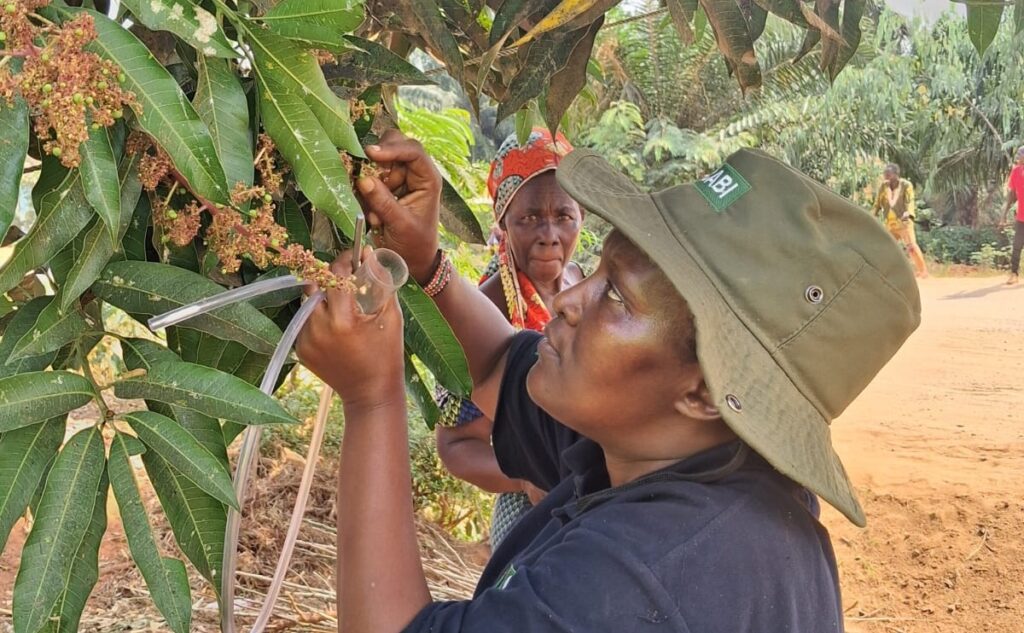
Field monitoring in Burundi confirms that mass-released parasitoids are successfully establishing in mango orchards, providing long-term biological control against the invasive mango mealybug and helping farmers secure healthier harvests.
Reaching 1,000 farmers with plant health advice in Kurdistan Region of Iraq
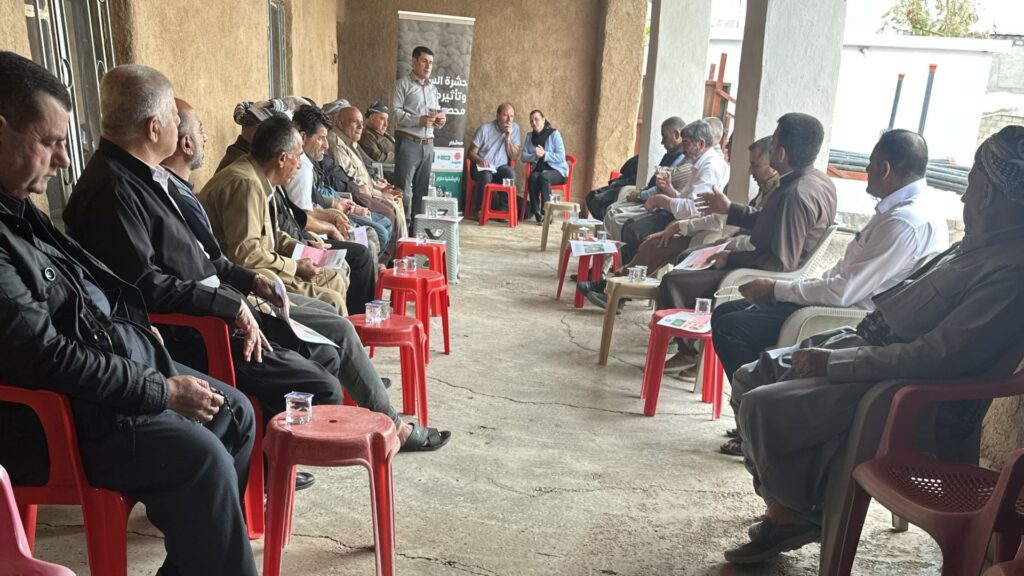
Fast-paced pest outbreaks and plant diseases are a constant threat to farmers’ crops and livelihoods in Duhok, Kurdistan Region of Iraq. Without timely training and advice by extension officers, farmers miss out on critical knowledge to combat these threats. To help close this information gap, agricultural extension teams tried a new approach by taking plant…
Discover Imperial’s master’s on sustainable agriculture, supported by CABI
Around 828 million people still face hunger, and 3.1 billion cannot afford a healthy diet. Without transforming how food is produced and consumed, the world risks missing Sustainable Development Goal 2 , ending hunger and promoting sustainable agriculture, by 2030. At the same time, global food demand is projected to increase by up to 70%…
Pesticide risk reduction supports sustainable food systems – here’s how

Reducing pesticide risks protects farmers, consumers, and the environment. On World Food Day, CABI highlights how safer, science-based pest management supports sustainable food systems and strengthens food security.
Identifying future One Health research needs to benefit people, animals, plants and environment
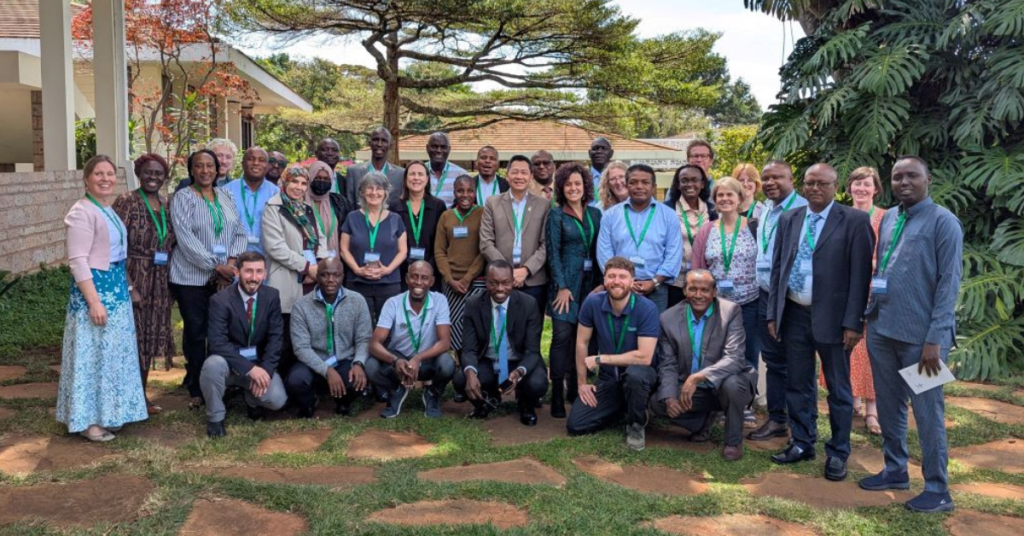
Participants from more than 48 countries have gathered in a series of workshops to discuss future One Health research priorities to inform research that will benefit people, animals, plants and the environment. One Health is a multi-sectoral approach aimed to optimize the health of humans, livestock, plants, and the ecosystems they share. “The interdependencies between these…
CABI hosts soil information systems workshop in Ghana

CABI and its project partners, ISRIC — World Soil Information, and Ghana’s Council for Scientific and Industrial Research – Soil Research Institute (CSIR-SRI), recently held a 2-day soil information systems workshop at the Capital View Hotel, Koforidua, Ghana.
Webinar series investigates greater use of biopesticides to combat crop pests and diseases in Caribbean

CABI has facilitated a webinar series which investigated the prospect for greater utilization of biopesticides for combating potentially devastating crop pests and diseases affecting livelihoods and food security in the Caribbean. The webinars followed a visit to Guyana, Jamaica, and Trinidad and Tobago last year by Dr Daniel Elger, CABI CEO, to strengthen strategic partnerships.…
CABI’s GRASP Fellowship awardee working in partnership to help increase food safety in Uganda’s urban markets

Dr Monica Kansiime, who was awarded a Gender Responsive Agriculture Systems Policy (GRASP) Fellowship aimed at improving policy process in agri-food systems, is working in partnership to help increase food safety in Uganda’s urban fresh fruits and vegetable markets. Nutrient-dense vegetables complement staple-based diets, providing both food and nutrition security. However, food safety problems linked…
Strengthening Sanitary and Phytosanitary Systems in Burundi: A transformative training experience

To ensure the competitiveness of Burundi’s agricultural products on the international market, the on-going project on strengthening Burundi’s plant health system initiated a training programme aimed at increasing the country’s capacity to improve its Sanitary and Phytosanitary Systems (SPS).