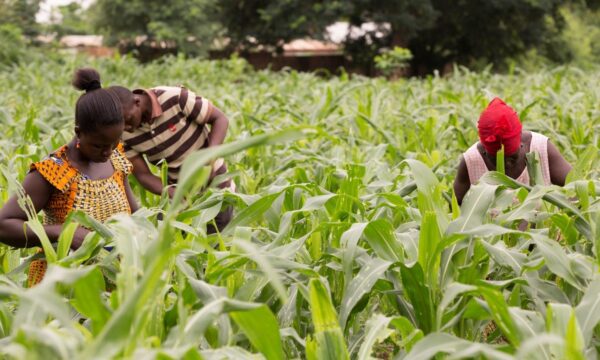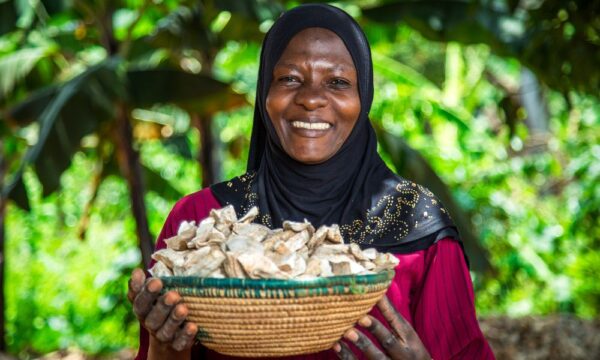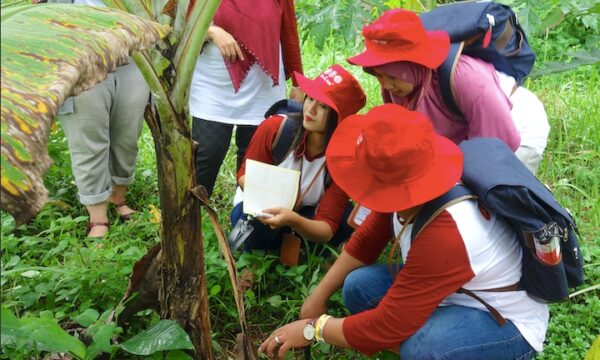

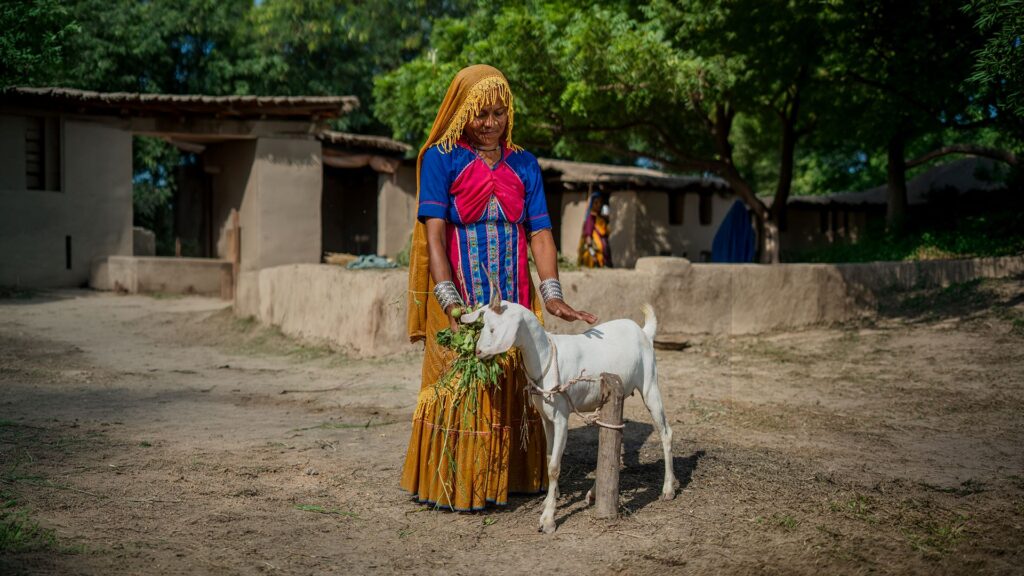
As Pakistan’s population grows, so does the demand for safe, nutritious food. Farmers need to produce more milk, meat and crops while protecting animal health and managing pests effectively. Meeting these challenges requires access to quality inputs, expertise and strong systems.
How can farmers produce more while protecting animal health and managing pests sustainably?
Part of the answer lies in two areas that are fundamental to agricultural productivity: livestock nutrition and biological crop protection.
Healthy livestock require balanced, high-quality feed to support growth, productivity and animal health. At the same time, farmers need access to a range of crop-protection tools that can help them manage pests and diseases effectively while reducing reliance on conventional pesticides alone.
A new initiative, “Strengthening Market and Regulatory Capacity for Feed Sector and Biopesticides in Pakistan,” aims to support both objectives. Implemented by CABI in collaboration with AgAligned Global (AAG), the project will help strengthen knowledge, build technical capacity and support science-based regulatory systems across Pakistan’s livestock feed and crop-protection sectors.
By bringing together government agencies, researchers, industry stakeholders and technical experts, the programme aims to strengthen collaboration and knowledge sharing across Pakistan’s feed and crop-protection sectors.
Better feed, healthier livestock, stronger production
Healthy animals need balanced nutrition to reach their full productive potential.
Achieving this depends not only on access to quality feed ingredients but also on understanding how those ingredients should be used. Stakeholders of livestock feed industry including farmers, distributors, regulators, feed manufacturers and across the sector play an important role in ensuring animals receive the nutrition they need.
An important aspect of this work will be strengthening the livestock feed industry understanding of the nutritional value, feed ingredients, their role in balanced animal diets, quality and any regulatory requirements of livestock feed ingredients. Targeted technical support on livestock nutrition, feed formulation and feeding practices will help to achieve this.
By supporting better-informed feeding decisions, the initiative aims to help improve animal health, increase productivity and promote the more efficient use of feed resources across Pakistan’s livestock sector.
How biopesticide regulation can support crop protection
Producing more crops also means protecting them from pests and diseases. While conventional pesticides remain important, farmers are increasingly seeking additional solutions that can be integrated into broader pest-management strategies.
Biopesticides, derived from natural sources, can offer a complimentary solution.
In Pakistan a framework for regulating biopesticides has already established. However, effective implementation requires regulators to have the relevant technical expertise to assess products consistently, review evidence and make informed decisions.
The project will provide targeted technical assistance to regulatory authorities to help strengthen capacity for biopesticide evaluation and registration. Project activities including workshops, trainings and consultations will focus on supporting scientific assessment, enhancing regulatory procedures and building confidence in decision-making processes.
A transparent, science-based registration system can help create clearer pathways for biological crop-protection products, ultimately supporting greater access to appropriate and effective solutions for farmers.
Building the systems behind agricultural innovation
The programme therefore focuses on three interconnected areas:
• Strengthening technical understanding of livestock feed ingredients and their regulation.
• Building knowledge and skills around livestock nutrition, feed formulation and feeding practices.
• Supporting implementation of Pakistan’s biopesticide registration framework through technical guidance and capacity building.
Together, these activities aim to strengthen collaboration and science-based decision-making across Pakistan’s agricultural sector.
From inception to implementation
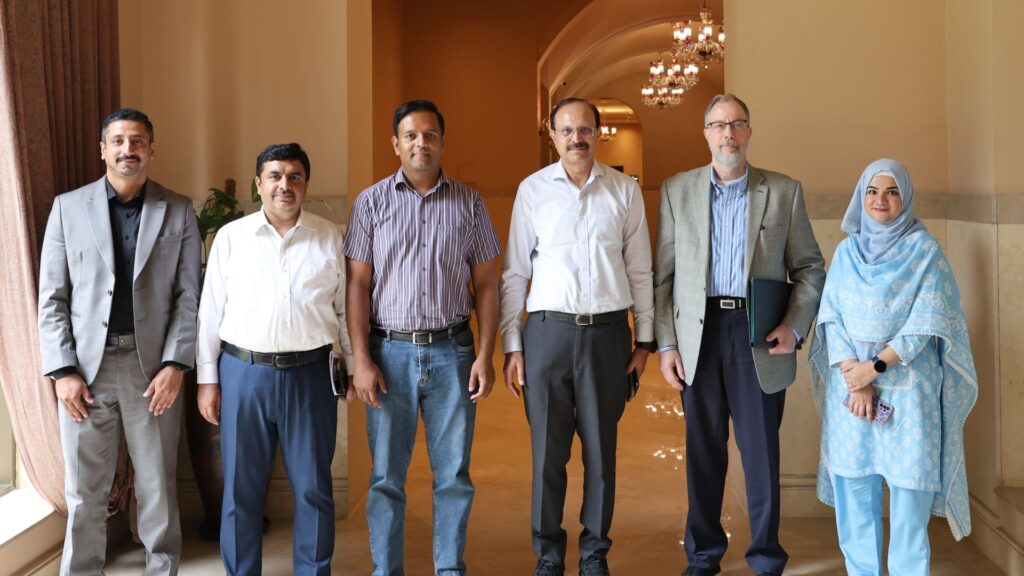
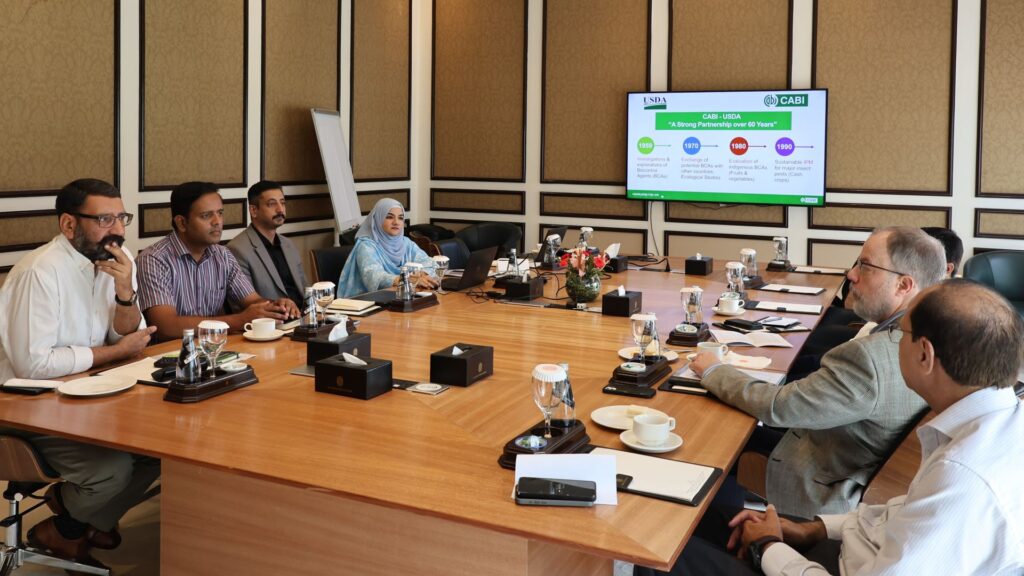
An inception meeting brought together representatives from United States Department of Agriculture’s Foreign Agricultural Service (USDA-FAS) and CABI to review priorities, implementation plans and stakeholder engagement activities.
This phase established the foundation for collaboration with government, research and private-sector partners.
As Dr Babar Bajwa, Executive Director for CABI, Asia, explains:
“As the programme moves from inception into implementation, the focus will be on translating stakeholder engagement into targeted technical activities, strengthening knowledge and skills, and supporting effective regulatory capacity in the feed and biopesticides sectors.”
Creating the foundations for a resilient agricultural future
Pakistan’s agricultural future depends on its ability to produce more food while protecting animal health, managing crop pests effectively and making use of innovation responsibly.
Achieving this goal requires collaboration, scientific expertise, effective regulation and knowledge sharing.
By strengthening livestock feed knowledge and supporting the implementation of science-based biopesticide regulation, the project aims to build the foundations for a more productive, resilient and sustainable agricultural future.
Ultimately, the programme intends to support the people at the heart of agriculture: the farmers working every day to produce the milk, meat and crops needed to feed a growing nation.
Further information
Featured image credit: CABI
Related stories
Revolutionizing crop protection in Pakistan: Registration guidance approved to promote sustainable biopesticides
Pakistan’s new biopesticide regulation highlighted at Annual Biocontrol Industry Meeting
Related News & Blogs
A stocktaking exercise explores which CGIAR innovations have been adopted and scaled up in Kenya’s agri-food system
Kenya has repeatedly put agriculture at the heart of its future. It did so in Kenya Vision 2030, again in the Agricultural Sector Transformation and Growth Strategy (ASTGS), and once more in the Bottom-Up Economic Transformation Agenda (BETA). This yea…
23 October 2026