
For Zambia and its population of 19.6 million people, agriculture is the main source of employment and household incomes.
With women providing over 40% of the agricultural workforce, their contribution to the country’s food security and economy is critical. Despite this, women on average produce 20–30% lower crop yields than men. This gap reflects their more limited access to and control over resources and opportunities.
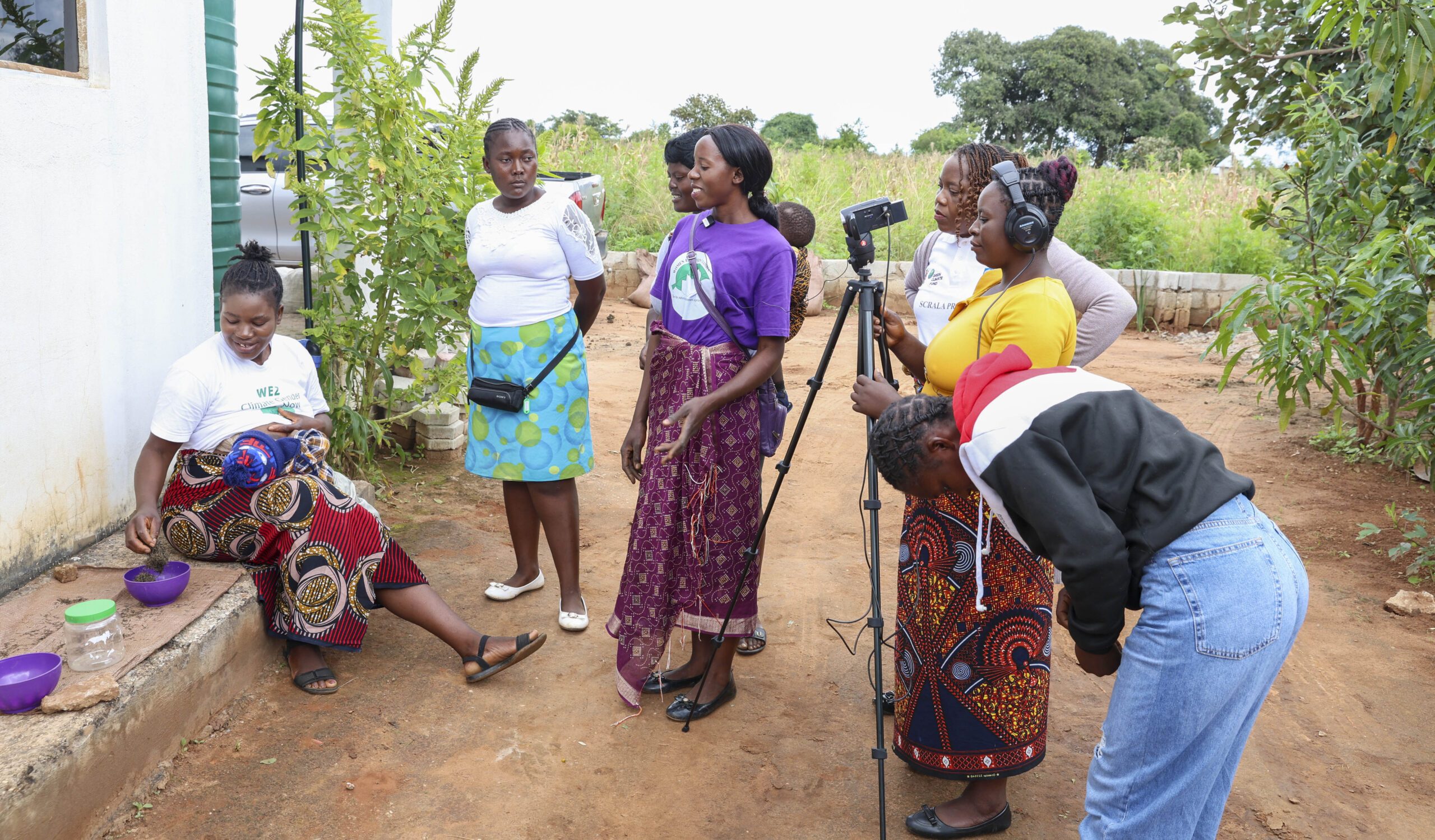
CABI is working with partners to empower young women farmers in Zambia with skills in sustainable pest management and knowledge exchange. By focusing on using participatory video the approach is enabling women to become confident creators and communicators.
This video follows the young women involved, showcasing how they are tackling fall armyworm (FAW), exchanging knowledge with their peers and strengthening their livelihoods and leadership skills in their communities.
Sharing knowledge and safer agricultural solutions
Through CABI’s ‘Village-based biological control of fall armyworm in Zambia’ project, young women farmers in Zambia are not only learning sustainable farming practices but also becoming knowledge sharers and community leaders.
Léna Durocher-Granger, Project Scientist and Project Manager, CABI, said: “We have recognized that women and young people in Zambia are a marginalised yet highly knowledgeable and motivated group within smallholder farming systems.
“One of the main aims of this project is to teach more women and young people safer, more environmentally friendly ways of controlling the destructive FAW pest which attacks maize – a staple crop Zambian families rely on. The project is also providing agribusiness training and opportunities that will empower them while improving food security and household incomes.”
Participatory approaches that support learning and sharing
CABI has provided training and extension to women and young people from four districts of Zambia (Chirundu, Chongwe, Mumbwa and Siavonga), applying gender-responsive and participatory approaches to address barriers to their participation and empowerment.
CABI also partnered with Women Environs Zambia (WEZ), a community-based organization working with rural women to strengthen sustainable livelihoods, to create additional opportunities for knowledge sharing at the local community level.
The power of participatory video
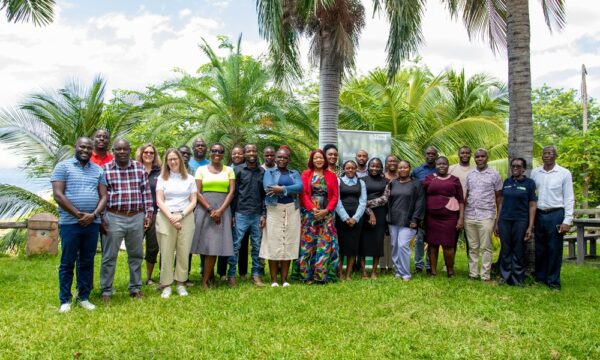
Building on earlier project activities, a final workshop brought together 10 young women farmers (aged 18–35) from the four project districts, two camp extension officers, one crops officer, and leaders and members of WEZ to share experiences.
A key feature of the workshop involved filming a participatory video. Women from Chirundu, who had already taken part in a participatory video process, led sessions on filming, framing, interviewing, consent, and storytelling. Together, the workshop participants created their own storyboard and filmed the activities alongside developing and filming role plays to reflect their shared challenges and aspirations as women farmers.
The process gave participants an opportunity not only to learn new communication skills but also to shape how their stories and knowledge are shared with wider audiences. In the video, the women also go on to create short instructional videos to share with other rural farmers.
Learning through knowledge exchange and practice
Alongside filming activities, participants exchanged practical knowledge gained through the project on managing FAW through biological control, improving soil health, conserving seed and strengthening women-led organizations.
Women shared first-hand experiences of controlling FAW using a viral biocontrol product and the naturally occurring fungus Metarhizium rileyi.
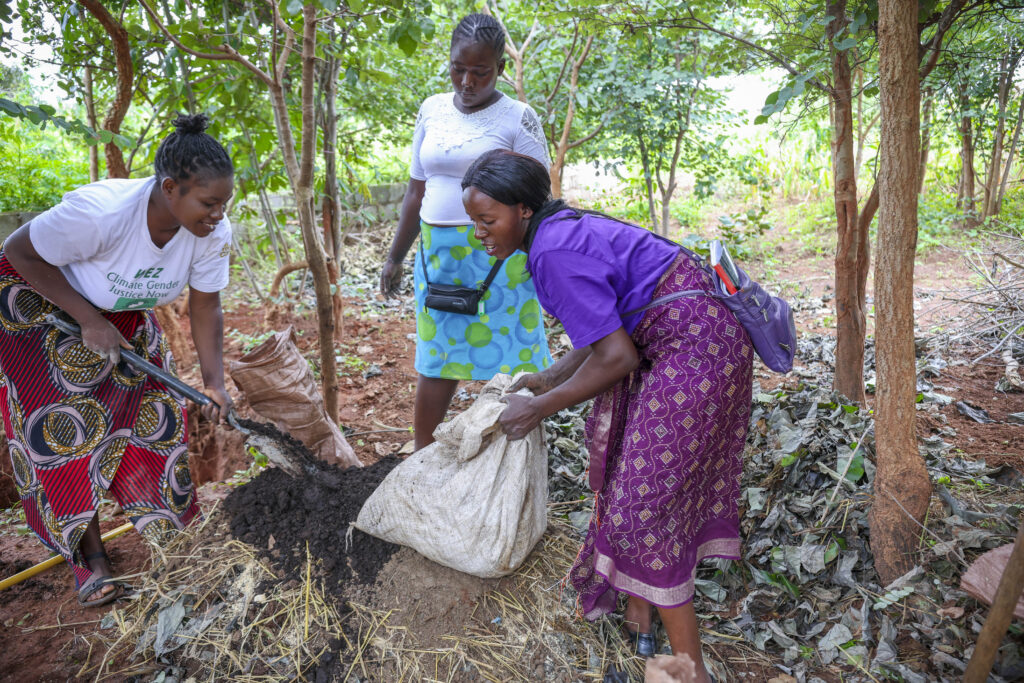
The exchange also featured hands-on learning at WEZ’s demonstration plot, where participants learned practical skills and insights from techniques refined through years of experience. These included the production of organic fertiliser (bokashi), intercropping, and mulching to improve soil fertility and moisture retention.
Participants also observed WEZ’s seed multiplication efforts through its indigenous seed bank, with each participant receiving seeds to take back and plant on their own farms. WEZ remains highly accessible to women farmers, as it does not charge membership fees and instead operates a seed repayment system, enabling women with limited resources to access seed and knowledge.
Strengthening networks for wider impact for women farmers in Zambia
As the video shows, women farmers in Zambia reported greater confidence in taking on leadership roles within their communities and feeling better equipped to train other farmers. Some have since established cooperatives and explored new business opportunities to increase their incomes.
“We used to think we just needed to grow the same crops to feed our families. But now I am able to grow different crops. Now I am cultivating maize, watermelon, cowpeas and Bambara nuts. All of those contribute to my business.”
– Alice Matongo, Youth Farmer, Chongwe
Several women also benefitted from the participatory video experience which inspired one participant, Aretha Kapele, to express interest in exploring a future career in journalism.
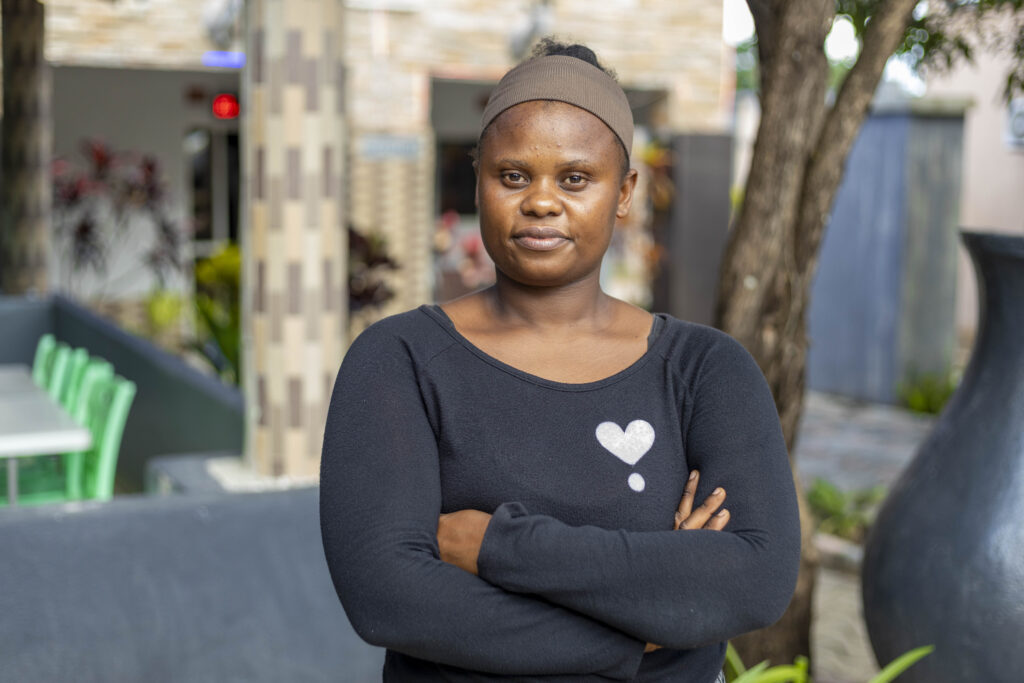
Kate Constantine, Project Scientist at CABI, said: “Women are applying the skills they’ve learned through this project and sharing them with the wider community. That’s why we need to continue to invest in women and youth, as they support increased and faster knowledge dissemination within their communities.”
Beyond individual learning, the workshop helped to forge lasting links between youth farmer cooperatives and WEZ, an established organization with more than 900 members across eight districts. This connection offers strong potential for scaling up agro‑ecological practices and biocontrol solutions through trusted, women-led networks.
Looking ahead
The interventions delivered through this project have helped challenge social norms by bringing women and young people to the forefront of agricultural learning and innovation.
They show that with targeted training, leadership opportunities and agribusiness support, women and youth become powerful agents of change – spreading sustainable farming practices and improving livelihoods.
Acknowledgements and further reading
This work was made possible through funding from the Australian Centre for International Agricultural Research (ACIAR) and PlantwisePlus, and by working in partnership with Women’s Environ Zambia (WEZ), the Zambia Agriculture Research Institute (ZARI) and the University of Zambia (UNZA). The participatory video research was supported by Royal Holloway University of London through a Doctoral School Research Award.
Main image
Workshop participants filming videos on how to control fall armyworm. Credit: Sprobest Media for CABI
Related blogs and pages
Village-based biological control of fall armyworm in Zambia
Related News & Blogs
How CABI helped Zambia revive maize seed exports and strengthen plant health systems
Zambia’s maize seed trade faced crisis in 2020 when shipments were rejected over phytosanitary concerns, risking millions and reputation. With CABI’s rapid scientific support, the country restored trade, strengthened plant health systems, and built resilience. The case highlights how collaboration, evidence, and swift response can safeguard markets and livelihoods sustainably.
18 June 2026