
A pest or disease that enters one country can quickly become a concern for its neighbours.
Southeast Asia is one of the world’s most biodiverse regions. Its biodiversity supports food security, livelihoods and economic growth. However, invasive pests, plant diseases and environmental pressures increasingly threaten these resources.
Accurate identification and diagnostics are essential for managing these threats. Knowing which pest, disease or weed is present helps countries make informed decisions on quarantine, emergency responses and risk assessment.
Yet countries do not always have equal access to diagnostic tools, expertise or technical protocols. These gaps can affect biodiversity conservation and agricultural trade, while making it harder to respond quickly to emerging threats.
Strengthening regional cooperation for plant health
Working together through regional networks can help address gaps.
The ASEAN Network on Taxonomy (ASEANET) was established to strengthen regional cooperation on taxonomy and plant health. It provides a collaborative platform for all ASEAN Member States to strengthen identification, diagnostics and phytosanitary systems.
As ASEANET’s Technical Secretariat, CABI supports regional collaboration, capacity development and knowledge exchange through regional workshops and training events on plant health and sanitary and phytosanitary standards.
The network also connects countries with specialist expertise. Its Expertise Register links ASEAN Member States with regional and international taxonomic specialists. Meanwhile, its confidential Clearing House supports requests for standardised identification of plant pests, diseases and weeds.
Together, these resources help countries access specialist knowledge when additional technical support is needed.
Strengthening regional diagnostic capacity
The ASEAN Regional Diagnostic Network (ARDN) provides the practical platform for strengthening regional diagnostic capacity.
Through ARDN, CABI brings plant health professionals together through training, expert engagement and knowledge sharing to strengthen diagnostic capacity and professional networks.
Sathis Sri Thanarajoo, Senior Scientist at CABI, said, “Plant health threats can move quickly across borders, so countries need access to reliable diagnostic expertise quickly. ARDN provides an important platform for sharing knowledge, strengthening technical capacity and supporting timely, science-based decisions.”
Learning from one another
Lailatul Jumaiyah Saleh Huddin from the Plant Biosecurity Division, Department of Agriculture, Malaysia, highlighted the value of ASEANET in connecting countries and strengthening plant health capacity.
She said, “ASEANET has created a valuable platform for ASEAN Member States to connect, share experiences and strengthen plant health capacity together. Through initiatives such as ARDN, the network has supported capacity building in practical learning, improved diagnostic confidence and built strong professional connections across the region.”
She also highlighted CABI’s role in keeping the network connected, responsive and focused on the needs of ASEAN Member States.
For Brunei, regional cooperation has also strengthened technical and laboratory capacity.
Adi Lisea from Brunei Agriculture Research Centre, Department of Agriculture and Agrifood, said, “Through ASEANET, and particularly the ARDN, we have seen how regional collaboration can strengthen plant health diagnostics beyond what individual countries can achieve alone. For Brunei, the opportunity to share knowledge, experiences and technical expertise with our ASEAN Member State colleagues has been invaluable in building our technical capacity and addressing the plant health challenges we encounter.”
These experiences show how regional networks can complement national systems, allowing countries to share expertise and strengthen their response to plant health challenges.
Protecting biodiversity and supporting safe trade
The value of stronger plant health systems extends beyond crop protection.
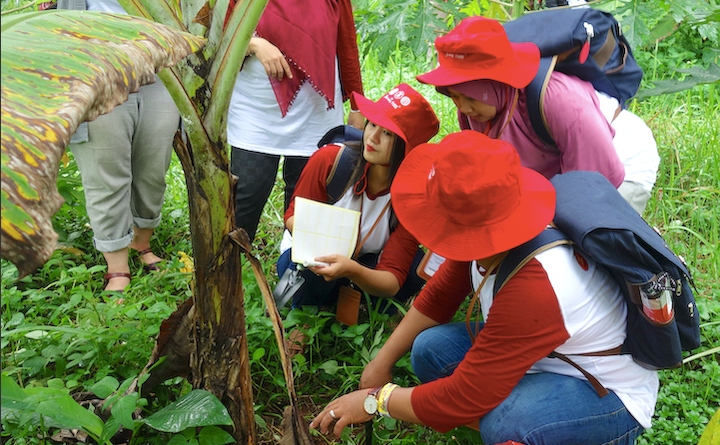
Invasive species can damage ecosystems, reduce biodiversity and disrupt communities, agriculture and trade.
Early and accurate identification allows countries to assess risks, make informed quarantine decisions and respond quickly to emerging threats. Reliable diagnostic information also supports compliance with international standards and safer agricultural trade.
ASEAN Member States have developed the Guidelines for the Conduct of Pest Risk Analysis (PRA) to support science-based assessment of pest risks. The Task Force on ASEAN Pest Database (TF-APD) complements this by strengthening regional pest information and cooperation on emerging threats.
Together, these mechanisms strengthen regional preparedness and support more evidence-based plant health decisions.
Building a stronger plant health future
Strengthening plant health is not something one country can achieve alone. It requires reliable national systems, skilled professionals and opportunities for countries to work together.
ASEANET provides a long-term foundation for regional cooperation, while CABI continues to help connect ASEAN Member States, coordinate expertise and support practical capacity building in plant health.
For farmers, stronger plant health systems can help reduce the risks posed by pests and diseases. For governments, they support effective quarantine and emergency responses. And, for the wider region, they strengthen the foundations for biodiversity protection, food security and safe agricultural trade.
By sharing expertise, diagnostic resources and practical experience, ASEAN Member States are strengthening their collective ability to prevent, identify and respond to plant health threats.
As trade, travel and environmental change create new biosecurity challenges, regional cooperation will remain essential for protecting agriculture, biodiversity and food security across Southeast Asia.
Additional information
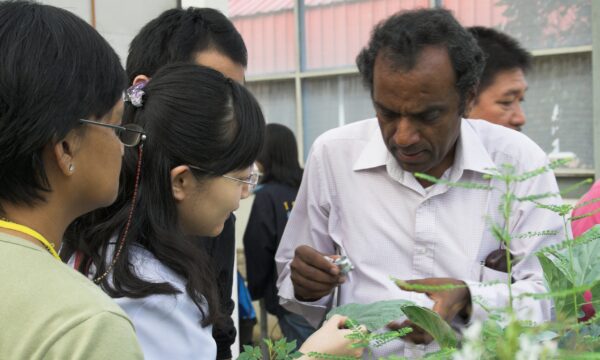
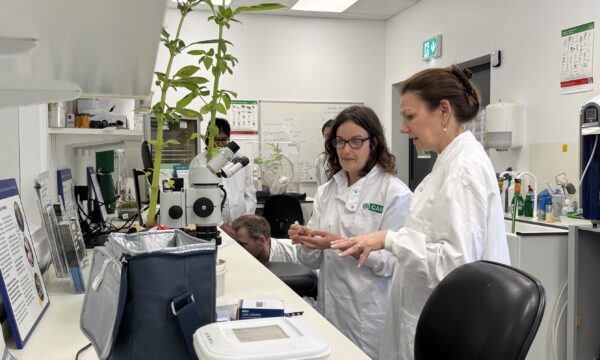
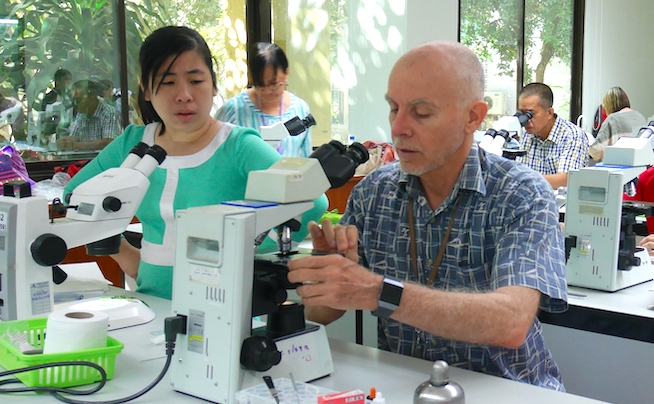
Main image: Hands-on laboratory training during a regional workshop on downy mildew identification (credit: ASEANET)
Relevant stories
CABI and partners focus on pesticide registration and Maximum Residue Limits in ASEAN member states
CABI promotes closer partnership with Southeast Asia at ASEAN London Committee
Related News & Blogs
Beneficial insects released against mango mealybug establish in Burundi orchards
Field monitoring in Burundi confirms that mass-released parasitoids are successfully establishing in mango orchards, providing long-term biological control against the invasive mango mealybug and helping farmers secure healthier harvests.
3 September 2026