

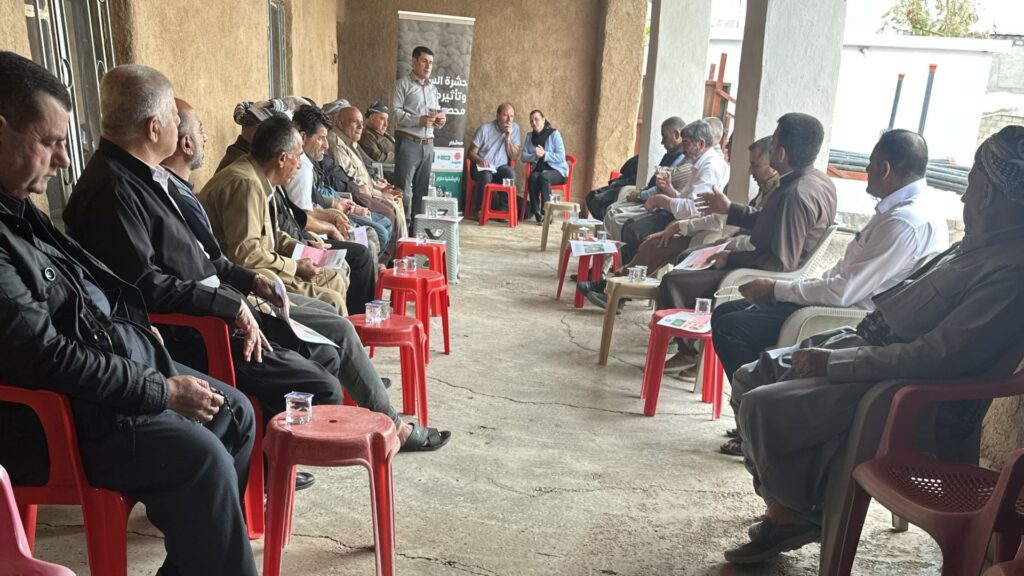
Fast-paced pest outbreaks and plant diseases are a constant threat to farmers’ crops and livelihoods in Duhok, Kurdistan Region of Iraq. Without timely training and advice by extension officers, farmers miss out on critical knowledge to combat these threats. To help close this information gap, agricultural extension teams tried a new approach by taking plant health messages directly to farmers.
These “extension rallies” are part of the CABI-led ‘Strengthening the potato value chain in the Kurdistan Region of Iraq’ project. It is funded by the Netherlands Enterprise Agency and KH Company (KH) and implemented by CABI, KH, the Directorate of Agriculture (DoA), University of Duhok, and HZPC.
Rapid plant health advice through rallies
Extension rallies offer a quick, flexible, and practical way to reach farmers with urgent plant health guidance. Instead of expecting farmers to travel to workshops, extension workers visited villages, markets, orchards, and roadside gathering points.
Anna Wood, Project Manager, explains: “Extension rallies are designed to offer quick, practical advice where farmers need it the most. By meeting farmers in their own communities, extension officers can respond quickly to emerging pest and disease challenges and reach people who might otherwise be missed.”
The model draws on global experience but was adapted specifically for the potato value chain project in Duhok. More than 1,000 farmers were reached with district-specific advice on the pests and diseases most affecting their crops.
Building skills and guiding the pilot
Farmers in the project area grow a variety of other cash crops, including wheat, onions and pomegranates. Over the past five years, CABI has supported capacity building for local extension advisors on pest management across multiple crops. This earlier training provided a good foundation for successful rallies.
To prepare, the DoA extension officers first identified the priority pests and diseases affecting crops in their districts. CABI then trained them to develop simple, locally relevant materials to support field identification and farmer engagement. These included fact sheets with clear images of pest and disease symptoms.
Training also focused on delivery. Extension officers were guided how to deliver short, practical talks, facilitate discussion with farmers and conduct interviews to gather field data and feedback. During the pilot phase, CABI experts joined the rallies to supervise and ensure consistency and technical accuracy.
A day in the field
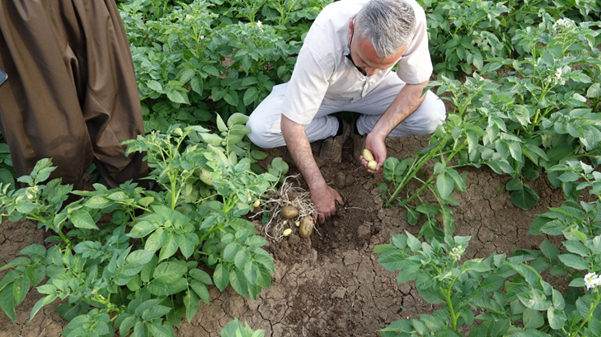
Each rally followed a simple structure to quickly engage farmers and deliver practical information. Extension teams chose strategic locations such as markets or village gathering points and set up a rally banner to attract attention. They delivered a short talk on the most pressing pest issues affecting local crops, using visual materials and real samples, helping farmers recognize symptoms.
This was followed by discussion, giving farmers the opportunity to ask questions and raise concerns from their own fields. Mini-fact sheets allowed farmers to take key advice home, while extensionists conducted brief interviews to gather feedback. Repeating this process at several locations each day enabled the teams to reach large numbers of farmers and rapidly share essential plant health information.
What farmers told us
Farmers responded enthusiastically. Many said it was their first time seeing extension officers bringing advice directly into local marketplaces and village squares. They valued the practical tips and the chance to ask questions about issues in their own fields.
The interviews also revealed an important insight. Many farmers rely heavily on pesticide shops for guidance. This reinforces the need for stronger public extension systems and more accessible, science-based advice.
Not just crop pests
Farmers also used the rallies to raise wider crop production challenges beyond pests and diseases. One key issue is declining groundwater levels, which is affecting the irrigation of some crops.
These discussions give extension officers valuable insight into emerging challenges and help them prepare more targeted support in future rallies.
Why these rallies matter
Improving potato production in Duhok and supporting farmers’ livelihoods isn’t just about seeds or agronomy. Farmers need timely, practical plant health advice they can actually use.
Manfred Grossrieder, ICM Advisor for CABI explains: “Extension rallies allow us to take practical plant health advice directly to farmers in their own communities. Many farmers cannot easily attend formal training sessions, so bringing information to markets and village gathering points helps ensure they are not left behind.”
The rallies are also helping strengthen engagement between farmers and extension services, while generating valuable insights from the field.
Salwa Husain, project representative for the DoA, adds: “These rallies raise awareness of the key pests and diseases affecting farmers’ crops and promote safer, more responsible pesticide use. They also create opportunities for farmers to share their experiences, and provide valuable feedback that helps guide future agricultural support.”
Looking ahead
The pilot phase has shown that mobile, rapid extension can make a meaningful difference. As the potato value chain project advances, extension rallies will remain a valuable tool for helping farmers reduce losses, protect their crops, and strengthen their livelihoods across Duhok.
Additional information
Main image: An extension worker from the Directorate of Agriculture facilitates a farmer rally in Duhok, Kurdistan Region of Iraq, with guidance from CABI. Credit: Abdul Wahab, Directorate of Agriculture, Duhok.
Project page
‘Strengthening the potato value chain in the Kurdistan Region of Iraq.’
Related blog
‘Strengthening the potato value chain in the Kurdistan Region of Iraq.’
1 Comment
Leave a Reply
Related News & Blogs
How ASEAN countries work together to strengthen plant health and protect agriculture
Regional collaboration across Southeast Asia is vital to manage biosecurity risks. Discover how networks like ASEANET and ARDN help countries strengthen plant health, share diagnostic expertise, and protect agricultural trade.
14 September 2026
Thanks for sharing. These rallies are a smart way to reach farmers quickly.