

A stocktaking exercise explores which CGIAR innovations have been adopted and scaled up in Kenya’s agri-food system
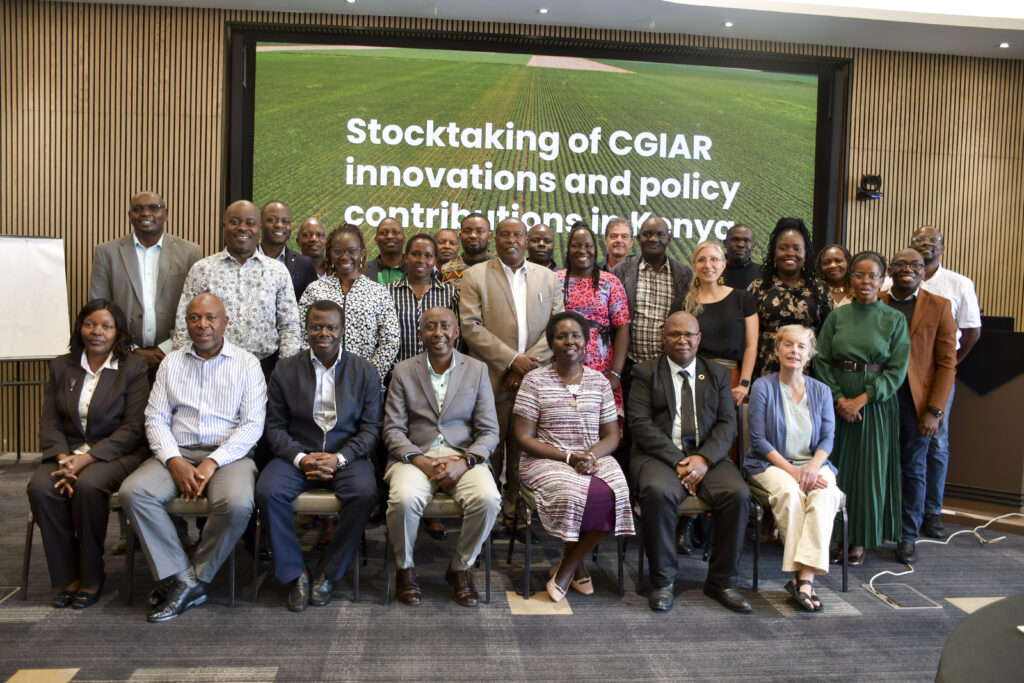
Kenya has repeatedly put agriculture at the heart of its future. It did so in Kenya Vision 2030, again in the Agricultural Sector Transformation and Growth Strategy (ASTGS), and once more in the Bottom-Up Economic Transformation Agenda (BETA). This year also saw the launch of the National Agri-food Systems Investment Plan (NASIP) 2026-2030, the second…
Adaptive agriculture “information factories” to help farmers and value chains navigate climate and market change
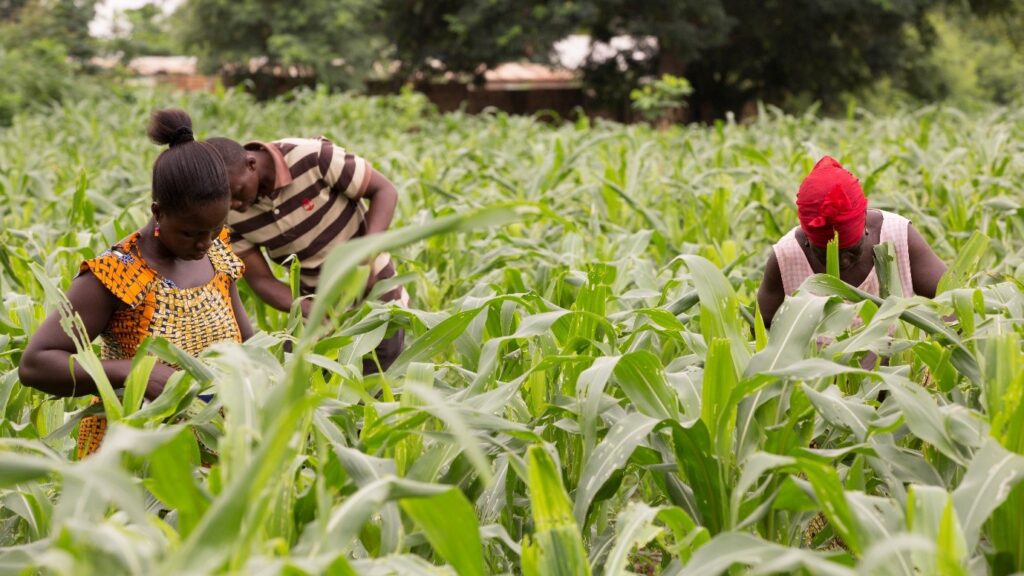
For millions of smallholder farmers, uncertainty has become part of everyday life. Will this crop hold its value when harvest comes? What price will buyers be willing to pay? Will the rain be as erratic as it was last year? Is this the year that pests and diseases decimate my crop? As climate change reshapes…
The next chapter for Africa’s food systems isn’t inventing solutions. It’s scaling them
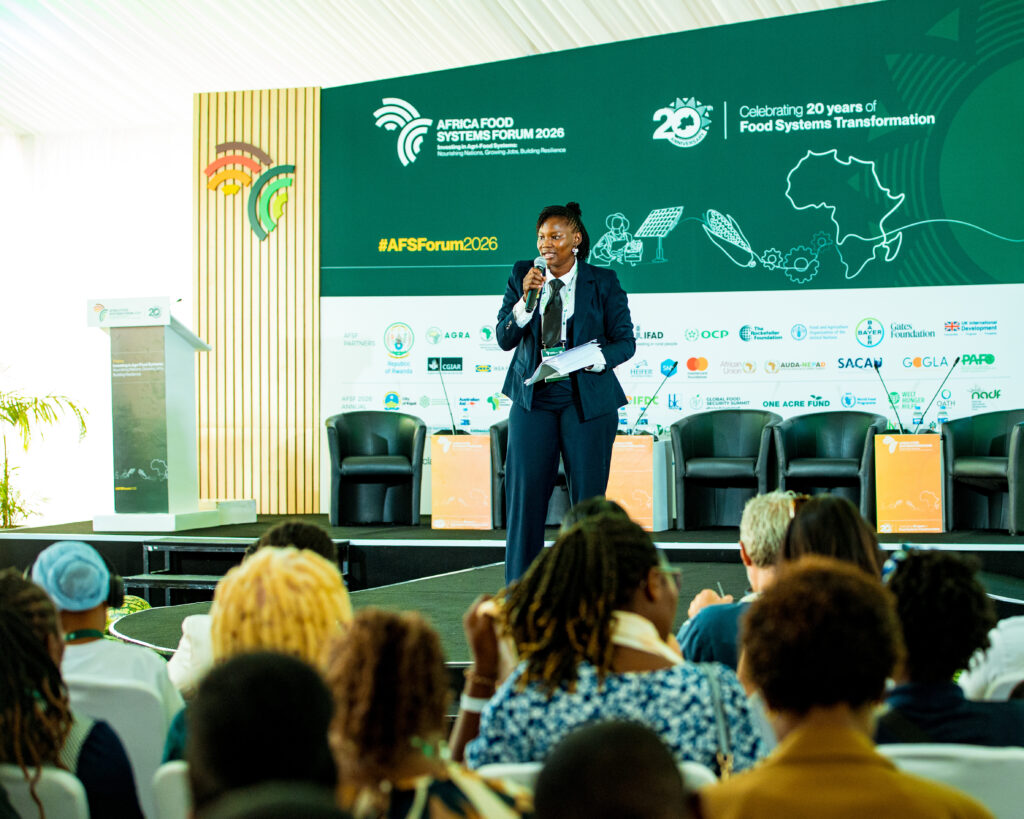
Across Africa, many of the solutions needed to strengthen food security, resilience and livelihoods exist. Yet knowledge only creates impact when it reaches the people and institutions who can use it. The priority now is scaling proven solutions so they can deliver impact where it is needed most. This was the consistent message from the Africa Food Systems Forum 2026.
UK Minister visits CABI to strengthen action against Britain’s most destructive invasive species
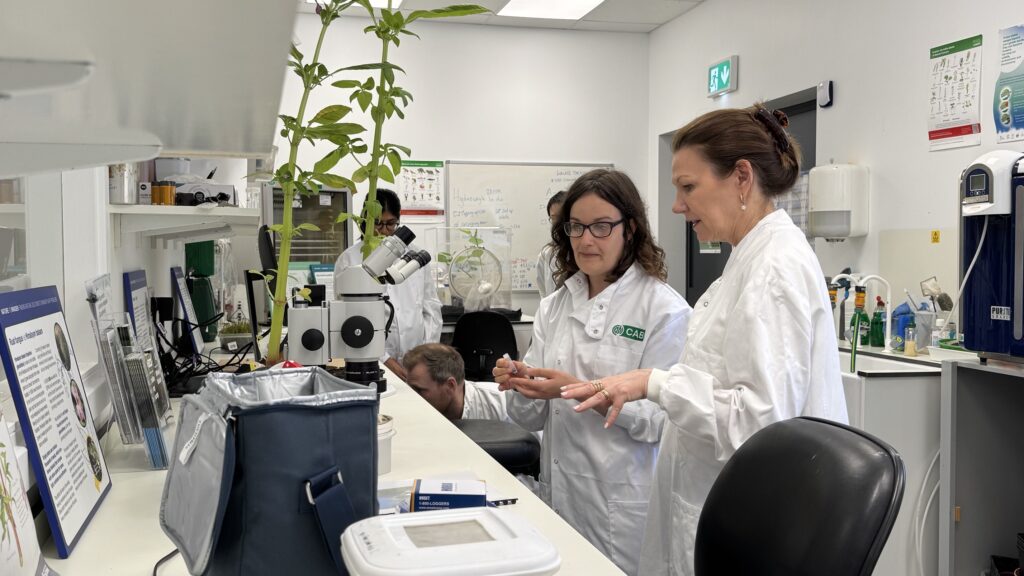
Invasive species are a growing threat to biodiversity, economies, and everyday life in the UK and globally. During Invasive Species Week, a Defra minister’s visit to CABI highlighted the role of science, collaboration, and practical action in tackling their spread and protecting ecosystems, livelihoods, and public wellbeing for the future.
How CABI helped Zambia revive maize seed exports and strengthen plant health systems
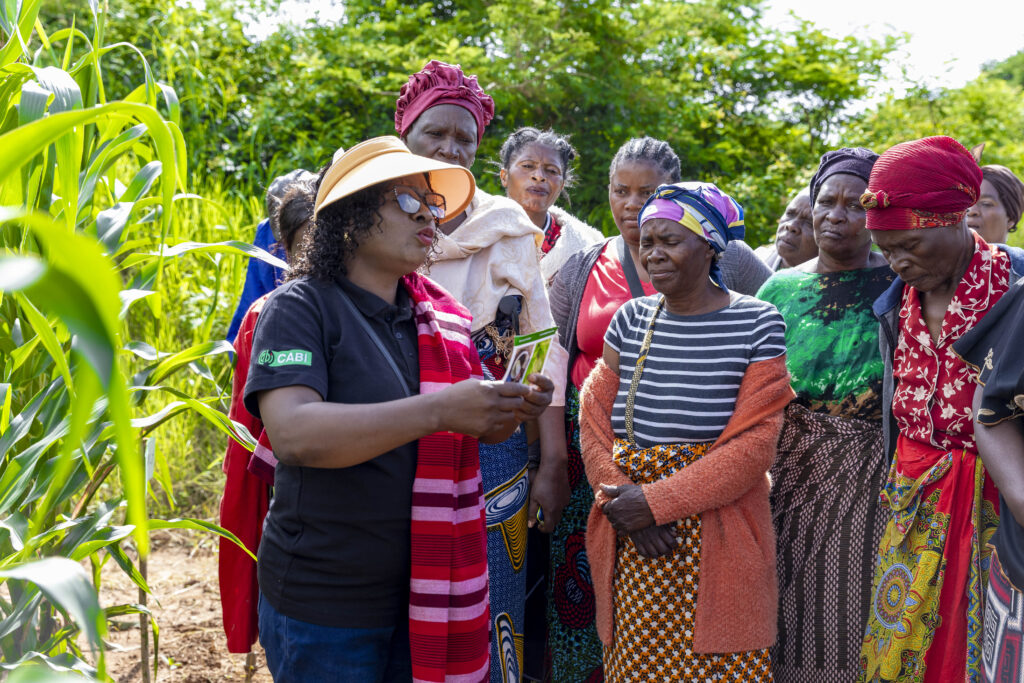
Zambia’s maize seed trade faced crisis in 2020 when shipments were rejected over phytosanitary concerns, risking millions and reputation. With CABI’s rapid scientific support, the country restored trade, strengthened plant health systems, and built resilience. The case highlights how collaboration, evidence, and swift response can safeguard markets and livelihoods sustainably.
Regional knowledge exchange advances pesticide risk reduction in Ethiopia
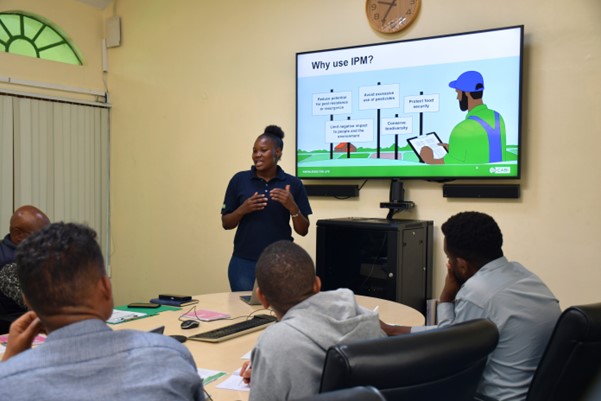
Updated October 2026: this blog has been reviewed and updated to reflect the latest developments. Across Ethiopia, smallholder farmers continue to face growing pressure from pests that threaten horticulture production, incomes, and food security. In response, many rely heavily on chemical pesticides, sometimes as the only available option. How do we shift from short-term pest…
CABI supports Kenya’s Apple Mango entry into the UK market

As shoppers in the United Kingdom prepared for Christmas celebrations in December 2025, a new fruit from Kenya quietly made history. The country shipped its first‑ever consignment of Kenya’s Apple Mango variety to the UK. This landmark achievement demonstrated Kenya’s ability to meet the UK’s stringent market requirements and also highlighted the wider economic opportunities…
Discover Imperial’s master’s on sustainable agriculture, supported by CABI
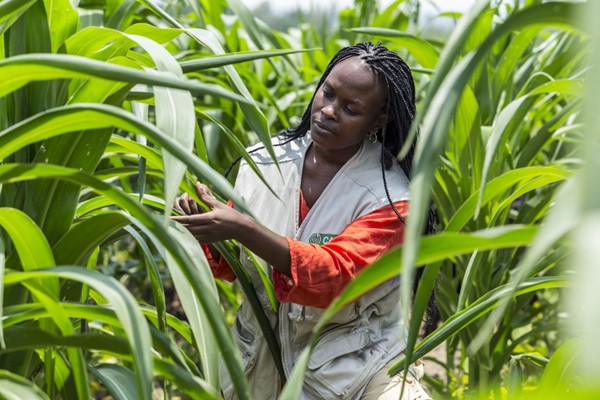
Around 828 million people still face hunger, and 3.1 billion cannot afford a healthy diet. Without transforming how food is produced and consumed, the world risks missing Sustainable Development Goal 2 , ending hunger and promoting sustainable agriculture, by 2030. At the same time, global food demand is projected to increase by up to 70%…
AIRCA members stress value of partnership for global food systems transformation

As global development financing tightens and Official Development Assistance declines, leaders of six major international agricultural research organizations convened under the AIRCA platform to chart a more coordinated and ambitious path – one that strengthens partnerships and delivers practical solutions for farmers, communities, and governments. The two-day strategic meeting, held on 27–28 January 2026 at…
Every kilogram counts: Tackling crop loss in Kenya and Ethiopia with data-driven action
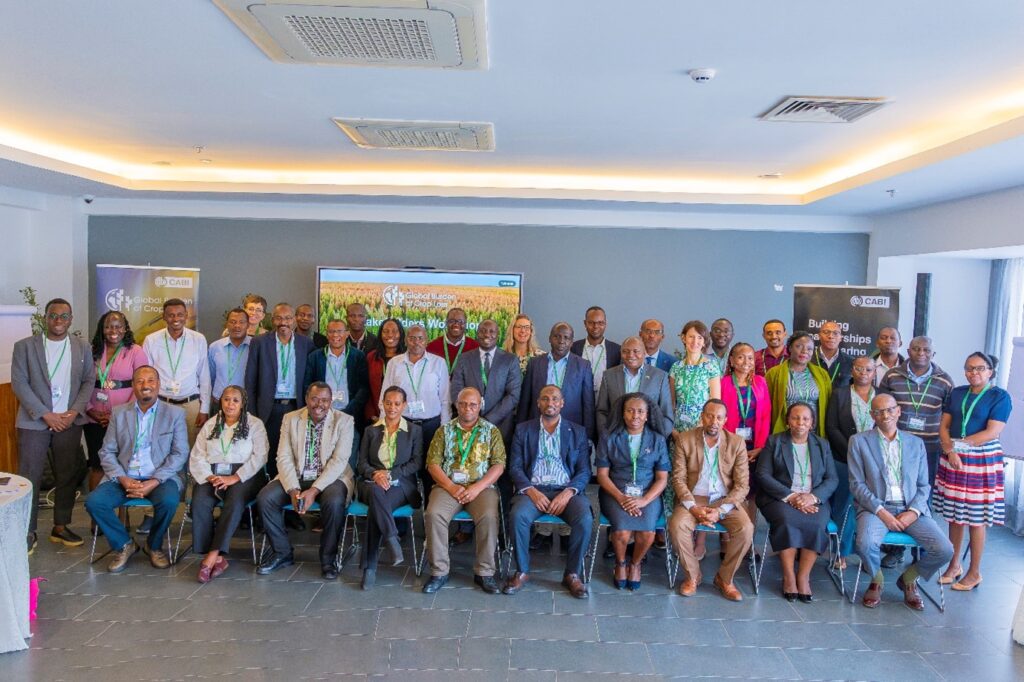
In Kenya and Ethiopia, experts are using data-driven approaches to tackle crop loss in maize and wheat—boosting food security, farmer incomes, and national decision-making through the Global Burden of Crop Loss initiative.